


Houthi Casualties Mount After Fierce West Coast Battles; Bodies Sent to Sanaa, Hodeidah
|
1 hour ago
A-
A+
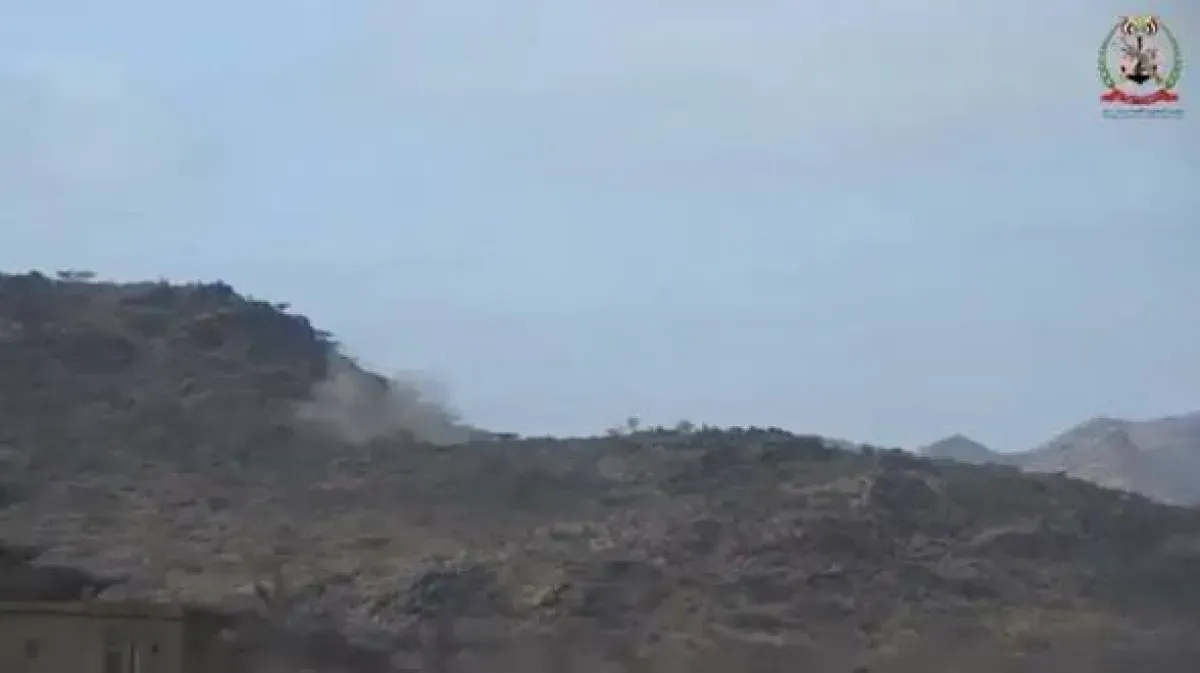
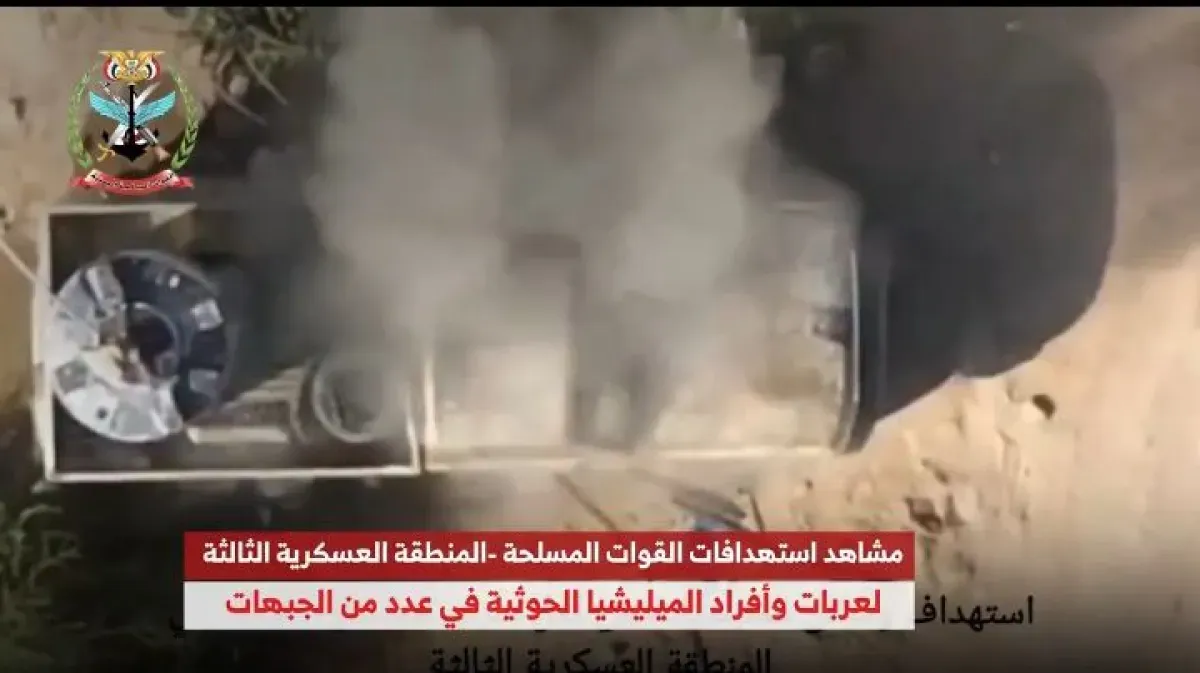
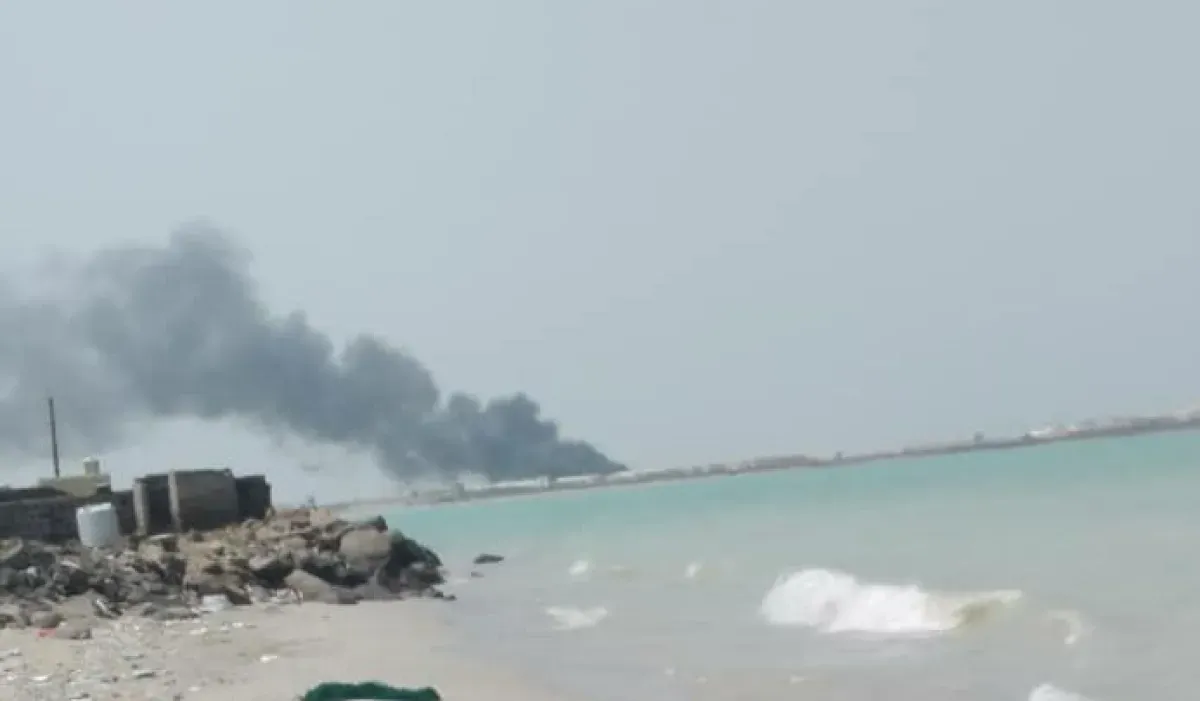
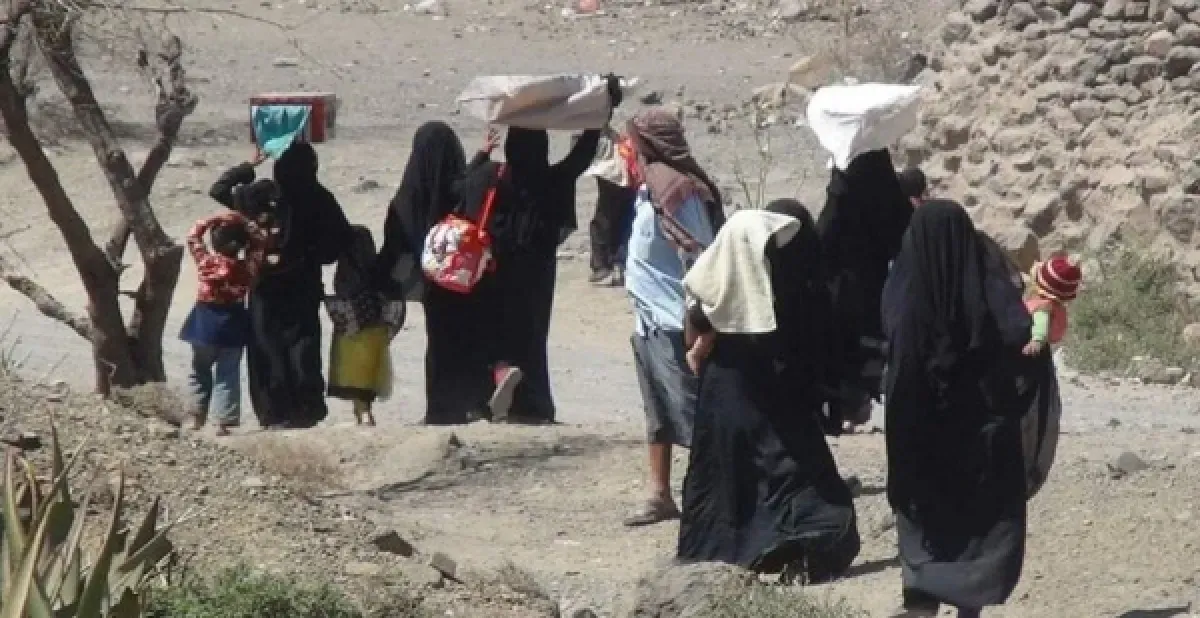
Hospitals in Hodeidah and Sanaa have received dozens of killed and wounded Houthi militants, including field commanders and underage fighters, following intense clashes on the West Coast fronts. Some bodies were reportedly charred, making identification difficult. Medical and local sources reported on Friday evening that hospitals in the Hodeidah and Sanaa governorates received numerous casualties from the Houthi ranks in the preceding hours. The injured, many in critical condition, have placed significant strain on emergency and intensive care units, with a growing demand for blood and medical supplies. In Hodeidah Governorate, medical sources indicated that hospitals in Zebid, Beit Al-Faqih, and Hodeidah city received a large influx of dead and wounded transferred from the battlefronts since Friday morning. The surge in casualties prompted the Houthi militia to mobilize medical personnel and local leaders to donate blood, as hospital reserves dwindled due to the high number of incoming cases. Sources revealed that Zebid and Beit Al-Faqih hospitals exceeded their capacity, with beds and morgues filled. This led to the transfer of wounded and deceased to other facilities in Hodeidah city. The group resorted to using commercial refrigerated containers to temporarily store bodies due to the inability of some health facilities' morgues to accommodate the volume of arrivals. In Hodeidah city, local sources reported that the Houthi militia imposed movement restrictions on civilians within Al-Thawra General Hospital, coinciding with the transfer of bodies to designated temporary storage sites. Meanwhile, medical sources in Sanaa confirmed that the 48th Medical Complex, Military Hospital, Al-Mu'ayyad Hospital, Police Hospital, and Republican Hospital received casualties from the Iran-backed militia, including field leaders involved in the battles in the Taiz and Hodeidah fronts on the Yemeni West Coast over Thursday and Friday. The sources further stated that Al-Kuwait Hospital received 19 bodies. The condition of some bodies sent to Sanaa and Hodeidah was described as charred, complicating identification efforts, which required the assistance of fellow fighters. Military sources indicated that these casualties do not represent the full extent of Houthi losses, with many bodies reportedly remaining scattered in the terrain, a situation documented by the National Resistance's military media showcasing dozens of Houthi bodies. The influx of casualties coincided with escalating fighting along the West Coast fronts in Taiz and Hodeidah governorates. Government and National Resistance forces reported repelling Houthi attempts to breach their lines, inflicting significant losses on the militia. Battles are ongoing, concentrating in several areas of the West Coast, including the Al-Kadha region west of Taiz, where combatants are vying for territorial gains amid the most intense escalation in recent times. The internationally recognized government's air force participated in the operations for the first time on Friday evening, conducting 15 airstrikes targeting Houthi positions, gatherings, and vehicles in the Taiz and Hodeidah fronts. This escalation on the Red Sea coast follows a period of relative calm and occurs concurrently with Iran's threats to close the Strait of Hormuz and its directive to the Houthi militia to advance towards Bab el-Mandeb, a critical international trade route. |