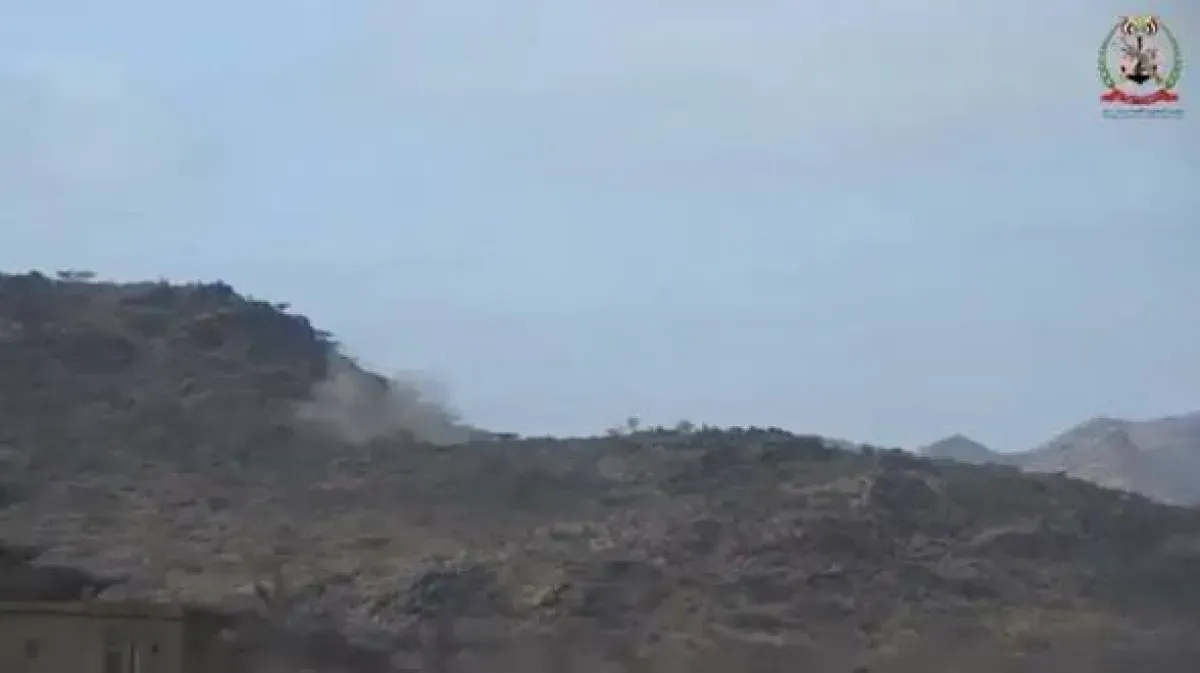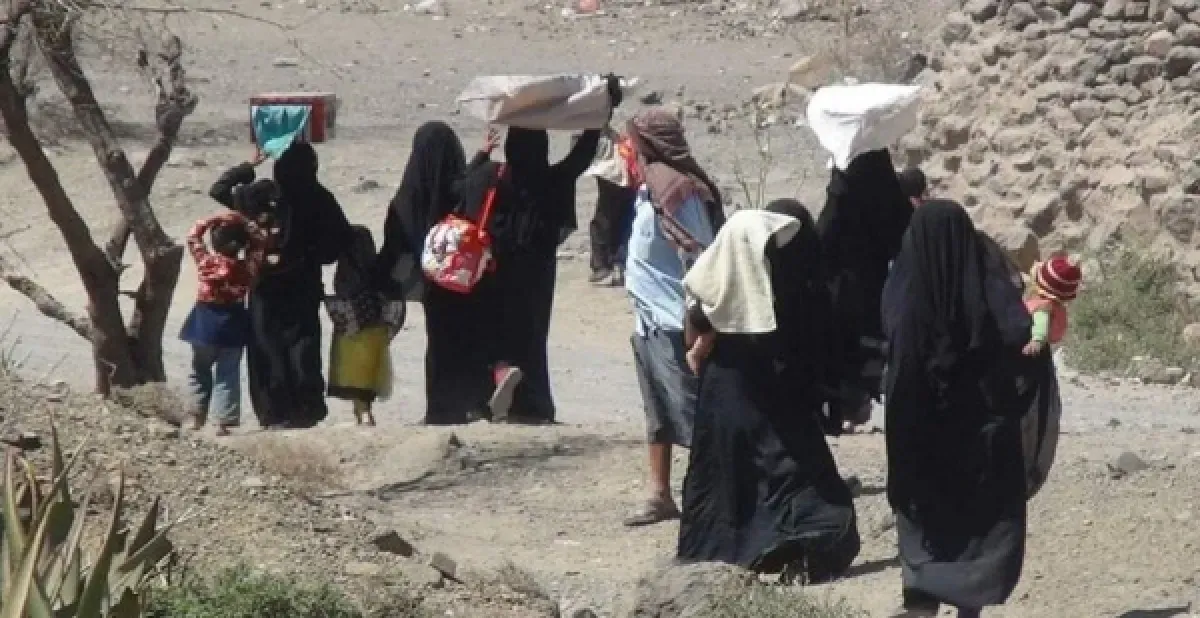




A recent international report warns of severe repercussions from Houthi militia attacks targeting the port of Mokha and commercial vessels in the Bab al-Mandab strait. The assaults have inflicted significant damage on Yemen's trade and markets, threatening to increase food prices and exacerbate the nation's food security crisis. The warning comes from an update issued by the Famine Early Warning Systems Network (FEWS NET) concerning food security projections in Yemen until January 2027. The report includes a separate assessment of the impact of recent military escalations on markets, supply chains, and livelihoods. FEWS NET stated that Houthi attacks on infrastructure and maritime trade routes have disrupted fuel supply chains and market and trade movements. Damage to the port of Mokha temporarily halted its operations, affecting supply and trade in western Yemen. According to the report, the attacks caused substantial damage to the port's key infrastructure, with estimated total losses amounting to approximately $79 million. The incidents resulted in 16 fatalities and 22 injuries, impacting the livelihoods of around 1,500 port workers and thousands of others directly or indirectly dependent on its activities. The network cautioned that continued hostilities during the projected period will lead to further market and livelihood disruptions, imposing upward pressure on the prices of imported food and non-food items, given Yemen's significant reliance on imports for its basic needs. Regarding food security, the report anticipates that emergency conditions, classified as Phase 4 of the Integrated Food Security Phase Classification (IPC), will persist in the governorates of Hodeidah, Hajjah, and Taiz, with pockets of the same phase present in other governorates. Crisis conditions, Phase 3, are expected to prevail in the remaining governorates. The report projects humanitarian needs to peak in September, followed by a limited seasonal improvement with the grain harvest in October. However, widespread food consumption gaps are expected to continue until next January. These persistent pressures are attributed to crop damage, reduced labor demand due to decreased rainfall, limited income-earning opportunities, high food and fuel prices, and ongoing economic deterioration that amplifies the vulnerability of millions of Yemenis to new shocks. |