


Yemen's Republic Dream: Legacy of August 24th Endures Amidst Chaos
|
16 hours ago
A-
A+
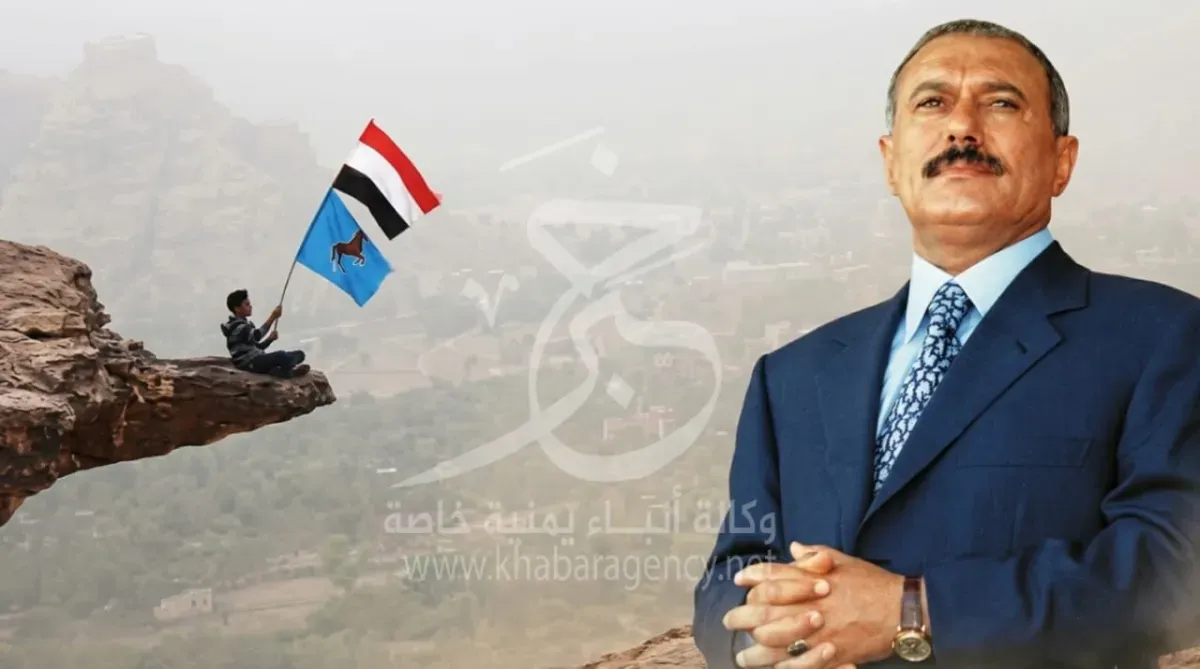
August 24, 1982, marked a pivotal moment in contemporary Yemeni history, signifying the ascendancy of the republic and the establishment of a national consensus under the leadership of President Ali Abdullah Saleh. This date witnessed the transition from narrow loyalties and ideological conflicts to the expansive vision of a state inclusive of all Yemenis. The founding of the General People's Congress was not merely the creation of a ruling party but the genesis of a broad centrist movement and a social contract that unified national visions within the framework of the National Charter. This era fostered a culture where Yemenis could hold differing opinions within the republican structure without undermining its foundations. However, the current landscape, viewed from the ruins of the occupied capital, Sana'a, and subjugated governorates, is laden with poignant questions about the fate of that grand national dream. The height of institutional achievement has tragically fallen victim to betrayal and the destructive forces of chaos. Yemen has historically struggled with fragile statehood, susceptible to the whims of rulers. President Saleh's era introduced a paradigm shift, transforming the state from an abstract concept for elites into an institutional reality integrated into the lives of ordinary citizens. This achievement transcended mere development statistics; it laid the groundwork for a culture of law and order, establishing the constitution as the ultimate reference and the parliament as a forum for debate, not armed conflict. The genius of this period lay in forging a unifying national identity. Tribal members became citizens, soldiers became guardians of the constitution, and intellectuals became partners in decision-making through peaceful transitions and political pluralism unprecedented in the region. The law served as the supreme authority, and order was the lifeline connecting all parts of Yemen to its heart in Sana'a, fostering an environment where stability was a daily reality, not a deferred hope. This robust structure was devastated by a manufactured earthquake in 2011. Under the guise of change, the gates of chaos were opened, allowing foreign ideologies and the ambitions of those seeking state power without understanding its essence to infiltrate. The architects of this chaos, in their haste to dismantle the system, failed to realize they were removing the very pillars supporting the nation's roof. The subsequent conspiracies and plots were not aimed solely at Saleh or his party but at the republican idea itself. The military institution fragmented, the sanctity of law eroded, and the nation became prey to quotas and foreign influence. This conspiracy culminated tragically on September 21, 2014, when Sana'a fell to the Houthi sectarian militia, replacing law with coercion, institutions with supervisors, and the citizen's voice with the lament of prisons. Amidst this bleak scenario, many question whether the republican dream of Yemen has completely collapsed. The answer lies in the silent and overt resistance simmering in the Yemeni street today. The dream and the legacy of August 24th endure, with collective consciousness being its most precious element. The darkness emanating from historical abysses has failed to erase from Yemenis' memory the features of the state they once knew: a state of security, justice, and citizenship. This profound yearning for President Saleh's era is not merely nostalgia but a potent political fuel and an unequivocal rejection of sectarian, lineage-based rule. The republican dream of Yemen remains alive in the resolve of every free and courageous Yemeni soldier and resistance fighter battling on various fronts. It continues to pulse in the testament of December 2017, written by the martyr President in his blood, when he issued his final republican call for a widespread popular uprising to protect the republican system and reclaim the hijacked state. The dream has not died. Nations that have tasted freedom, order, and law for three decades may bend under the storms of conspiracy, but they do not perish. The August 24th charter remains an indispensable roadmap, constantly reminding the free that the path to Sana'a begins with republican cohesion, transcending petty differences, and drawing upon the spirit of the state to break through the darkness of Houthi rule. |