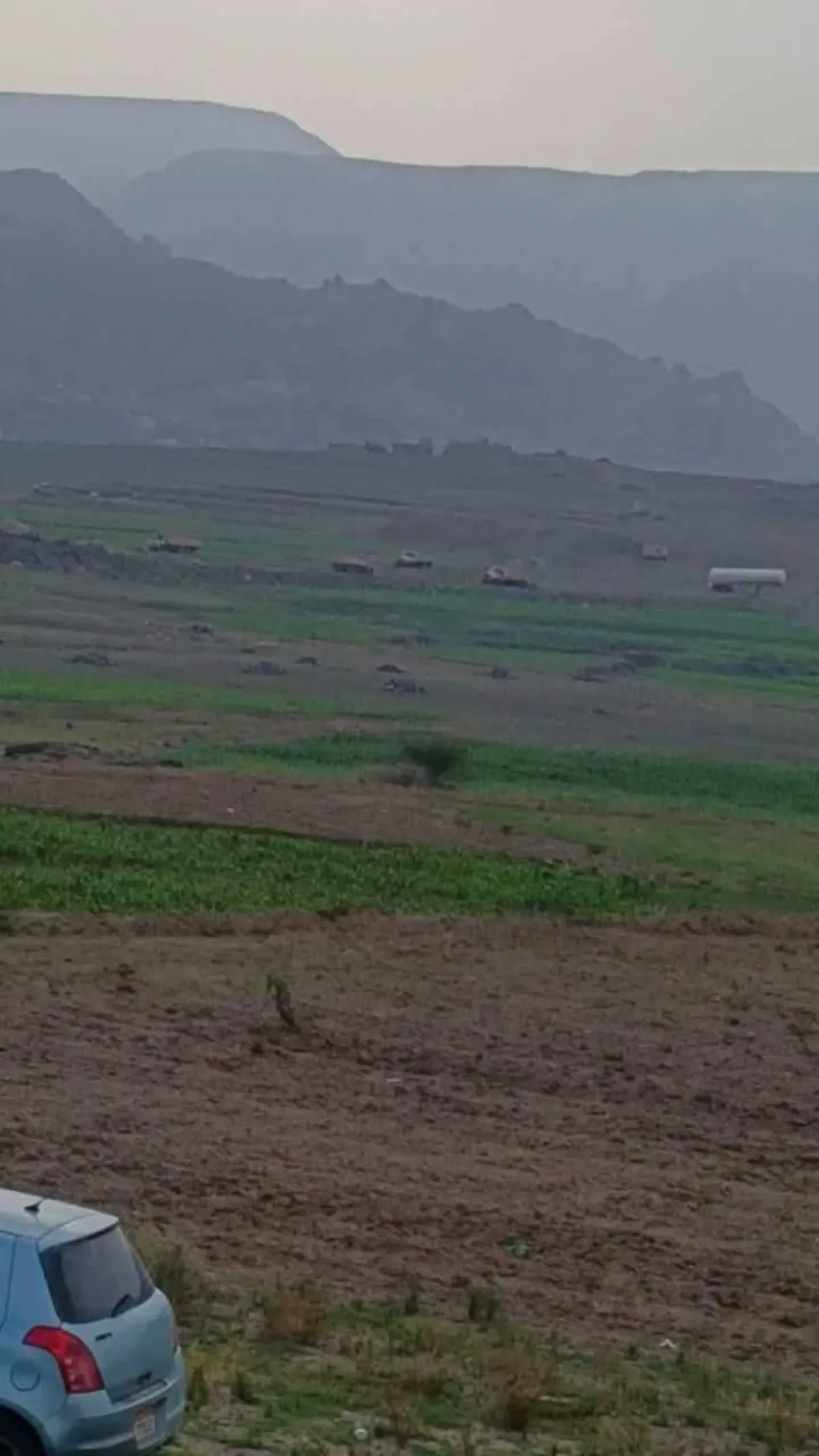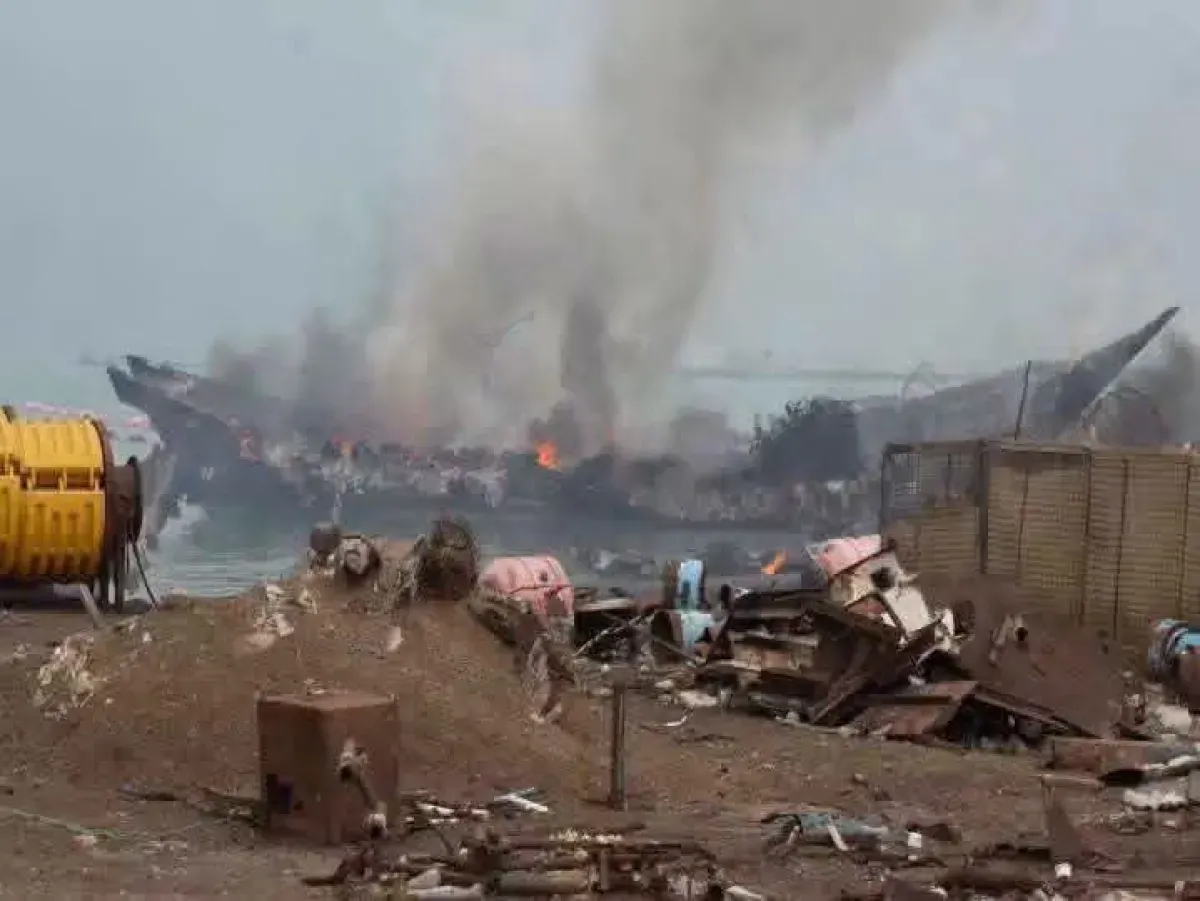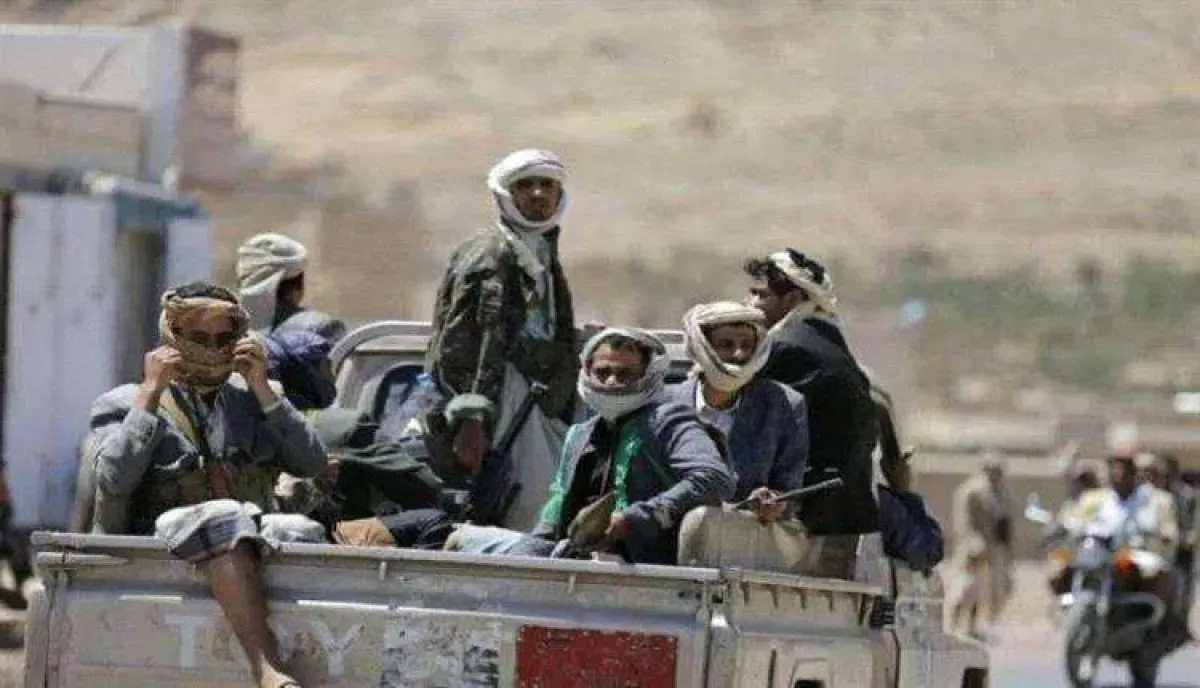



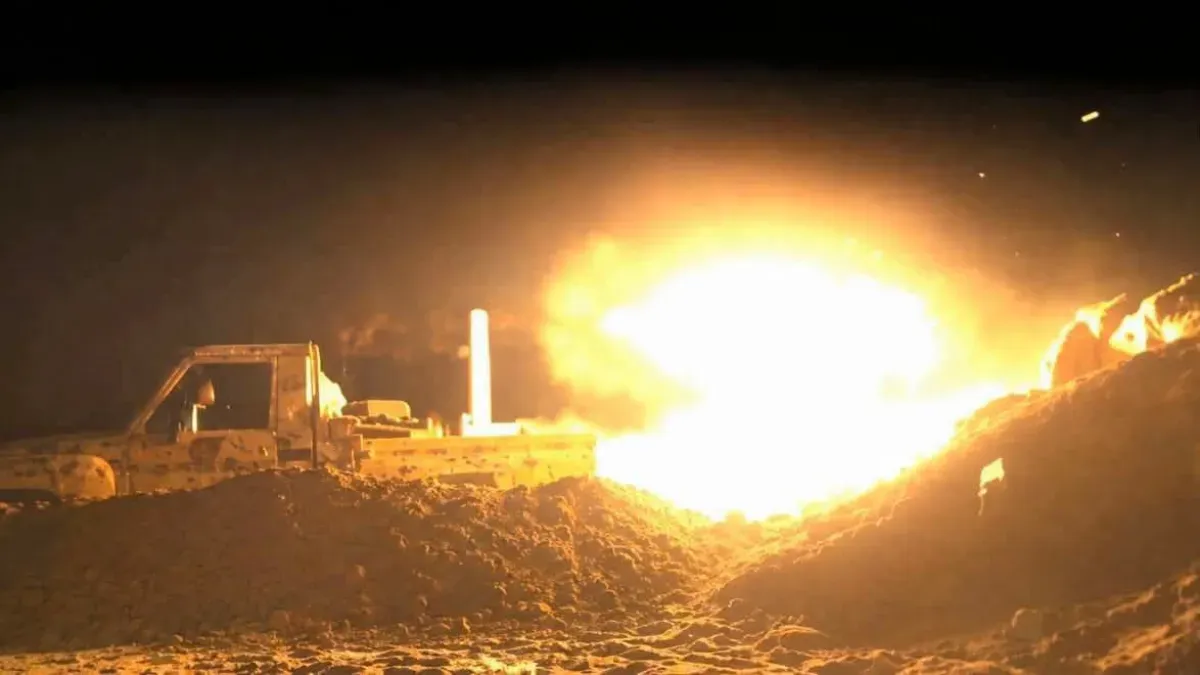
Renewed clashes between Yemeni government forces and Houthi militias on multiple fronts have intensified scrutiny on the western Taiz and West Coast fronts, considered highly sensitive areas amidst ongoing engagements around Al-Barah and Maqbana, coinciding with persistent tension along the West Coast. These developments raise critical questions about the potential for simultaneous pressure on other fronts to hinder Houthi troop redeployments and resource concentration. The Al-Barah area in Maqbana district, western Taiz province, is experiencing renewed confrontations between government and joint forces on one side, and Houthi militias on the other. Recent local reports have detailed battles in mountainous locations, with indications of Houthi losses. Maqbana's strategic geographical position in western Taiz, connecting to routes leading to the West Coast, underscores its significance. Al-Barah, in turn, is a key point in the network of roads and passages linking Taiz to the coast. Controlling positions in Maqbana could significantly alter the dynamics of contact lines and communication between Taiz and West Coast fronts. Observers suggest that prolonged focus on a single front can allow the opposing side to reorganize forces and reinforce positions, particularly in protracted conflicts with multiple contact lines. Therefore, synchronizing operations across several fronts, even without full-scale offensives everywhere, can serve to distribute military pressure and prevent the Houthi militia from concentrating its capabilities. This perspective aligns with recent escalations observed across Yemen, including clashes and reciprocal shelling in Taiz and the West Coast, alongside military developments in Marib, Dhale, and other regions. A significant advance by government forces in Maqbana and Al-Barah could reshape the military landscape in western Taiz, given the area's connectivity to the Jabal Habashi, Shar'ab, and West Coast fronts. However, immediate, sweeping changes are not guaranteed. Success hinges on the forces' ability to consolidate captured positions, secure supply lines, and navigate the challenging terrain, fortifications, and minefields that have historically made Taiz fronts exceptionally complex. The strategic importance of this region extends beyond Taiz, linking to the port of Mocha and vital Red Sea maritime routes, including Bab al-Mandeb, thus giving any military developments here broader regional implications. The fighting in Al-Barah and Maqbana has coincided with Houthi escalations targeting the city and port of Mocha, as well as security incidents involving commercial vessels in Bab al-Mandeb. These events highlight the interconnectedness of ground fronts with the security situation on the coast, especially given Mocha's strategic importance for international trade and navigation. Reports of Houthi strikes on Mocha, countered by government forces intercepting Houthi drones, indicate ongoing tension on the West Coast. The fundamental challenge lies not merely in achieving military gains but in consolidating them into stable, sustainable control. Past experiences in Yemen have shown that advances on one front can lose impact if the opposing side redeploys forces and establishes new defensive lines. This underscores the critical need for coordination among government formations and a unified political-military vision to prevent fronts from operating in isolation. As fighting continues in western Taiz and the West Coast, the key question remains whether current developments will trigger broader movements along other contact lines or remain confined to specific sectors. Recent events suggest a gradual return to escalation across multiple regions, despite UN envoy Hans Grundberg's warnings about the risks of a wider conflict. Ultimately, any significant shift in the balance of power will depend on the government forces' capacity to manage the conflict as a cohesive national theater, rather than a series of disconnected engagements. The evolving situation in Al-Barah and Maqbana now poses the question of whether this front can become part of a larger movement that reshapes the conflict map in Taiz and the West Coast. |