


Yemen: Houthi Attacks Escalate, Testing Government Readiness Amid Regional Tensions
|
2 weeks ago
A-
A+
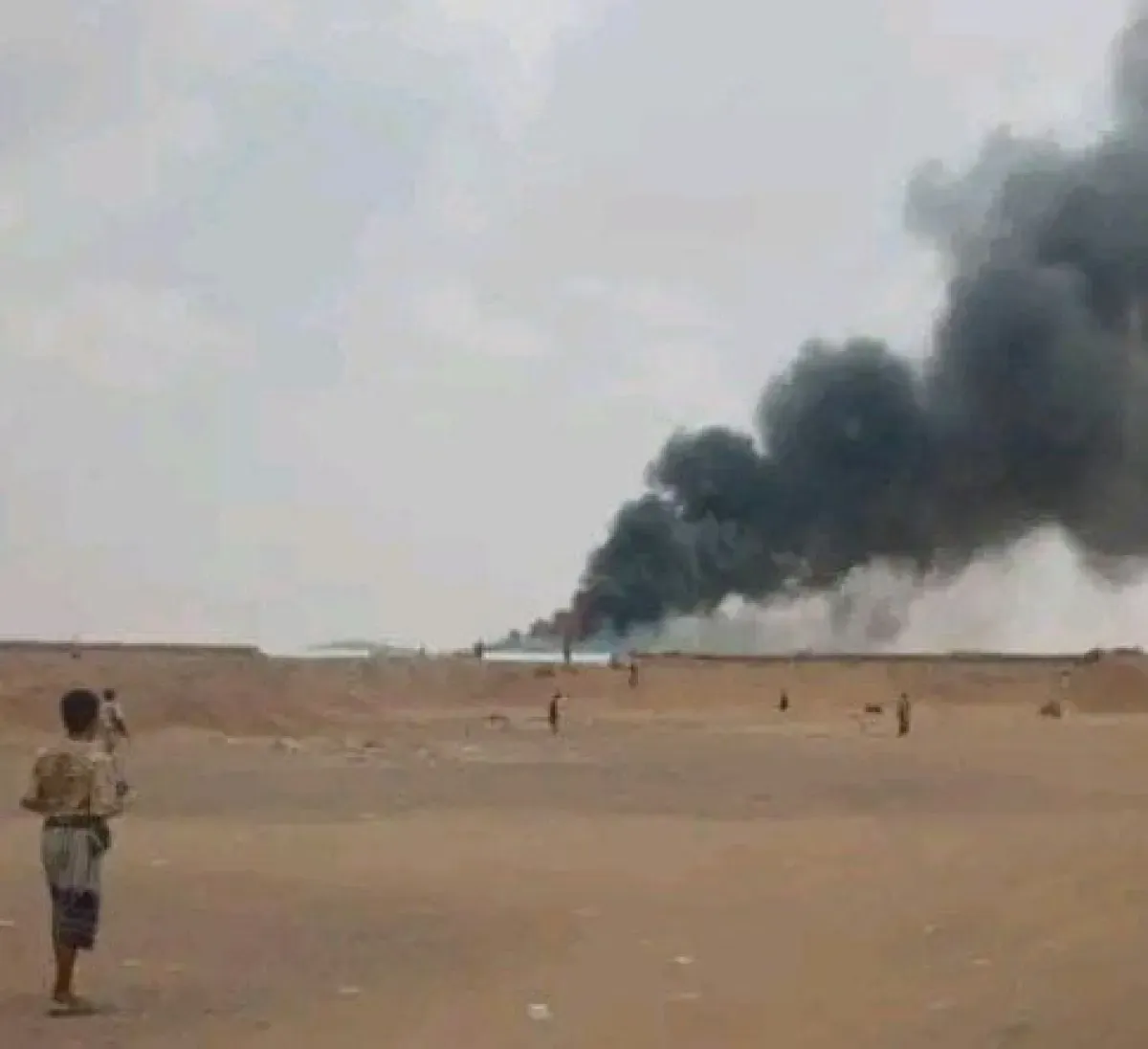
The Houthi militia launched a significant missile and drone attack on Yemeni government military sites in Marib and Hadhramaut governorates, resulting in approximately 80 casualties. This broad escalation has refocused regional attention on the Yemeni conflict, with accusations suggesting the attack is part of Iran's broader strategy to exert military pressure in the region. While the internationally recognized Yemeni government has not yet released an official casualty count, military sources indicated that the assaults on several camps and troop assembly points led to dozens of deaths and injuries among officers and soldiers. Emergency and medical teams in Marib were reportedly mobilized to receive the wounded. The Houthi militia later claimed responsibility for the attack, describing it as a "large-scale military operation" employing numerous ballistic missiles and drones. The group asserted that the strikes targeted military positions in Al-Ruwaik, Al-Abr, and Al-Thunya, as well as camps belonging to the First and Third Emergency Brigades, alleging that hundreds were killed or injured and military equipment and weapon stores were destroyed. The Iran-backed militia also threatened further escalation if subjected to a counter-attack, warning Saudi Arabia and the Yemeni government against retaliation. They urged government forces to abandon their military posts, a move military sources interpreted as an attempt at psychological warfare to complement the physical assault. Yemeni military sources told Al-Khabar News Agency that the Houthi offensive carries implications beyond direct military targeting. They emphasized that the attack aims to establish a new deterrence equation amidst escalating regional tensions. The timing of the operation, they added, suggests a desire by the Houthis to gauge governmental and regional reactions, particularly given the increasing discourse around the potential resumption of military operations against the militia after years of stalemate. This offensive occurs as the Houthis have intensified their maritime operations against commercial vessels in the Red Sea and Gulf of Aden, including recent attacks on Saudi ships, coupled with repeated threats to international navigation. These actions have prompted regional and international bodies to warn of the repercussions of continued escalation on global trade routes. Political sources in Yemen view the Houthi escalation as intrinsically linked to Iran's regional movements, suggesting Tehran is utilizing the group as a leverage tool within its wider conflict with regional and international adversaries. The Yemeni government and several Arab nations have long accused Iran of providing military and technical support to the Houthis, including missiles, drones, and expertise. These sources believe the concurrent Houthi escalation in Yemen and rising tensions around maritime corridors reveal Iran's attempts to employ its regional proxies to open multiple pressure fronts, especially considering the strategic importance of the Strait of Hormuz and the Bab al-Mandab Strait. Special security sources previously informed Al-Khabar News Agency of the arrival of Iranian Revolutionary Guard Corps experts in Hodeidah governorate on a Mahan Air flight on July 13, 2026. This flight also transported Houthi leaders and media personnel returning from attending the funeral of Supreme Leader Ali Khamenei, indicating a continued Iranian role in developing the group's military capabilities. Yemeni political sources told Al-Khabar News Agency that the Houthi militia is exploiting the relative calm and international pressure on the Yemeni government and the Arab coalition to adhere to the de-escalation track initiated in 2022 under UN auspices, despite the government alleging hundreds of Houthi violations during this period. The militia continues recruitment and mobilization in its controlled areas, using rhetoric that links escalation to what it terms "lifting the siege," in an effort to garner popular support for a new confrontation. Saudi Arabia denies imposing a blockade on Houthi-controlled ports and airports. The Saudi Ministry of Foreign Affairs stated in late July that ports in Hodeidah, Salif, and Ras Isa received hundreds of vessels carrying food, fuel, and goods in the first half of 2026. They emphasized that imposed measures are related to preventing arms smuggling, in accordance with UN Security Council resolutions, including Resolution 2216. Military experts consider the recent attack one of the most significant Houthi military escalations in recent times, posing a new test for Yemeni peace efforts amid concerns of a shift from limited operations to a broader wave of fighting. While the Yemeni government has not yet released casualty figures, the Ministry of Defense confirmed in a statement that the armed forces will respond to this aggression at the appropriate time and place. The ministry asserted that this treacherous attack will not diminish the resolve of its members or affect their ability to perform their national duties, but rather will strengthen their steadfastness, cohesion, and determination to defend the republic, restore the state, and end the coup. Experts pointed out that continued Houthi strikes within Yemeni territory and against regional navigation could compel local and international parties to reassess the fragile de-escalation process. |