



Yemeni Officers Complain of Chaos During Biometric Registration in Aden
|
2 weeks ago
A-
A+
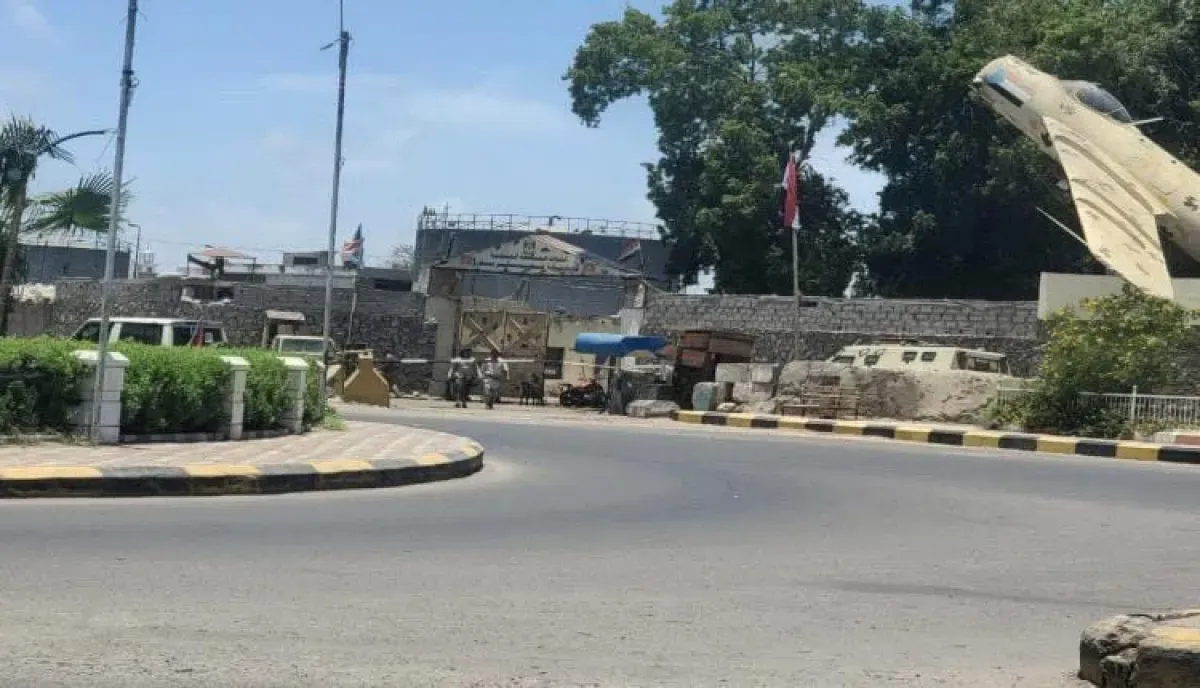
Dozens of officers and personnel affiliated with the Yemeni government's Ministry of Defense have reported significant organizational chaos and logistical failures during the biometric registration process at Badr Camp in the temporary capital, Aden. They highlighted overcrowding and poor management as key factors hindering their transactions and leading to instances of fainting, particularly among elderly individuals. Sources from the Ministry of Defense informed the news agency that hundreds of individuals have been arriving daily since dawn at the camp, designated for updating personal data and capturing fingerprint and iris scans. This initiative is part of a broader campaign by the Ministry of Defense to cleanse salary rosters, identify dual employment, and eliminate ineligible recipients. Officers and personnel described the absence of a clear queuing system, forcing them to wait for extended periods under intense sun, with temperatures exceeding 35 degrees Celsius. Over the past three days, approximately five cases of fainting and dizziness were reported, primarily affecting senior officers. Several officers stated they had completed the necessary data forms days ago but had been unable to reach the biometric registration committee due to the overwhelming crowds and disorganization. Others, who had traveled from distant provinces, were compelled to leave Aden without completing the process, having exhausted their time and incurring significant costs for accommodation and travel. The officers accused influential figures within the ministry of deliberately prolonging the procedures and obstructing their implementation, warning that this undermines the Ministry of Defense's efforts to unify military formations and address the issue of rampant dual employment that has escalated since the conflict began. These complaints coincide with statements from the Minister of Defense, Lieutenant General Thabet Al-Aqili, who acknowledged the existence of obstacles impeding financial and administrative reforms within the ministry. He attributed the delay in salary payments for April to the pending completion of daily attendance records required for implementing systematic deductions, noting that some unit commanders have refused to comply with new directives, attempting to disrupt the implementation of the smart card salary payment system designed to deliver entitlements directly to service members and curb irregularities. According to military sources, the biometric and smart card system is integral to a government plan to restructure the salary system and eradicate dual employment. Official estimates indicate tens of thousands of individuals hold multiple positions within the military and security institutions, in addition to names illegally added to salary rosters during the war years. |