


Iran Reshaping Hormuz Strait Navigation Amid Regional Tensions
|
3 hours ago
A-
A+
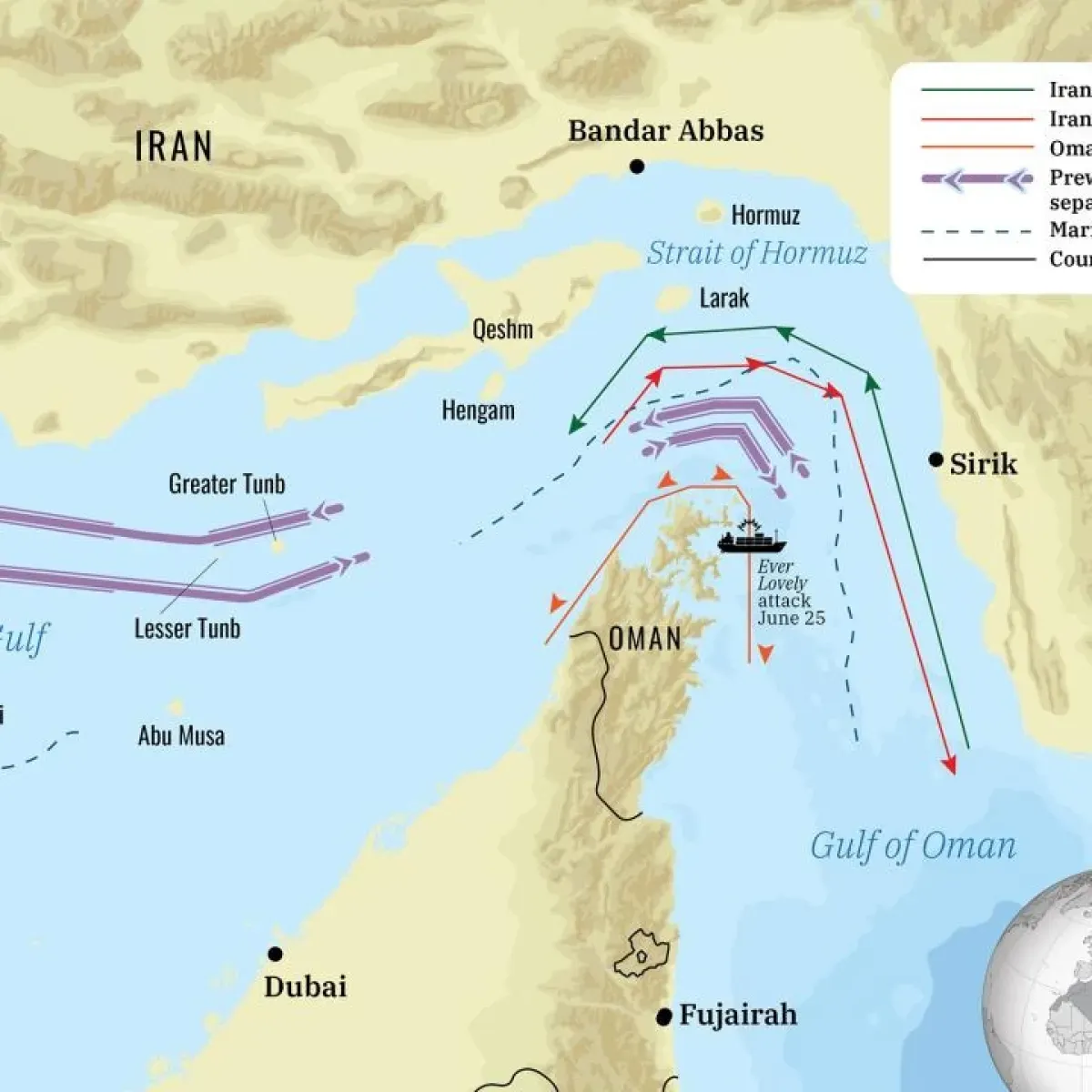
A recent analytical report by the Washington Institute for Near East Policy suggests that Iran is establishing a new maritime reality in the Strait of Hormuz, leveraging recent military confrontations with the United States to solidify its naval influence. Tehran appears unwilling to revert to the pre-conflict navigation order, even if diplomatic progress is achieved. The report, authored by researcher Naoom Raidan, posits that the continued transit through narrow routes, escalating Iranian warnings, threats of naval mines, and a recent drone attack on a commercial vessel indicate Tehran's concerted effort to cement new maritime arrangements. These arrangements aim to grant Iran greater leverage in one of the world's most critical strategic waterways. Despite a gradual increase in commercial vessel traffic through the Strait following a June 17 US-Iran understanding to de-escalate, the report highlights that navigation has not returned to normal. Vessel numbers remain significantly below pre-conflict levels, and transit continues to be hampered by persistent security threats, notably the risks associated with naval mines and Iranian pressure on commercial shipping. The report details that ships began utilizing two alternative routes after the military operations subsided: one along the Omani coast and another through Iranian waters. However, a recent attack on the container ship "Ever Lovely" while it was on the Omani route, coupled with Iranian warnings against using any routes not sanctioned by Tehran, demonstrates that even the Omani route is not immune to risks. The International Maritime Organization (IMO) subsequently suspended its evacuation plan, and the crude oil tanker "Omega Trader" canceled its transit, underscoring the continued fragility of the security situation. While the US and Gulf Cooperation Council countries issued a joint statement emphasizing the importance of freedom of navigation, the report argues that ground developments reflect the collapse of the traditional navigation system and the emergence of new arrangements that Iran is seeking to impose as the dominant player in managing maritime traffic. The central question, according to the report, is no longer about Iran returning to the previous status quo, but rather how decision-makers will address the justifications Tehran will present to secure its pivotal role in the new maritime order and the obstacles it may erect against alternative arrangements. Commercial vessels are now avoiding the Traffic Separation Scheme (TSS) proposed decades ago by Iran and Oman, due to suspected naval mines in the traditional Strait route. Estimates suggest approximately 80 naval mines remain in the Strait, a significant number that will require extensive time to clear. The ongoing ambiguity surrounding these mines will likely compel vessels to continue using the northern route through Iranian waters, which Iran's sanctioned Gulf Navigation Authority has declared the "new safe navigation route," and the southern route along the Omani coast. The report cautions that these alternative routes cannot accommodate the pre-war traffic volume, which averaged around 138 vessels daily. Shipping companies are unlikely to return to traditional routes until all mines are cleared, especially given the environmental and economic risks of oil tankers colliding with mines. The report also points to the possibility of further navigation disruptions, citing recent instances where the Iranian Revolutionary Guard Corps (IRGC) has escalated threats, even to vessels transiting Iranian-sanctioned routes. This behavior reinforces the likelihood of continued Iranian assertiveness, particularly as reverting to the previous navigation system proves difficult. The report concludes that Iran has recognized the strategic value of controlling navigation in the Strait of Hormuz. This understanding suggests that Tehran will likely continue to leverage this control in future negotiations with Washington to solidify the new navigation order it has imposed. Countering this strategy, the report argues, requires more than political statements, urging the US and its regional partners to adopt new policies and measures to prevent Iran from monopolizing the imposition of navigation rules. Providing clear safety and security guidelines for mariners is identified as a priority, as fears of retaliatory actions by the IRGC for non-compliance are becoming a reality. Acknowledging the collapse of the previous navigation system is deemed the first step toward resolving the crisis. The report advocates for non-military tools to address current challenges, warning that any new military confrontation in the Strait would exacerbate the crisis. It stresses the importance of establishing clear communication channels with vessels using the Omani route, including necessary instructions for dealing with Iranian warnings or attacks, as vessel crews are not inherently equipped to operate in an armed conflict environment. Publicly announcing mine locations and establishing a clear timeline for their removal should be an urgent priority, as continued ambiguity delays the restoration of normal navigation and allows Iran to consolidate its preferred maritime order. The report also notes Oman's proposal, echoed by Iran, to levy future fees for pollution control and assistance services, raising US concerns about this potentially setting a precedent for other international waterways. Finally, the report emphasizes that to avoid prolonged disruptions after the current 60-day negotiation period, any imposed fees should be temporary, limited to situations where vessels request assistance or in cases of pollution incidents, and should be rescinded once traditional navigation in the Strait of Hormuz is restored. |