


Yemen's Legitimate Government Faces Popular Trust Crisis Amidst International Recognition
|
6 hours ago
A-
A+
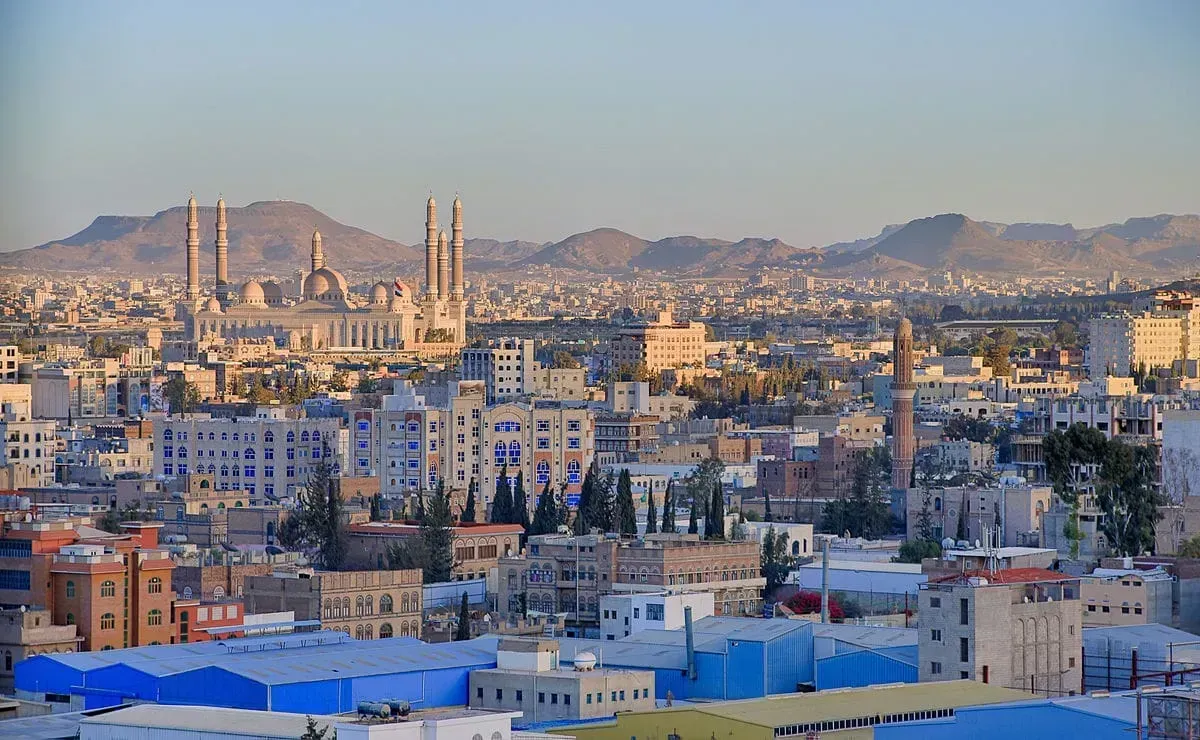
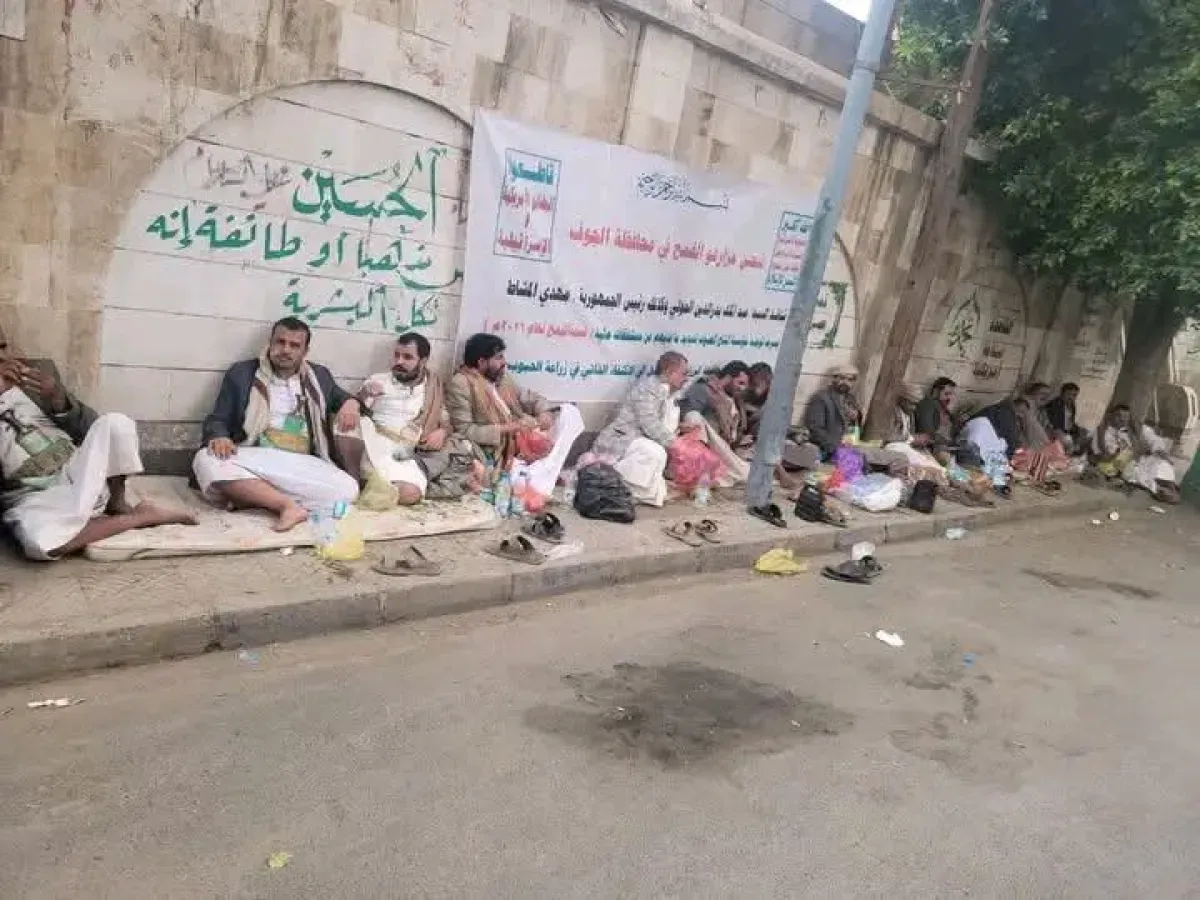
Despite enjoying full international legal recognition and holding Yemen's seat at the United Nations, the internationally recognized Yemeni government is grappling with an unprecedented crisis of popular trust within the territories it controls. This disconnect highlights a complex paradox in the Yemeni landscape, where external legitimacy is insufficient to secure local acceptance. Yemeni citizens perceive true legitimacy as stemming from the ability to govern effectively, provide a decent livelihood, and deliver essential services—areas where successive administrations have faltered throughout years of conflict and instability. The economic sphere has become a critical factor eroding public confidence. The Yemeni Riyal in government-controlled areas has experienced a historic depreciation, leading to a sharp increase in the prices of food and basic necessities, pushing them beyond the purchasing power of the majority of citizens living below the poverty line. Recent World Bank reports indicate a continued contraction of Yemen's GDP, with growth rates expected to remain at zero or negative levels due to the cessation of sovereign exports and a decline in international humanitarian aid. Meanwhile, the economic committee and the Central Bank in Aden appear incapable of implementing effective monetary solutions to curb currency speculation, resorting instead to condemnatory statements or relying on temporary regional foreign deposits that fail to address the structural roots of the crisis. The grim reality for Yemenis is compounded by the dire state of services even in areas the government designates as liberated or restored. The interim capital, Aden, and neighboring governorates such as Taiz, Lahj, Hadhramaut, and Marib suffer from near-total electricity outages, particularly during the sweltering summer months, not to mention recurring water crises and deteriorating sewage and health infrastructure. Alongside the service crisis, the issue of salaries remains a significant concern, with public sector employees and retirees receiving intermittent and irregular payments. In a country where millions depend on government wages as their sole source of income, delayed salaries and their erosion by inflation have fueled widespread public discontent and protests against the government. A significant contributor to public anger is the persistent absence of most political leaders and government officials, including ministers, undersecretaries, and members of parliament, who reside permanently or semi-permanently outside the country. Yemenis derisively refer to this administration as the "hotel legitimacy" or "external legitimacy." Citizens enduring insecurity and crippling economic crises perceive a complete disconnect between their suffering and the well-being of officials residing in regional and international capitals. This physical absence has diminished the government's authority, making it appear as though it manages the country's affairs through social media platforms and press releases, lacking genuine engagement with the reality on the ground or direct oversight of security and administrative deficiencies. The formation of the Presidential Leadership Council initially offered hope for ending fragmentation and unifying anti-Houthi forces. However, over time, the council has become a venue for power struggles and conflicting political and military agendas. The constituent components of the council possess multiple military formations with varying loyalties, not strictly subordinate to the Ministry of Defense or Interior. This political divergence and silent conflict among partners have paralyzed the state's ability to make decisive or unified decisions. Instead of focusing on economic improvement or military victory, energies have been depleted in the allocation of public positions and diplomatic appointments, deepening the public's conviction that the authority lacks a cohesive national project, but rather pursues conflicting factional interests. The government's declining performance cannot be isolated from the systematic military attacks launched by the Houthi militia on oil export ports in Hadhramaut and Shabwa using drones. These attacks led to a complete halt in crude oil exports, which constituted over 70% of the state's general budget revenues and the primary source of hard currency. This Houthi blockade of resources has financially strangled the government and isolated it from its self-funding sources. Nevertheless, experts observe that the government's response has been weak and diplomatic, failing to take decisive alternative steps to optimally exploit other resources such as customs and taxes, or to combat pervasive corruption within its ranks to reduce large expenditures. Consequently, the justification of "oil stoppage" is deemed insufficient by citizens to absolve the government of responsibility. Yemenis now understand that international recognition of their government is a "legal and protocolary" acknowledgment dictated by UN resolutions, such as Resolution 2216, and the major powers' interests in maintaining a minimum level of legitimate order. However, this recognition does not translate into direct and sustainable economic support that positively impacts the lives of ordinary citizens. The international community primarily addresses the Yemeni file as a humanitarian crisis requiring relief, rather than supporting the stability of state institutions and the Central Bank to enable market control. As a result, citizens perceive this international recognition as a mere facade that government officials exploit for diplomatic privileges, while the populace is left to confront its fate in a country experiencing one of the most severe humanitarian crises in the contemporary world. |