


Yemen: Houthi Crackdown Expands Definition of Begging to Increase Revenue
|
14 hours ago
A-
A+
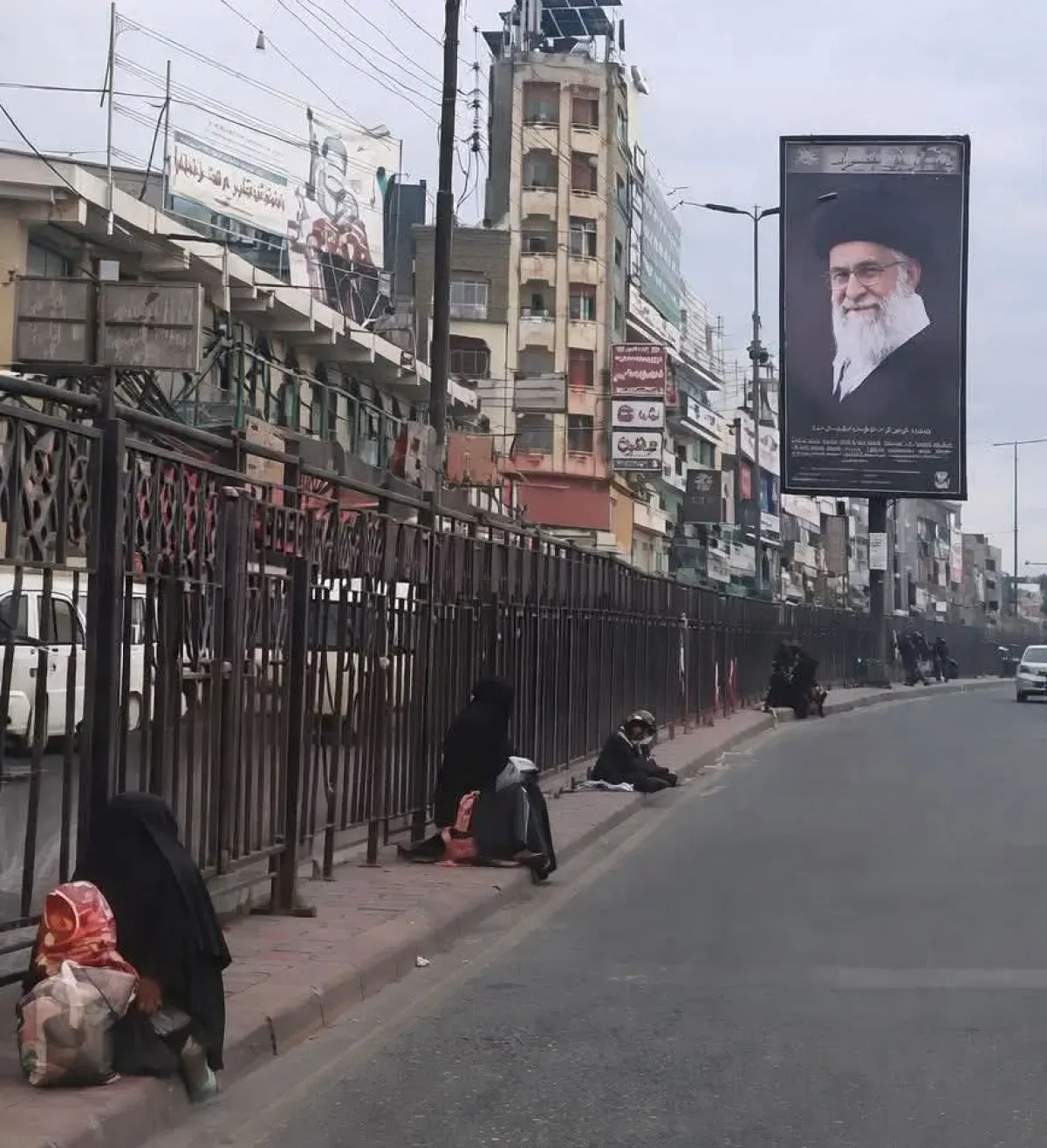
The Houthi militia in Yemen has intensified its crackdown on beggars and informal workers in areas under its control, expanding the definition of begging to include activities such as cleaning car windows and selling small items. This campaign, which involves detentions and hefty fines, is viewed by observers as a means to generate revenue amidst a severe economic collapse and widespread poverty. The militia justifies these actions as an effort to combat begging, but critics argue that this approach is contradictory given the unprecedented economic hardship that has forced thousands of families to seek any means of survival. Meanwhile, the Houthi administration reportedly spends on activities such as erecting large billboards honoring Iranian and Hezbollah leaders in various cities. The crackdown occurs at a time when Yemen faces one of the world's worst humanitarian crises. International organizations, including the World Bank and the UN, report that a significant majority of the Yemeni population lives below the poverty line and requires humanitarian assistance. Projections indicate that millions will face acute food insecurity, with some regions potentially reaching catastrophic levels of famine. The Houthi militia's leader, Abdul-Malik al-Houthi, has described begging as a "deplorable profession." However, critics suggest the campaign serves political and security objectives, diverting attention from the worsening economic situation and the government's failure to address salary payments and economic decline. International organizations have called for urgent action to alleviate the deteriorating humanitarian situation and urged the Houthis to create a safe environment for humanitarian work. Local sources indicate that the militia has issued new directives classifying activities like selling tissues, toothpicks, and other small goods, as well as cleaning car windows, as acts of begging subject to prosecution and penalties. These measures raise concerns about the targeting of a broad segment of the informal economy workers who rely on these activities for their basic needs. The campaign also includes significant financial penalties, ranging from 150,000 to 300,000 Yemeni Rials, and in some cases up to one million Rials. These fines are imposed despite the country's severe economic collapse and low per capita income. Activists argue that these penalties place an additional burden on the poorest segments of society, effectively acting as taxes on informal workers and low-income individuals. Reports also suggest that some beggars were previously compelled to pay a portion of their daily earnings to be allowed to work, raising questions about the true objectives of the current campaign. Amidst escalating poverty, dwindling humanitarian aid, and a persistent economic crisis, the Houthi militia's anti-begging campaigns are highly controversial. Observers contend that addressing the phenomenon requires tackling its root economic and social causes, rather than relying solely on security pursuits and financial penalties that may exacerbate the suffering of the most vulnerable populations. |