


Aden and Liberated Provinces Face Economic Collapse, Security Chaos
|
4 hours ago
A-
A+

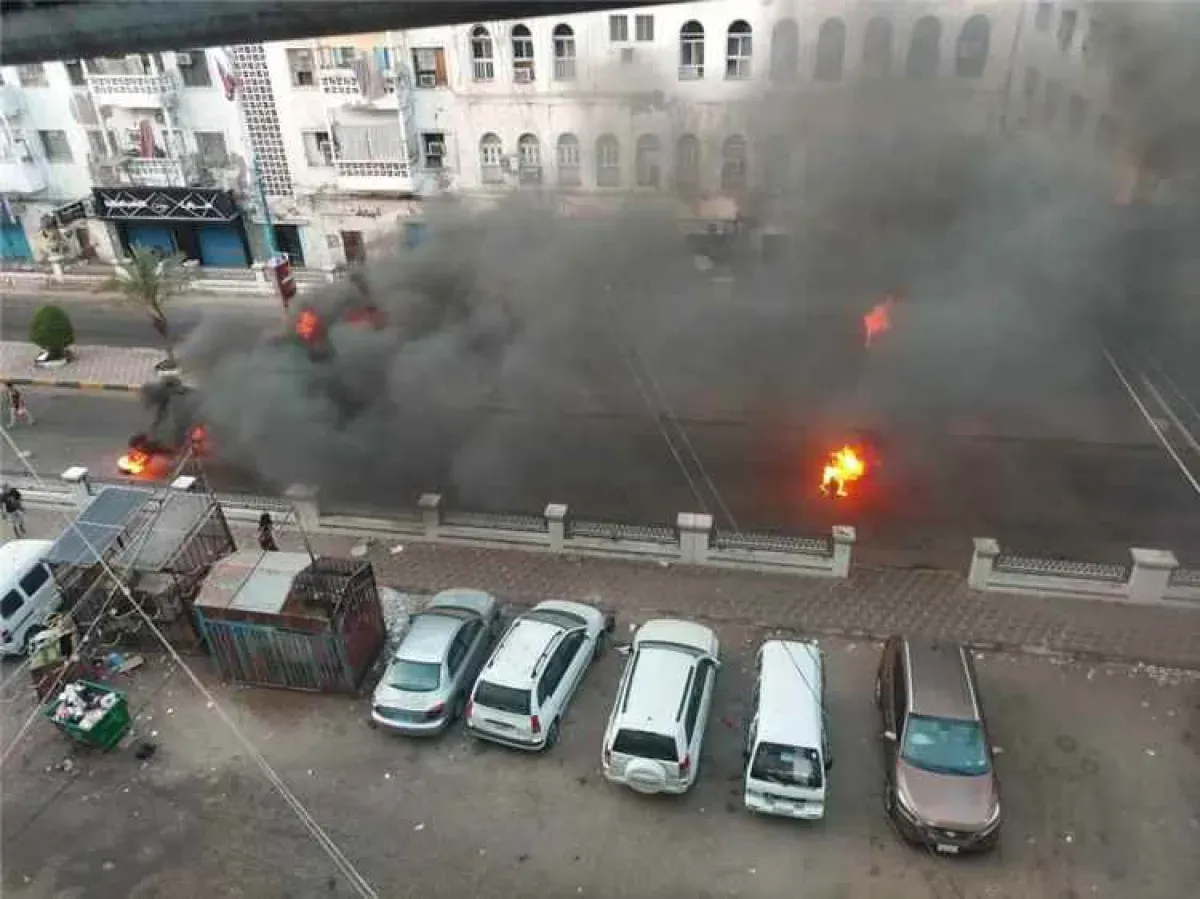
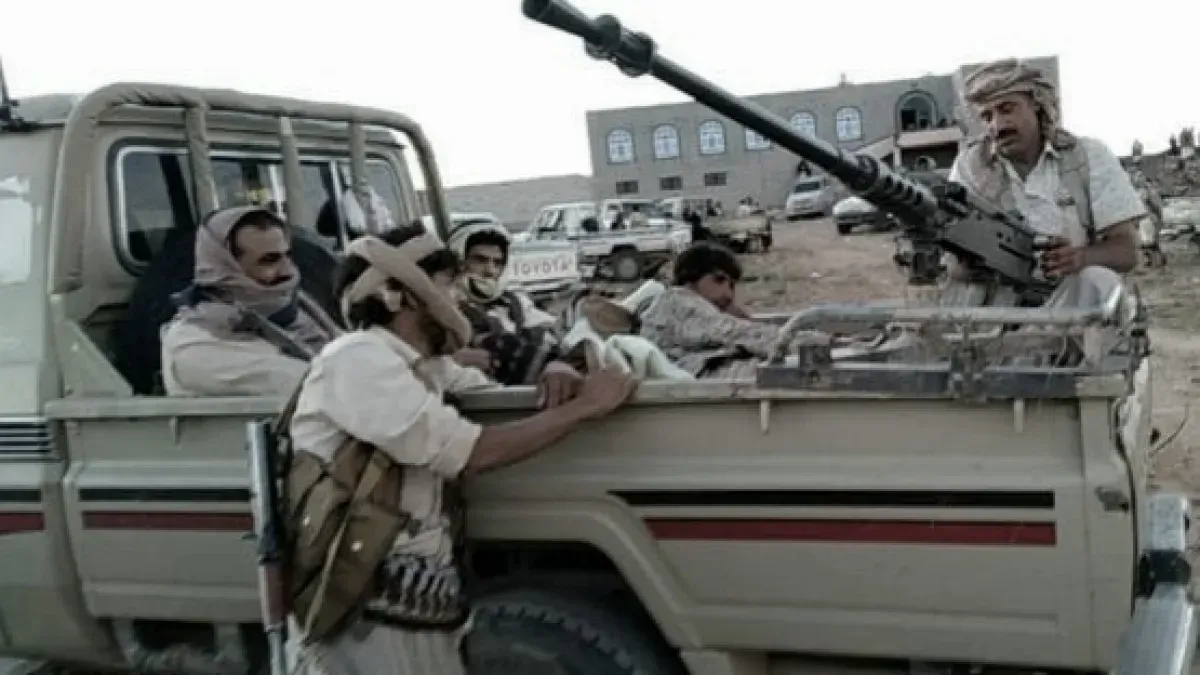
The interim capital of Aden and other liberated Yemeni provinces are enduring a new phase of humanitarian and living conditions that have surpassed all tolerance. Amidst this, popular and political questions are mounting regarding the role of the internationally recognized legitimate government, which the public now holds directly responsible for this accelerating deterioration. These regions are witnessing an unprecedented decline in public services, rampant insecurity, and a surge in crime rates that threaten social stability, all against a backdrop of government inaction and a complete absence of radical solutions. The crisis in public services in Aden and surrounding provinces has transcended mere complaint to become a matter of public opinion, linked to the fundamental right to life. The electricity sector is at the forefront of this collapse, with residents experiencing prolonged power outages often exceeding ten hours, contrasted with only two hours of supply. This occurs amidst stifling summer conditions where temperatures soar above 48 degrees Celsius, rendering homes uninhabitable and exacerbating the suffering of patients in hospitals, the elderly, and children due to the lack of cooling and potable water. The Yemeni government, through its Ministry of Electricity and affiliated institutions, appears incapable of securing fuel for power generation stations. It relies heavily on temporary fixes, postponed promises, and regional grants that quickly deplete without sustainable solutions. The crisis extends beyond energy to water, environmental, and health sectors, with deteriorating pumping networks and sewage inundation in residential areas leading to the spread of epidemics and fatal diseases. This is compounded by a severe decline in medical services at government hospitals, which lack basic medical supplies and life-saving medications. The persistence of these crises highlights the government's failure in managing services and its apparent abandonment of its constitutional and legal duties towards citizens who fund the state treasury through taxes without receiving minimal rights. In terms of security, Aden and the liberated provinces are experiencing chaos and unrest due to the absence of a unified security strategy and the multiplicity of military allegiances within single cities. Despite repeated announcements of plans for military repositioning and the removal of camps from cities, the reality on the ground indicates continued division and overlapping jurisdictions among various security agencies that have not been truly integrated under a unified command reporting to the Ministry of Interior. This institutional fragmentation has weakened judicial oversight and control over the proliferation of illicit arms, which are openly bought and sold and carried by civilians and military personnel without accountability. The manifestations of this insecurity include violent armed clashes that erupt periodically in densely populated residential areas, often stemming from land disputes or personal rivalries between security and military leaders, resulting in the deaths of innocent civilians. The Yemeni government's inability to enforce state authority and unify security decisions under the official legal framework has turned liberated cities into open arenas for settling political and personal scores, eroding citizens' sense of security within their homes or workplaces. This represents a dangerous regression that undermines all claims of stability and recovery promoted by official discourse. The deterioration of living conditions and security has led to a frightening and unprecedented rise in crime rates of all kinds in Aden, Lahj, Marib, Abyan, and Taiz. Daily news from the liberated provinces is dominated by reports of premeditated murder, armed robbery, raids on businesses and homes, and assaults on public and private property. A notable recent development is the emergence of organized crime and networks involved in smuggling and distributing drugs and hallucinogenic pills, systematically targeting youth amidst widespread frustration, unemployment, and dire poverty resulting from the economic collapse. The cities have also witnessed assassinations of military and security leaders, judges, imams, and activists, in addition to the growing prevalence of domestic killings and armed conflicts within families due to severe psychological and living pressures. The government bears full responsibility for this dire situation due to the negligence of its intelligence and criminal investigation agencies in pursuing criminals, apprehending perpetrators, and bringing them to justice for deterrent punishment. The absence of strict legal accountability and the allowance of tribal and military mediations and interventions to release suspects have emboldened criminal gangs and individuals, fostering a culture of impunity in a society once known for its civility, order, and law. This alarming trend contributes to the pervasive sense of insecurity and lawlessness. The security and service sectors are inextricably linked to the catastrophic economic collapse caused by the Yemeni government's failed financial policies and its inability to manage public resources effectively. The local currency has experienced a severe historical depreciation against foreign currencies, leading to a frenzied increase in the prices of food, essential goods, and petroleum products, pushing the purchasing power of citizens to its lowest levels ever. This monetary collapse is coupled with a crippling salary crisis, as salaries for government employees, retirees, and military and security personnel are delayed for several months. This has deprived thousands of families of their sole source of income, plunging them into extreme poverty and hunger. The government has repeatedly justified this failure by citing the halt in crude oil exports due to Houthi threats and attacks on export terminals. However, observers and the public reject these flimsy justifications, asserting that rampant corruption within state institutions, a lack of transparency in collecting domestic revenues and at customs and tax checkpoints, and the wasteful spending of officials abroad in foreign currency are the true reasons behind this financial bankruptcy. The continued presence of officials abroad, managing citizens' affairs from hotels and foreign capitals, deepens the divide between leadership and the populace, reflecting official indifference to the humanitarian catastrophe devastating millions domestically. Given this grim and bleak landscape, it is unequivocally clear that the Yemeni government and the Presidential Leadership Council bear full legal, moral, and historical responsibility for all forms of suffering and destruction experienced in the liberated provinces. The failure to provide a secure environment, the inability to secure minimum services, and the passive observation of currency erosion and widespread famine represent an explicit abandonment of sovereignty and the concept of a state that nurtures its people. Political promises, regular meetings, and media statements issued from closed rooms are no longer capable of calming the public mood, which is beginning to translate its anger into widespread popular protests, road blockades, and general strikes that paralyze commercial activity. Restoring security and stability, and providing services in Aden and the liberated provinces, will not be achieved through palliative measures or temporary foreign aid. It requires a comprehensive administrative overhaul, starting with holding the corrupt accountable, activating oversight bodies, and compelling all officials to return and reside within the country to share the daily suffering of the citizens. It also necessitates a courageous political decision to merge all armed formations under a unified, official command structure subordinate to the Ministries of Defense and Interior, and to direct all domestic revenues to the Central Bank's treasury to support the currency and operate services. Should the government persist in its current approach of evading responsibility and blaming external factors, the situation is heading towards a widespread popular explosion and comprehensive chaos from which no one will be exempt, and all will pay the price for this chronic governmental negligence and inaction. |