


Yemen's Growing Discontent: Nostalgia for Statehood Amidst Militia Rule
|
1 week ago
A-
A+
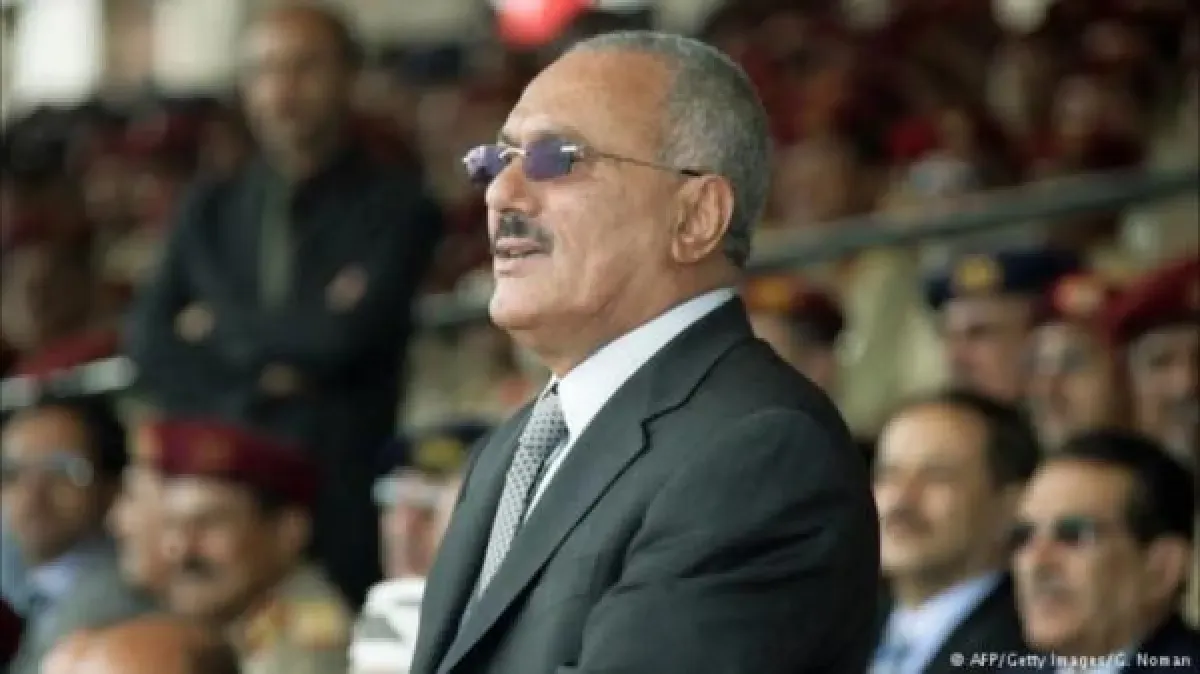
Yemen is experiencing a new wave of popular discontent that transcends traditional sectarian divides, reflecting widespread frustration and existential weariness among millions across the nation. Spontaneous public movements and discussions, spanning from cafes and social gatherings to social media platforms, signify a powerful outcry against the pervasive deterioration of life. Amidst this suffering, a notable shift in collective Yemeni consciousness is emerging, with the populace increasingly recalling the era of President Ali Abdullah Saleh and his political system, not merely as a past period, but as a symbol of a lost state with its institutions, security, and essential services, which have now become unattainable luxuries under the control of multiple de facto authorities, particularly in Houthi-controlled areas where citizens face severe restrictions, violations, and systematic poverty. The Yemeni street is now expressing deep regret and bitterness over the decline that followed the events of 2011 and subsequent conflicts, which pushed the country to the brink of collapse. Yemenis speak with sorrow about the security that once permeated their daily lives, allowing free movement between governorates without fear of arbitrary arrest or extortion at checkpoints. The absence of organized crime and the former security forces' ability to enforce the rule of law are now yearned for in an environment plagued by insecurity, random killings, and the rise of armed gangs. Many observers believe that this popular yearning for Saleh's national and unifying legacy stems from a direct comparison between a state that accommodated all factions and narrow theocratic or regional authorities that practice systematic exclusion and treat the state as spoils of war rather than a responsibility towards citizens. The crisis of unpaid salaries, particularly in Houthi-controlled regions, is a primary driver of the ongoing public unrest. Hundreds of thousands of state employees have been without a stable income for years, while the militia insists on a policy of starvation, linking humanitarian issues to political and military calculations. As 2026 begins, employees there face increasingly arbitrary measures, including withholding basic entitlements from teachers under the guise of official holidays and refusing to disburse even partial salaries. This deprivation coincides with a frightening surge in the prices of food and services, driven by exorbitant taxes and levies imposed by the militia on businesses. This has pushed ordinary citizens to the brink of starvation, making the previous regime's era of regular salaries, a stable national currency, and affordable goods seem like a golden age worth fighting to reclaim. Yemenis are enduring the harsh reality of absent basic living necessities, with public services in unprecedented decline. In the southern governorates, citizens suffer through scorching summers with near-total electricity outages, paralyzing commerce and exacerbating health issues. In Houthi-controlled areas, public services have become a private investment sector managed by militia leaders, with electricity and water sold at exorbitant prices through commercial facilities owned by influential Houthi figures. Government hospitals have been replaced by costly private health centers, unaffordable for the struggling populace. This stark contrast between the infrastructure and development projects provided by the state under President Saleh and the current state of destruction, privatization, and institutional looting is the primary catalyst for the current Yemeni awakening, which calls for the departure of militias and the return of competent state officials. The Yemeni arena has recently witnessed a sharp increase in criminal activity and grave human rights violations, amid a near-complete absence of an independent justice system. Courts in Houthi-controlled areas have become instruments for settling political scores, confiscating property, and legitimizing abuses against civilians. The rule of law has been supplanted by customary tribal rulings and security supervisors who wield absolute power. Citizens report widespread crimes of familial murder, armed robbery, and assaults on public and private property with no effective deterrent. This tragic situation evokes the legacy of the judiciary and legal institutions under the previous state, which provided a framework for justice and fairness, in stark contrast to the current state of lawlessness and the erosion of personal and social security. The ongoing popular uprising in Yemen is not a momentary event but an accumulation of years of oppression, deprivation, and systematic plunder. Yemenis in both the north and south have realized that the hollow slogans of violent groups and armed militias have brought them only death, destruction, and displacement. When citizens compare their current struggle for clean water or cooking gas, or their inability to afford basic food, with their situation a decade and a half ago, they are driven by a bitter awareness to acknowledge that the republican system and the state officials of Saleh's era were the true guarantors of the country's unity, development, and stability. The awakening of public consciousness, expressed on social media and elsewhere, with signs pointing towards future street protests challenging repression and arbitrary arrests, and celebrating national and republican symbols, is a clear manifestation of an overwhelming desire to break free from constraints. It signals a demand for the departure of corrupt authorities and a search for a path to revive the Yemeni state and its national institutions, enabling them to resume their role in protecting individuals, preserving dignity, and upholding legitimate rights to a decent life and sustainable security. |