


Yemen's Power Crisis: Millions in Aid Fail to Stabilize Electricity
|
2 weeks ago
A-
A+
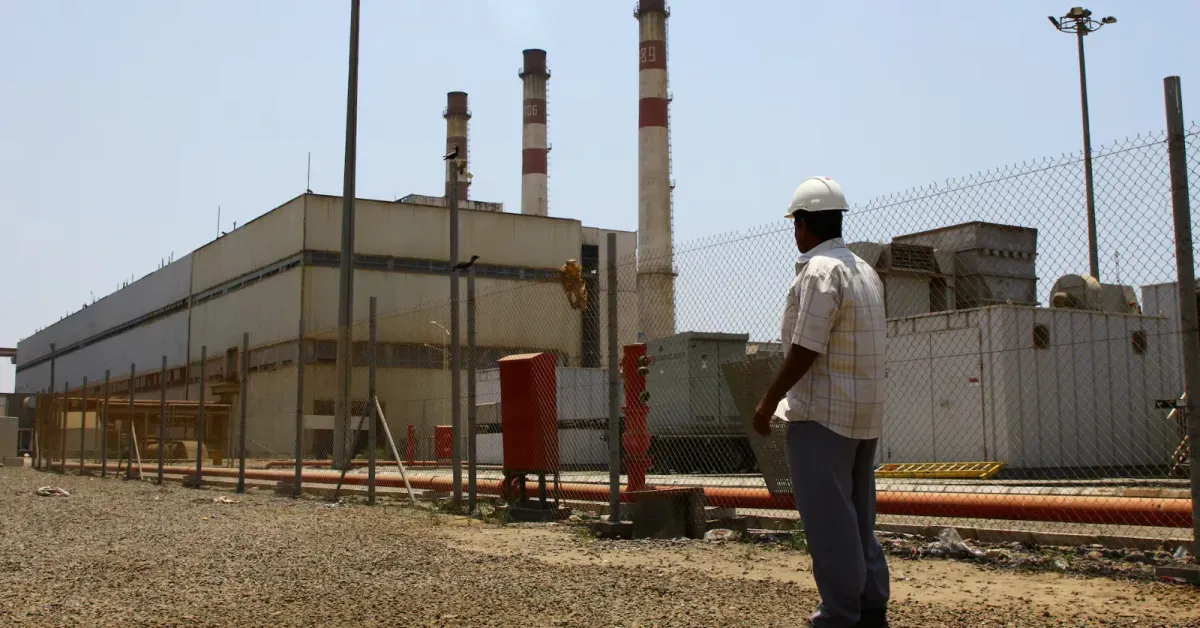
Residents in Aden and the governorates of Hadramaut, Abyan, Lahij, Shabwah, Mahrah, and Socotra are enduring one of the most severe electricity crises in years, marked by unprecedented power outages during the summer and growing public discontent over the fate of foreign aid and grants allocated to the power sector. Despite substantial support from Saudi Arabia and the UAE for the electricity sector in liberated areas since 2015, the current state of service reveals a significant disparity between the funds expended and the quality of service provided. Major cities continue to suffer from prolonged daily blackouts, with crises recurring each summer. Official data indicates that Saudi Arabia alone provided multiple fuel grants for electricity generation stations in liberated governorates. These grants amounted to approximately $180 million in 2018, $422 million in 2021, and $200 million in 2022. A new grant, announced for early 2026, is valued at $150 million and includes 339 million liters of diesel and mazut to operate over 70 power stations across various Yemeni governorates, bringing the total announced Saudi grants for electricity fuel in recent years to over $952 million. Support has also extended to the construction and rehabilitation of new power generation plants, notably the Al-Riyadh station in Aden, alongside other projects to upgrade electrical infrastructure in several governorates. Nevertheless, the power system remains plagued by frequent breakdowns, high operational costs, and a near-complete reliance on subsidized fuel. This situation raises a fundamental question: Where have the funds from these grants gone? Citizens experiencing extended periods of darkness do not see tangible evidence of the announced sums. The persistence of these crises, despite the influx of hundreds of millions of dollars, points to systemic issues beyond mere fuel shortages, encompassing problems in management, revenue collection, technical and commercial losses, and a lack of sustainable maintenance and modernization for the sector. Economic experts argue that oil grants address symptoms rather than the root causes of the crisis. Fuel is consumed within a few months, and the crisis resurfaces due to a lack of genuine investment in renewable energy, incomplete gas and solar projects, and continued dependence on outdated, high-cost power stations. In Hadramaut, Yemen's largest oil-producing governorate, the electricity crisis recurs annually despite vast oil and gas resources. Meanwhile, Aden, the government's temporary capital, faces recurrent public protests due to deteriorating service and power cuts during peak summer periods. Observers suggest the electricity crisis exemplifies Yemen's broader public administration challenges, with successive governments failing to translate foreign grants into sustainable solutions. While announced grants total hundreds of millions of dollars, citizens continue to bear the cost of institutional failure through power outages, business disruptions, and increased living expenses. With new shipments of Saudi fuel expected in 2026, the true challenge lies not just in fuel provision but in ensuring transparency and accountability in managing this support and directing it towards structural reforms that can end the cycle of recurring crises that have exhausted citizens and the local economy. |