


Iran's African Presence Fuels Drone Support for Houthis, Threatens Red Sea Shipping
|
3 hours ago
A-
A+
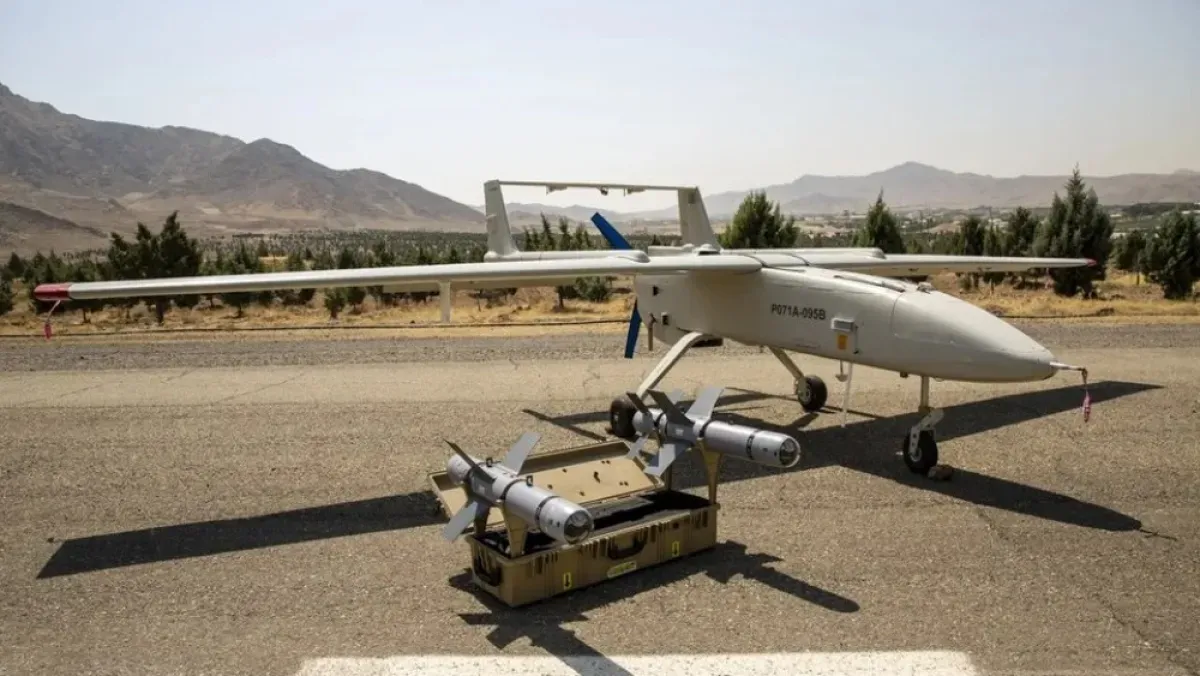
A recent report from the Middle East Forum indicates that Tehran is integrating the African continent into its broader strategy, transforming it into a lucrative market and a potential forward assembly zone for its drone arsenal. These weapons are being transshipped through a complex logistical network designed to circumvent Western sanctions. According to the report, Iran's Islamic Revolutionary Guard Corps (IRGC) is transferring "Mohajer-6" drones and their components via Port Sudan and other coastal hubs. Cargo flights between Port Sudan and Bandar Abbas have been observed repeatedly since late 2023. Satellite imagery has confirmed the presence of these drones at the Wadi Sidna airbase near Khartoum, where they have been utilized by the Sudanese Armed Forces to secure strategic areas, tilting the conflict against the Rapid Support Forces. A similar pattern emerged in Ethiopia in 2021, when Tehran supplied armed drones for operations against Tigray rebels, a clear violation of a UN Security Council resolution. Additional transit routes through Eritrean ports like Assab and Massawa are contributing to the expansion of this network. Reports suggest significant human cost from drone strikes in Sudan, with officials recording approximately 700 civilian casualties in the first three months of 2025 and another 478 fatalities in the first two months of 2026. Although the cost of each drone ranges from $20,000 to $50,000, Iran's domestic production lines can reportedly produce up to 10,000 drones monthly, enabling dominance in African conflict air operations. By solidifying its presence in Sudan, Tehran ensures access to the Red Sea and establishes a direct link with Houthi forces, while circumventing sanctions through a barter system of weapons for gold and minerals. This strategy neutralizes Gulf rivals and enhances its influence in the Horn of Africa. The report further asserts that Tehran's influence extends to the Sahel region, with Iran's defense minister visiting Burkina Faso in February 2026 to offer drones and expand defense cooperation. Similar initiatives target military juntas in Mali and elsewhere, exploiting weak governance and anti-Western sentiment. For Israel, this expansion poses a direct threat, as Iranian drones are equipping proxies targeting Israeli-linked shipping and territory. The IRGC has repeatedly attempted to recruit local networks for attacks on Israeli diplomatic missions, but the Mossad, in coordination with African partners, has successfully dismantled plots against embassies in Senegal and Uganda. Israel, according to the report, emphasizes the need for a firm response to this network, involving intelligence gathering, targeted disruption of supply chains, elimination of IRGC logistical cadres, and cyber intrusions to disable the drone pipeline to Africa. Israel must also expand intelligence sharing with African governments, provide counter-drone technology, coordinate with Gulf partners, and maintain pressure on countries supplying Iran with components. The report concludes that Africa, with its vastness and weak governance, serves as an Iran-shielded, sanctions-proof rear base and a launchpad for hybrid warfare. Israel must dismantle this project before it escalates into a persistent strategic nightmare. |