



Bab al-Mandab Strait: A Geopolitical Chokepoint Amidst Rising Tensions
|
1 month ago
A-
A+
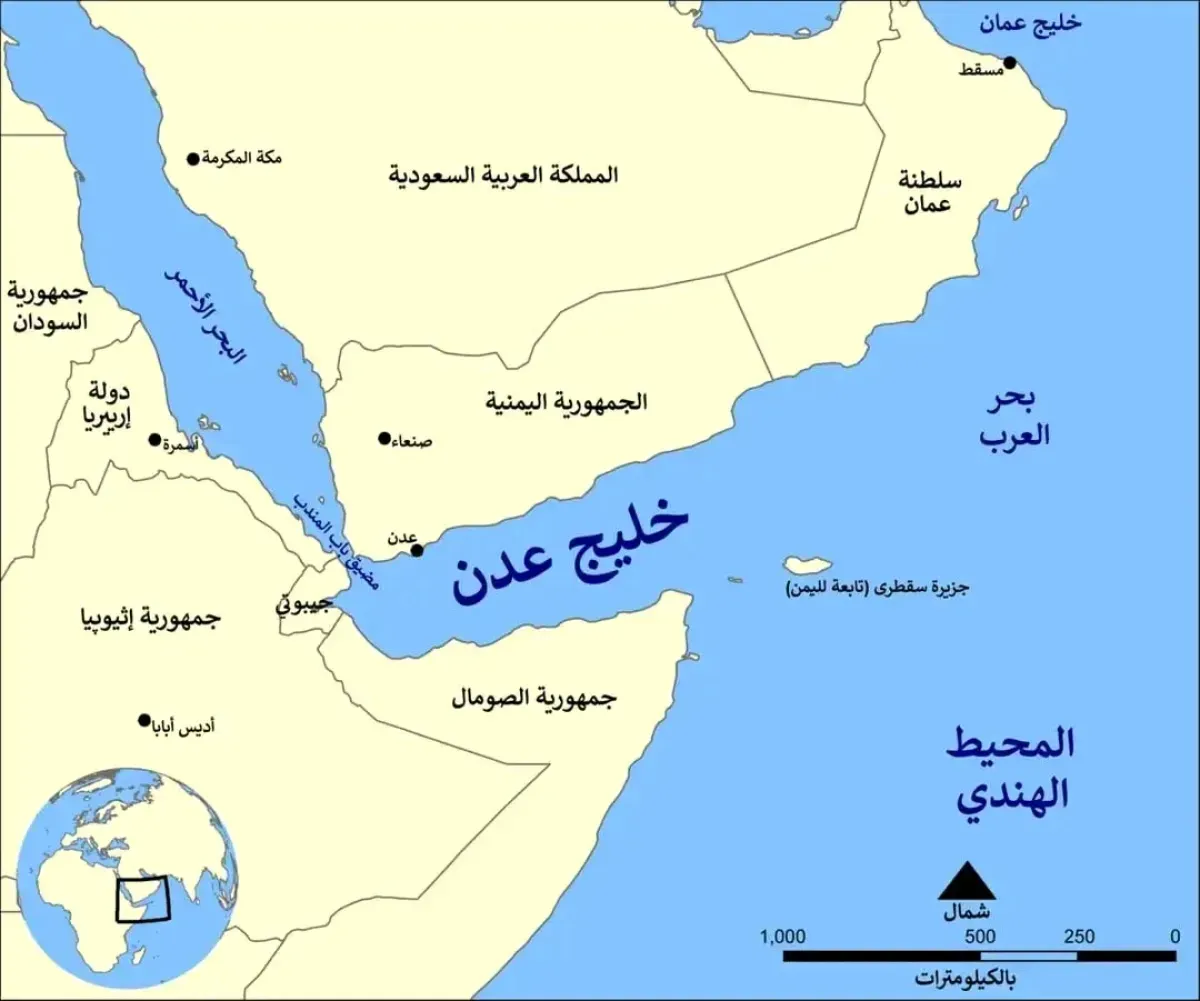
As global attention focuses on the sensitive Strait of Hormuz, the Bab al-Mandab Strait is emerging as a critical geopolitical nexus, particularly concerning its implications for Yemen and the wider region. The Red Sea, an extension of the Persian Gulf, is increasingly viewed as vulnerable to disruptions in international energy and trade flows, positioning Bab al-Mandab as a strategic point susceptible to the indirect impacts of escalating regional conflicts. This shift in international focus is driven not only by geography but also by the interconnected nature of the global economy, which relies on the uninterrupted transit of vital resources through narrow, sensitive maritime passages. The Bab al-Mandab Strait holds immense importance in global maritime security. It connects the Red Sea to the Indian Ocean and serves as a crucial gateway to the Suez Canal, a route through which a significant volume of trade between Asia and Europe passes. Its strategic weight, exceeding its limited geographical size, stems from its status as an unavoidable maritime bottleneck. Consequently, any threats to this strait have direct repercussions on the global economy, affecting energy prices, shipping costs, and the stability of supply chains. As tensions persist, concerns are mounting over a potential shift of pressure towards the Red Sea, a highly sensitive alternative route. Understanding the future of Bab al-Mandab is intrinsically linked to the situation at the Strait of Hormuz. Together, these straits form the primary arteries for energy and trade in the region, and disruptions in one inevitably lead to a redistribution of maritime traffic towards or around the other. When tensions rise at Hormuz, shipping companies and importing nations often seek alternative routes, with the Red Sea frequently being a primary consideration. This redirection not only elevates the importance of Bab al-Mandab but also places it under increasing security and economic pressure, making it a sensitive point in any regional or international conflict equation. Several scenarios could unfold concerning Bab al-Mandab. One plausible scenario involves stringent security containment without an outright conflict, relying on a significant international naval presence in the Red Sea and Gulf of Aden, coupled with advanced intelligence coordination to ensure uninterrupted navigation. This approach aims to preemptively address potential threats and bolster maritime defenses. However, this containment does not eliminate risks but rather reshapes them into persistent, low-intensity threats. Another sensitive scenario involves indirect escalation through local actors, potentially utilizing armed groups in Yemen to conduct limited operations or pose threats to international shipping without triggering an all-out war. This "calculated pressure" approach carries substantial risks, as miscalculations could provoke widespread international responses. A third scenario, in the event of a broader regional conflict, could see Bab al-Mandab become a zone of low-intensity disruption, characterized by recurring security incidents short of a complete closure of the waterway. While not direct warfare, this scenario would significantly impact the global economy through increased maritime insurance costs, altered shipping routes, and enhanced security measures for vessels. Yemen's internal situation is central to the geopolitical dynamics of Bab al-Mandab. The ongoing internal divisions in Yemen have transformed it into a theater where regional and international calculations intersect, making any development there a direct reflection on Red Sea security. The Houthi-controlled areas, as proxies for Iran, maintain a calculated approach to utilizing Bab al-Mandab in their regional conflict narrative, recognizing the severe international repercussions of any direct escalation. This reflects an indirect deterrence balance, as all parties understand that turning the Red Sea into an open battleground would have global economic consequences. Meanwhile, the internationally recognized Yemeni government seeks to enhance its role in maritime security to bolster its political standing, though its effectiveness is limited by its ground capabilities and reliance on regional and international support. Any instability in Bab al-Mandab directly impacts the global economy. Increased maritime insurance costs translate into higher commodity prices, while rerouted shipping adds delays to supply chains, affecting global energy and goods markets. Furthermore, disruptions in this strait place additional pressure on oil markets, especially given its connection to the Strait of Hormuz, amplifying the economic impact of any tensions. The increasing international military presence in the Red Sea and Gulf of Aden, while aimed at ensuring freedom of navigation, adds another layer of complexity to the security landscape, heightening the sensitivity of any potential security incident and demanding careful management of deterrence and stability. The future outlook for Bab al-Mandab suggests a state of persistent, low-intensity tension rather than immediate conflict or complete stability. It exists within a delicate balance of deterrence and containment, making it one of the most sensitive points in the global geopolitical system, where complex regional and international interests converge. Despite its modest geographical size, Bab al-Mandab wields significant global influence due to its direct link to the Strait of Hormuz, the global economy, and the volatile situation in Yemen. Its future remains contingent on these intricate balances, in a region where stability is often transient. |