


Death of Khamenei Triggers Regional Shockwave, Puts Yemeni Brotherhood in Spotlight
|
13 hours ago
A-
A+
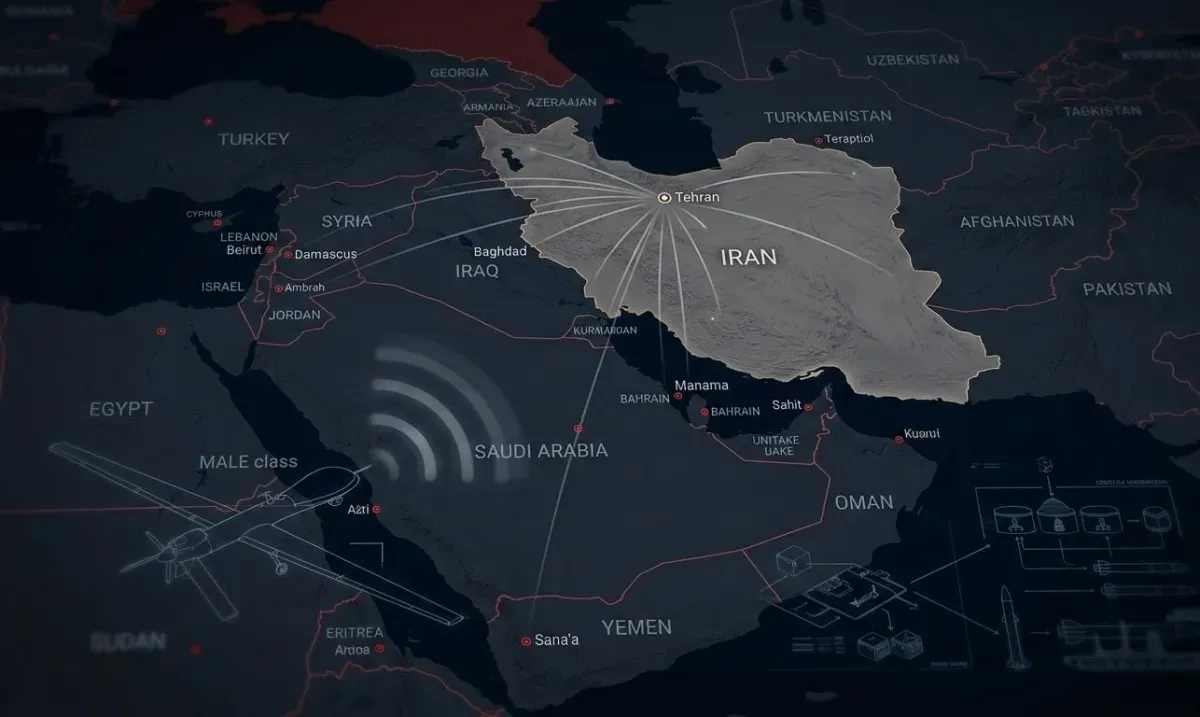
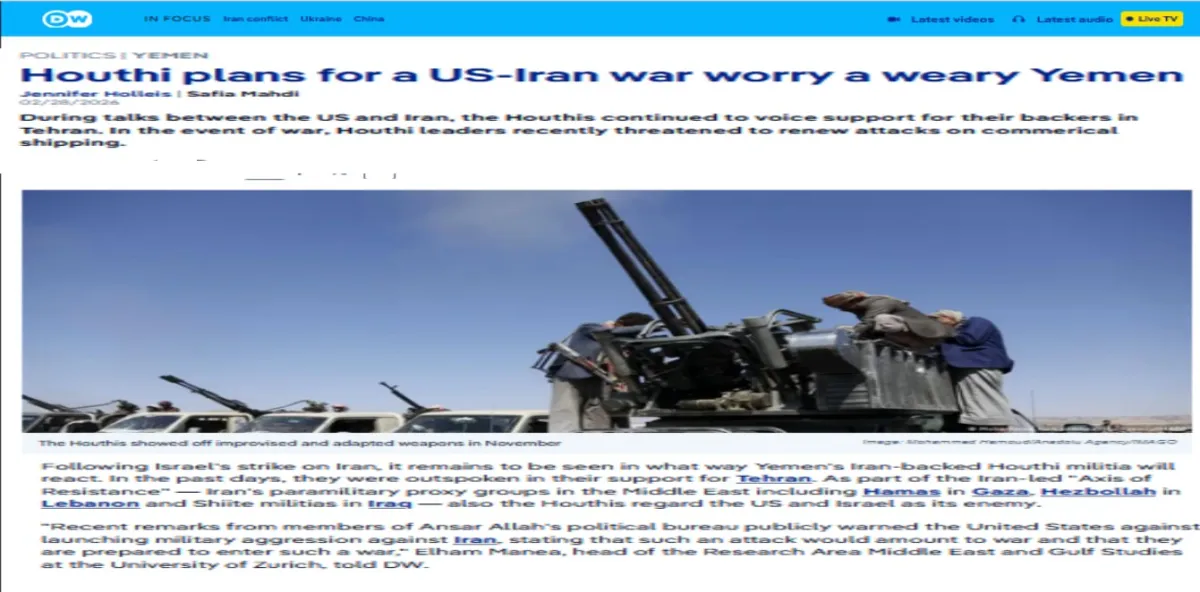
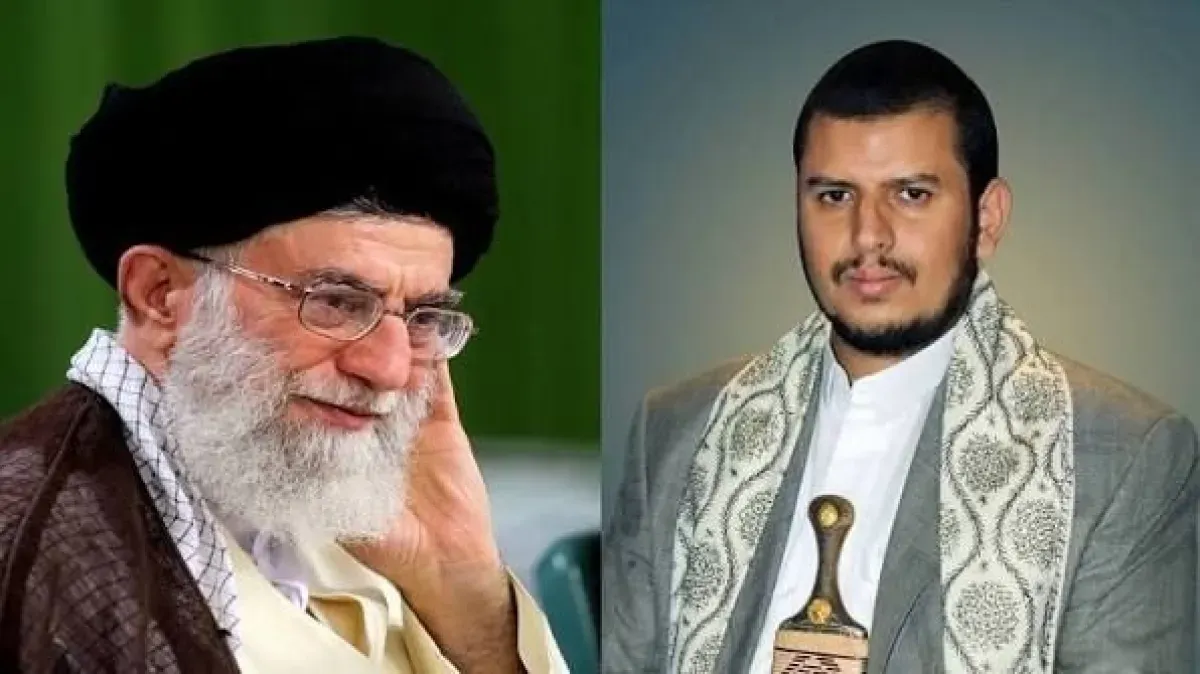
The official announcement of the death of Iran's Supreme Leader, Ali Khamenei, amid escalating military actions involving Israel and the United States targeting Iranian sovereign sites, marks an exceptional regional juncture expected to profoundly reshape Middle Eastern political dynamics. This pivotal event is viewed not merely as a security development but as a strategic turning point with deep ramifications for regional balances. It occurs against the backdrop of the historical "Iranian project," established since the 1979 Revolution, which centers on exporting influence and building cross-border alliances. While Tehran frames this policy as essential to its national security, adversaries contend it has been a primary driver in transforming internal conflicts across several Arab nations into open arenas for regional competition. Over four decades, Iran has solidified its presence in complex regional files, notably through support for the Syrian regime, bolstering armed factions in Iraq, and empowering Hezbollah in Lebanon as a significant military and political deterrent. The Yemeni arena, however, remains acutely sensitive, as Tehran’s backing for the Houthi militias, who overthrew state institutions in 2014, has perpetuated the ongoing conflict. For a significant segment of the Yemeni populace, the Iranian project is directly linked to political and military fragmentation, the worsening humanitarian crisis, and the paralysis of state institutions. Consequently, any development affecting the apex of the Iranian hierarchy is interpreted as a potential catalyst for redrawing power balances, either through weakening or restructuring Tehran's regional instruments. The strikes against Iranian military and security installations, which coincided with the announcement of Khamenei’s death and that of several military commanders, represent a qualitative shift in the confrontation's intensity. This escalation extended beyond Iranian borders, triggering unprecedented tension in the Gulf, with several Gulf states reporting missile and drone attacks allegedly executed by the Iranian regime and the Revolutionary Guard, impacting vital facilities in the UAE, Kuwait, Bahrain, and Qatar. This broadening of the conflict zone moves the confrontation beyond targeted exchanges to an open regional level, centering the Arabian Gulf in the military equation and increasing the probability of a wider engagement. This shift raises critical questions about the future cohesion of the Iranian leadership structure post-Khamenei and its necessary impact on regional proxies, including the Houthi militias in Yemen. Within this volatile landscape, Yemeni political actors, particularly the Islah Party—the Yemeni Muslim Brotherhood affiliate and a key component of the internationally recognized legitimate government's camp—face complex positioning. Theoretically, Islah stands in direct opposition to Iranian influence, making any weakening of Tehran's central decision-making apparatus a potential opportunity for internal Yemeni rebalancing. However, the ideological dimension rooted in the Muslim Brotherhood school adds complexity. The traditional discourse within Yemeni Islah prioritizes confrontation with Israel, leading to reservations regarding any alignment perceived as endorsing military action led by the United States or Israel, even against a political and sectarian adversary. Recent statements from figures associated with Islah emphasized refusal to side with the U.S. or Israel against Iran, maintaining that the principled stance must reject supporting a historical adversary, irrespective of disagreements with Iranian policies or the Houthi coup. This ideological tension sparked debate within the legitimacy camp after some Yemeni Brotherhood activists and preachers reportedly described Khamenei's death using terms implying martyrdom, drawing sharp criticism. Opponents viewed granting positive symbolism to a leader linked to armed hostility against the Yemeni state as a political and ethical contradiction, especially following recent attacks on Gulf nations that underscore Iran’s role as a direct threat to Arab security. The core of the discussion centers on prioritizing ideological constants versus immediate national interest. In Yemen, Iranian influence is intrinsically tied to the continuation of the coup and the undermining of state institutions. The expansion of attacks into the Gulf adds a broader Arab dimension, reintroducing the question of regional alignment through the lens of collective national security. The death of Ali Khamenei, coinciding with the widening confrontation across the Arabian Gulf, inaugurates a new regional phase. Its implications for Yemen will depend on the ability of local actors to navigate this moment with political realism, balancing ideological tenets against national necessities. The ultimate test for Yemen remains whether these regional shifts can be leveraged to reinforce the project of the Yemeni state and end the Houthi insurgency, or if they will exacerbate internal divisions within the anti-Houthi coalition. |