


Iran Faces Historic Arab and Islamic Isolation Following Setbacks to Regional Proxies
|
1 day ago
A-
A+
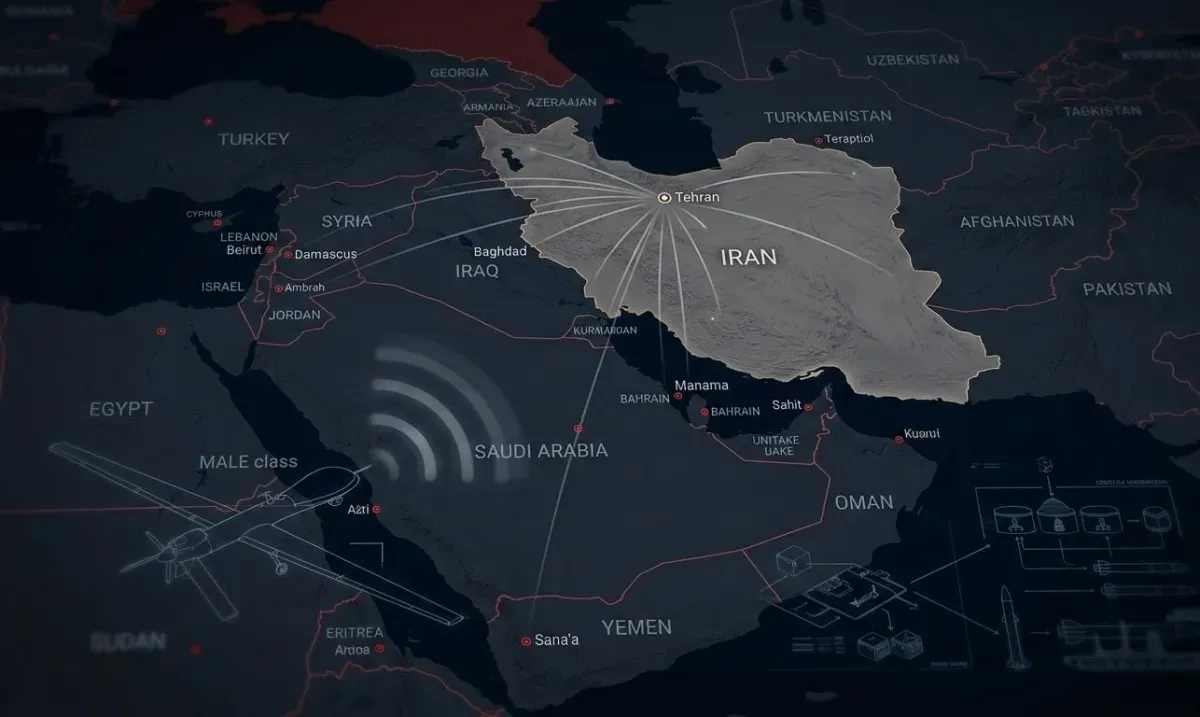
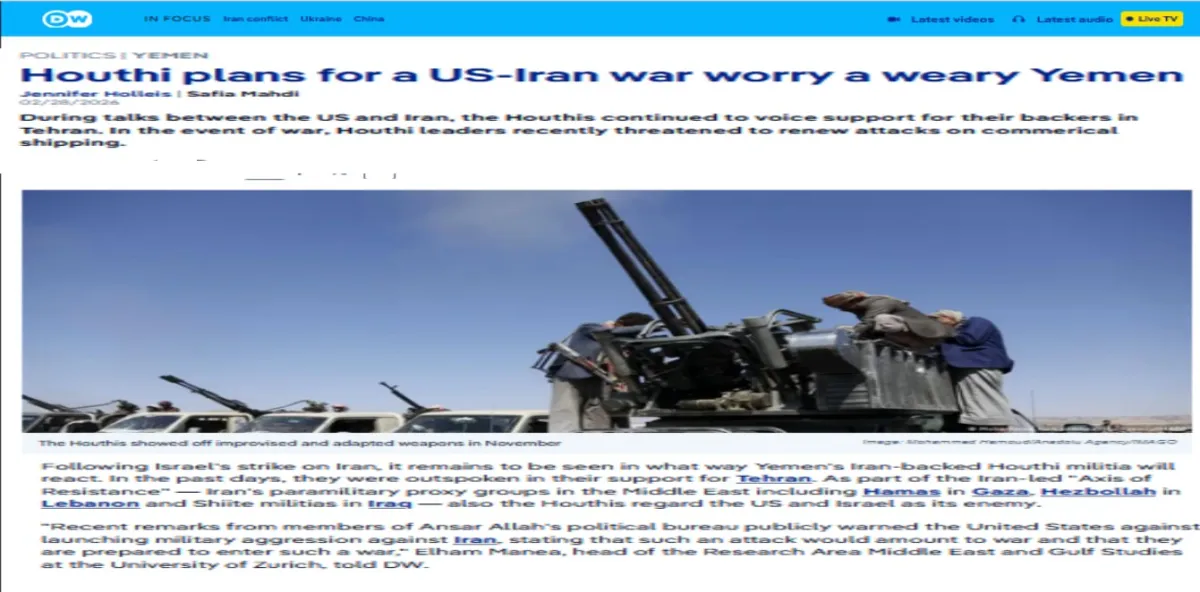
Decades of Iranian regional policy, characterized by extensive support for allied armed groups across Arab nations based on ideological and political alignment, have resulted in renewed historical isolation for Tehran when facing retaliatory strikes from adversaries, particularly the United States and Israel. While Tehran frames this foreign policy as a strategy to "confront the American presence" in the region, Arab and Western governments assert that such actions constitute direct interference in the domestic affairs and sovereignty of other states, a claim supported by observable Iranian activities. Observers note that Iran’s network of regional allies includes prominent armed factions such as Hezbollah in Lebanon, the Houthi militia in Yemen, and various armed groups within Iraq’s Popular Mobilization Forces. Tehran's influence was also historically linked to the Syrian regime until the downfall of Bashar al-Assad in December 2024, marking a significant loss for Tehran. International reports detail Iranian military and financial support provided to these groups, encompassing training and technical expertise in weaponry and military manufacturing. In Iraq, Iranian influence solidified post-2003 American invasion through the ascendance of Tehran-aligned factions in security and politics. In Lebanon, Hezbollah established itself as a military force outside the state's control, suffering successive setbacks, most notably the September 2024 assassination of its Secretary-General Hassan Nasrallah in an Israeli strike, which impacted internal dynamics. The connection between the Houthi militia and Iran predates the current conflict in Yemen, with researchers pointing to early linkages before the group’s six conflicts in Sa'dah (2004–2010). The Houthis capitalized on regional political instability following 2011, executing a coup in September 2014 that overthrew the internationally recognized government and plunged the country into a decade-long war resulting in one of the world's most severe humanitarian crises, according to UN assessments. Regional tensions resurface with every negotiation effort, exemplified by the escalation of attacks launched from Houthi-controlled areas in the Red Sea and Bab el-Mandeb Strait under slogans such as "support for Gaza" following the October 2023 Hamas attack on Israel. These assaults prompted retaliatory strikes by the US and Israel against infrastructure in Yemen, including airports, ports, and industrial facilities, thereby broadening the conflict. The United States and several Arab nations have accused the Quds Force, the external operations arm of Iran's Revolutionary Guard Corps, of directing external operations and supplying arms and training to Tehran's proxies. Former Quds Force Commander Qasem Soleimani played a pivotal role in cementing this influence until his death in a US strike near Baghdad airport in early 2020, an event that sharply escalated Washington-Tehran tensions. Furthermore, the Houthi militia announced in December 2021 the death of the Iranian ambassador in Houthi-controlled Sana'a, who was also allegedly leading military operations against the Arab Coalition supporting the legitimate Yemeni government, attributing the death to COVID-19. Regardless of the veracity of this claim, the presence of an Iranian official acting as both ambassador and military commander without the consent of the recognized government constitutes a clear violation. Regionally, Tehran has been accused of responding to American and Israeli strikes by targeting civilian and service facilities in Arab nations, including Saudi Arabia, the UAE, Bahrain, Jordan, Qatar, and Kuwait, under the pretext of hosting US military bases. However, these nations have consistently denied allowing their territories to be used for operations against Iran and have condemned such targeting as violations of international law and sovereignty. Regional analysts argue that even if operations originated from US bases, targeting civilian infrastructure reflects sectarian animosity. Domestically, Iranian authorities face recurrent human rights criticisms, with organizations documenting the arrest and killing of dissidents, activists, and journalists demanding regime change due to economic hardship. The government dismisses these protests as "foreign-backed riots," which critics view as an evasion of responsibility for abuses against opponents. Economically, international sanctions, coupled with controversial domestic policies including resource diversion toward armament and regional proxy support, have exacerbated living conditions, marked by high inflation and currency depreciation. Critics contend that substantial funding directed towards external activities is prioritized over improving citizen welfare, fostering widespread external hostility that contributes to Iran's historic isolation when confronted by US and Israeli action. Amidst Iran's narrative of "counter-terrorism" and deepening sectarian polarization, Iranian regional influence remains an unpredictable factor, characterized by mutual escalation that threatens further instability, juxtaposed against repeated international calls for regional relations founded upon respect for sovereignty and non-interference in internal state affairs. |