


Khamenei's Death Isolates Ansar Allah Leader, Complicates Regional Axis
|
1 day ago
A-
A+
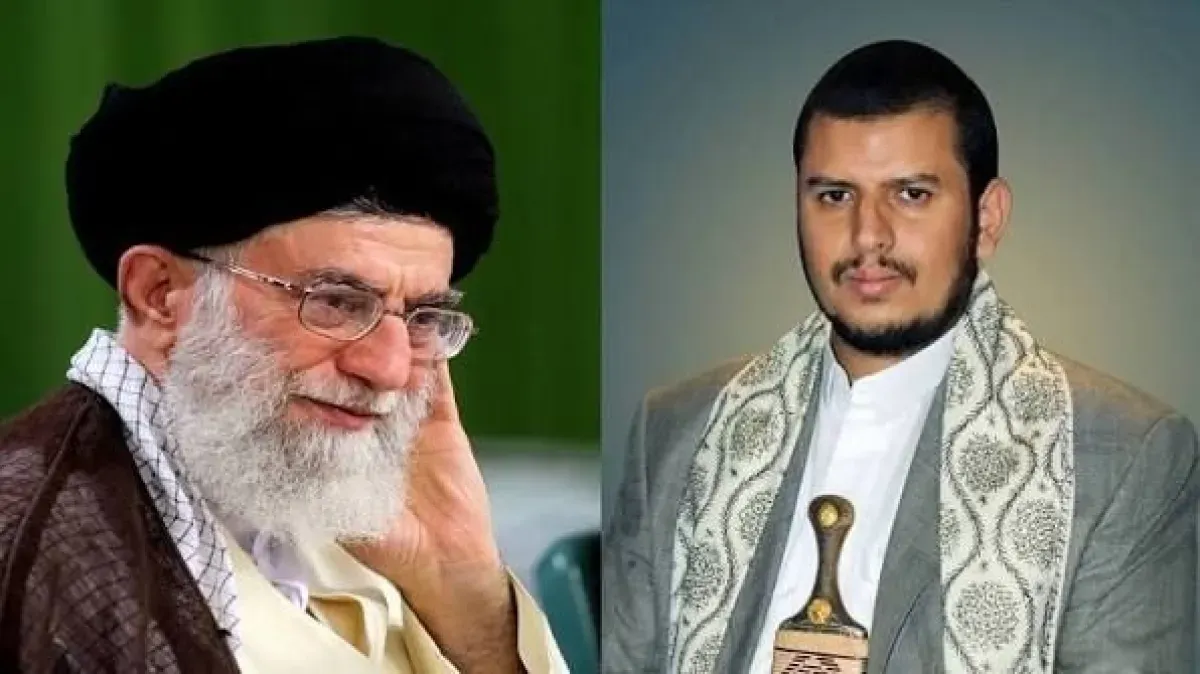
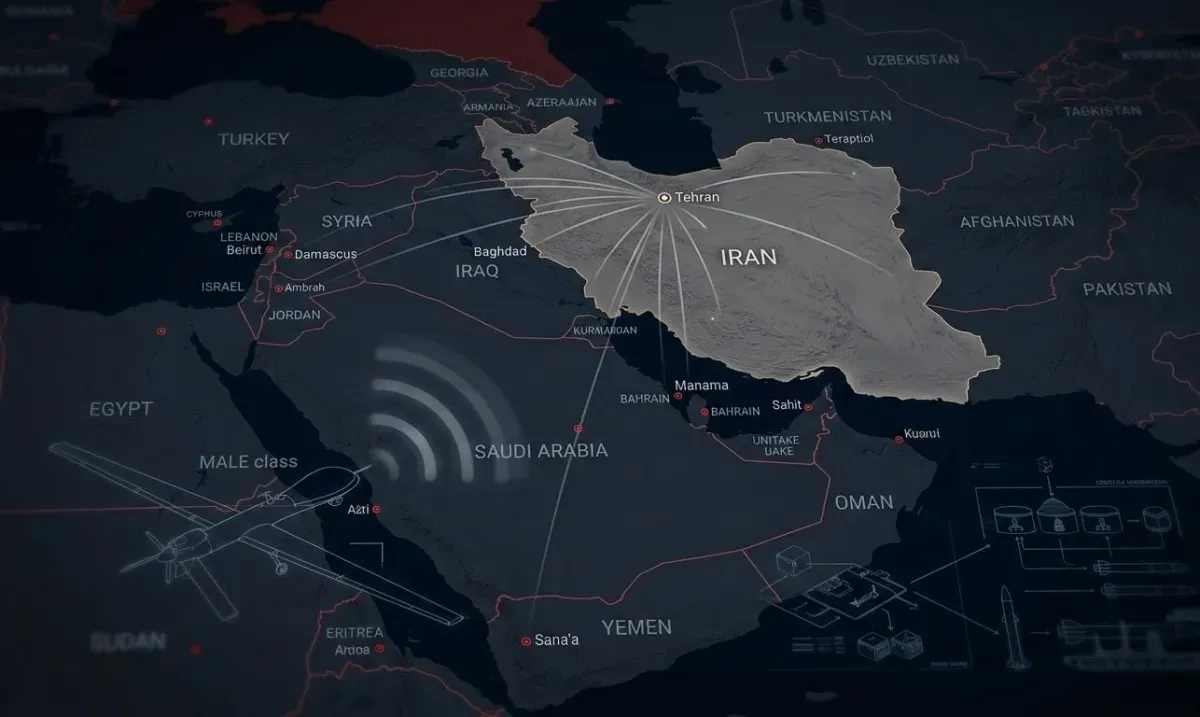
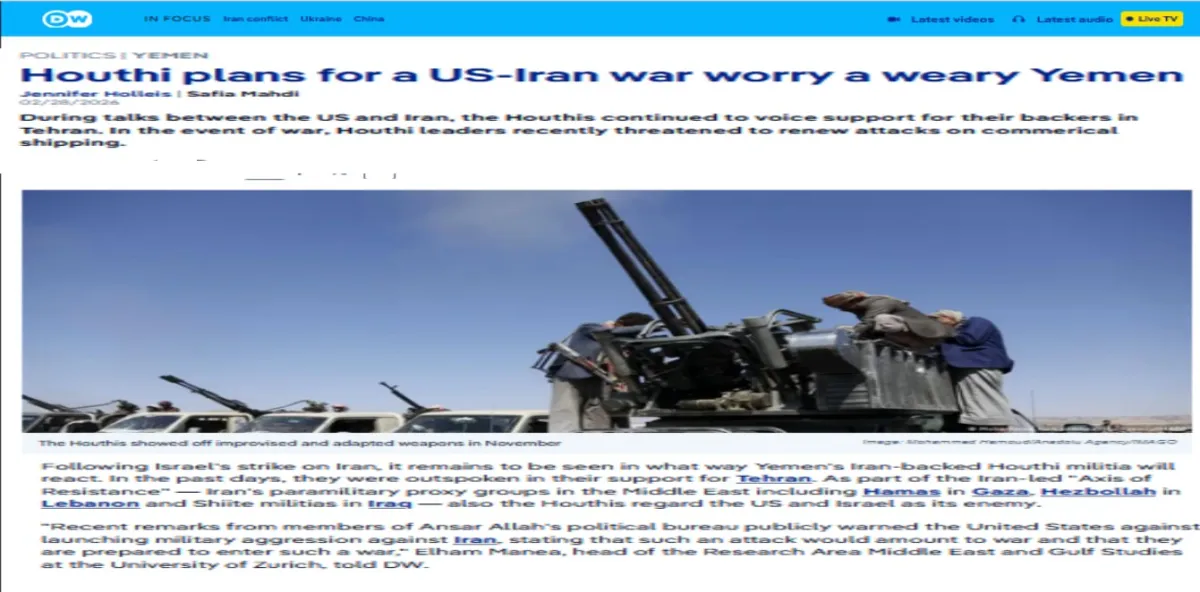
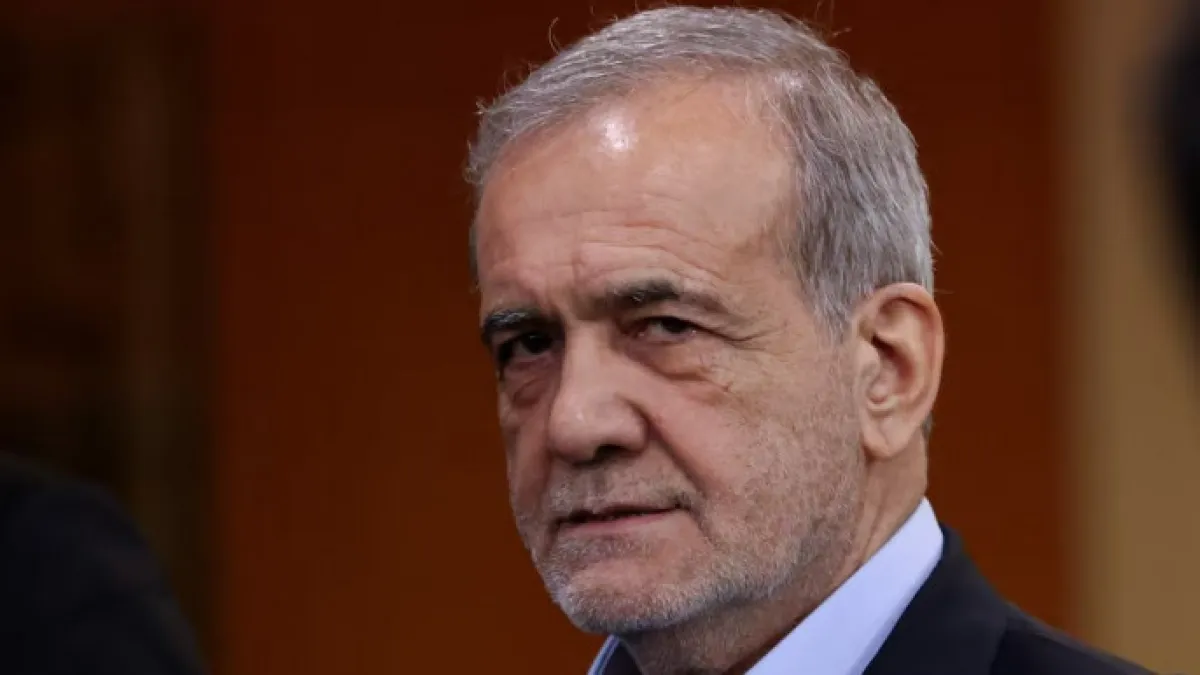
The death of Ayatollah Ali Khamenei leaves Abdul-Malik al-Houthi isolated within the regional 'Axis of Resistance,' marking the loss of the ideological figurehead who most influenced the group's strategic doctrine. Al-Houthi's support structure has systematically eroded, beginning with the loss of Qasem Soleimani and Abu Mahdi al-Muhandis, followed by the death of Hezbollah leader Hassan Nasrallah, other Revolutionary Guard commanders, and now Khamenei himself. While Al-Houthi's personal emotional bond was arguably stronger with Nasrallah, whose charisma shaped his political persona, Khamenei was the primary architect of Al-Houthi's worldview, doctrine, and steadfast strategic confrontation with the West, emphasizing adherence to the Islamic Revolution's line. Khamenei frequently acknowledged Al-Houthi's fervor and eagerness to follow the path of the Iranian Revolution, often referring to him as the "Honorable and Dear Mujahid Sayyid," seemingly viewing the Houthi leader as a reflection of his own youthful tenacity. Despite the Ansar Allah movement being the newest and latest addition to the axis, its influence rapidly expanded by demonstrating defiance and seizing territory, occasionally exceeding the axis's established parameters. In the preceding two years, Al-Houthi reportedly expressed dissatisfaction with the managed pace of confrontation against Israel, favoring a more proactive, immediate "jihadist engagement" rather than the calculated, incremental strategy of "scoring points" employed by Nasrallah and the IRGC to avoid a large-scale conflict during the Gaza war. Sources suggest Al-Houthi openly criticized this cautious approach in internal discussions. Khamenei’s demise presents a complex and potentially costly opportunity for Al-Houthi. The collapse or severe weakening of the Islamic Republic system will inevitably undermine the group's ambitions, particularly concerning the critical material, technical, and logistical support Tehran has provided for over two decades. Nevertheless, the reality suggests Al-Houthi has achieved a significant level of self-sufficiency regarding core operational capabilities. It remains unlikely that the axis's failures will compel Abdul-Malik Al-Houthi toward a fundamental reassessment of his priorities. Instead, he is expected to focus intensely on fortifying his movement, striving to avoid the fate of his fallen allies, while maintaining a belief in his own resilience. This is likely to involve postponing any devastating confrontation until he achieves further advancements in missile technology, air defense systems, and strategic infrastructure preparation. Khamenei's death leaves Al-Houthi as the last major, motivated component of the axis structure, potentially prompting efforts to dismantle the remaining framework. A crucial unknown remains Al-Houthi's involvement in the current conflict alongside Iran; having refrained from participation in the initial days, it suggests pre-planned roles contingent on the war's duration or a direct existential threat to the Iranian regime. If the conflict ends without Houthi intervention, it could reopen diplomatic pathways mediated by Oman and shaped by Saudi Arabia, potentially aligning with Al-Houthi's need for time to consolidate. However, Israeli officials have repeatedly indicated their intention to address their unresolved score with the Houthis. Overall, the confluence of local factors—including the recent stabilization of the internationally recognized government forces, consolidated military and political decision-making supported by Saudi Arabia, and declining popular support for the Houthis alongside internal structural and security erosion—suggests that the final stronghold of the 'Axis of Resistance' faces a period of severe difficulty. |