


WFP: Areas under IRG control face food-insecurity and severe food-insecurity
|
21 hours ago
A-
A+
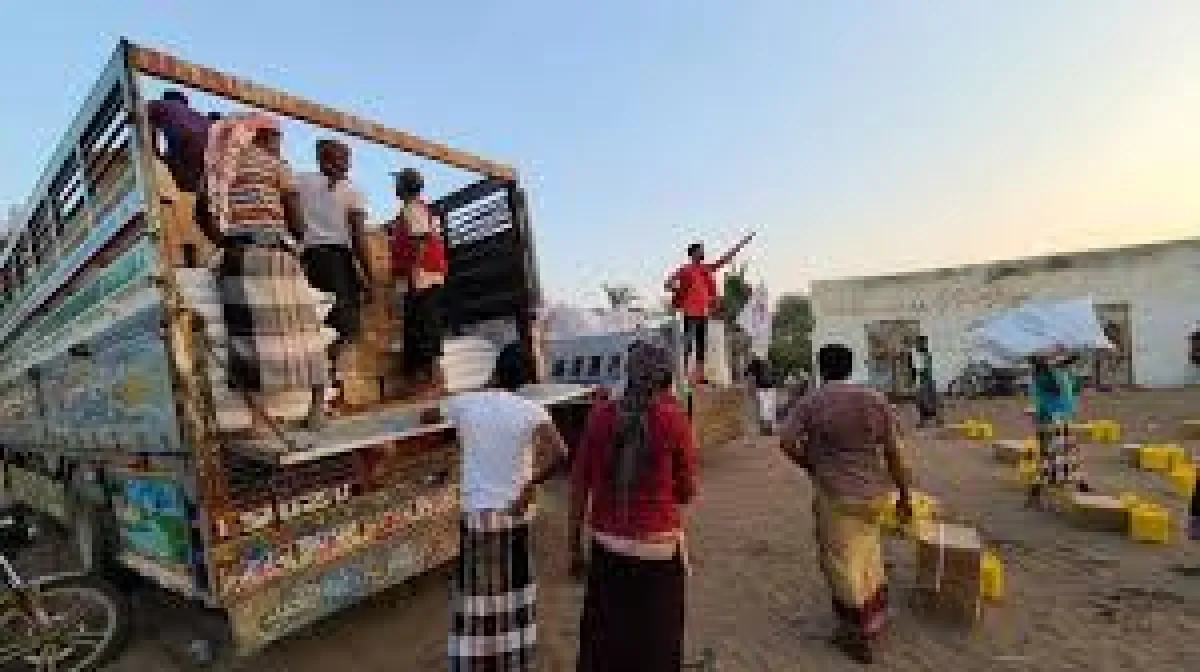
54 percent of households in areas under the control of the internationally recognized government of Yemen (IRG) are food-insecure, including 5 percent that are classified as severely food-insecure, according to World Food Programme (WFP) recent assessment, conducted in 118 districts in 11 governorates. WFP surveyed 18,414 households to evaluate the evolving food security situation and found that governorates of Ma’rib and Al Jawf experienced sharp increases in food insecurity, resulting in the highest levels of food insecurity in the areas controlled by the IRG while Ad Dali’ continues to have the same high rate of 67 percent as it had in 2022. Half of the households surveyed – 50 percent – reported inadequate food consumption levels, and while hunger levels as measured on the household hunger scale showed modest improvements or stability compared with 2022, regional disparities persist. Key findings reveal a decline in food consumption and increased economic vulnerability compared with the assessment of 2022. According to the Consolidated Approach to Reporting Indicators of Food Security, These high levels of food insecurity are driven by localized conflict, macroeconomic instability (currency depreciation, rising fuel and food prices, non-payment of public sector salaries/wages) and climate-induced effects. Demographic analysis indicates that food insecurity disproportionately affects displaced and marginalized households, households headed by women, and those with low levels of literacy or limited access to essential services. The use of coping strategies remains widespread, with 80 percent of households employing at least one such strategy, although reliance on emergency strategies has dipped, which could plausibly signal an exhaustion of these strategies. Livelihoods remain fragile: 37 percent of households depend on irregular or seasonal income, with higher prevalence in Al Jawf (77 percent), Al Hodeida (65 percent) and Ma’rib (63 percent). Government salaries are the primary source of income but are irregularly disbursed and insufficient to cover the food needs of most households. Regional variations persist, with increased reliance on livestock, fisheries and qat cultivation in specific areas. WFP assessment concluded that the 2025 food security and livelihoods assessment highlights the urgent need for targeted interventions aimed at stabilizing livelihoods, improving access to food, and strengthening households’ resilience. Without renewed humanitarian support and economic recovery, food insecurity in Yemen is expected to worsen. |