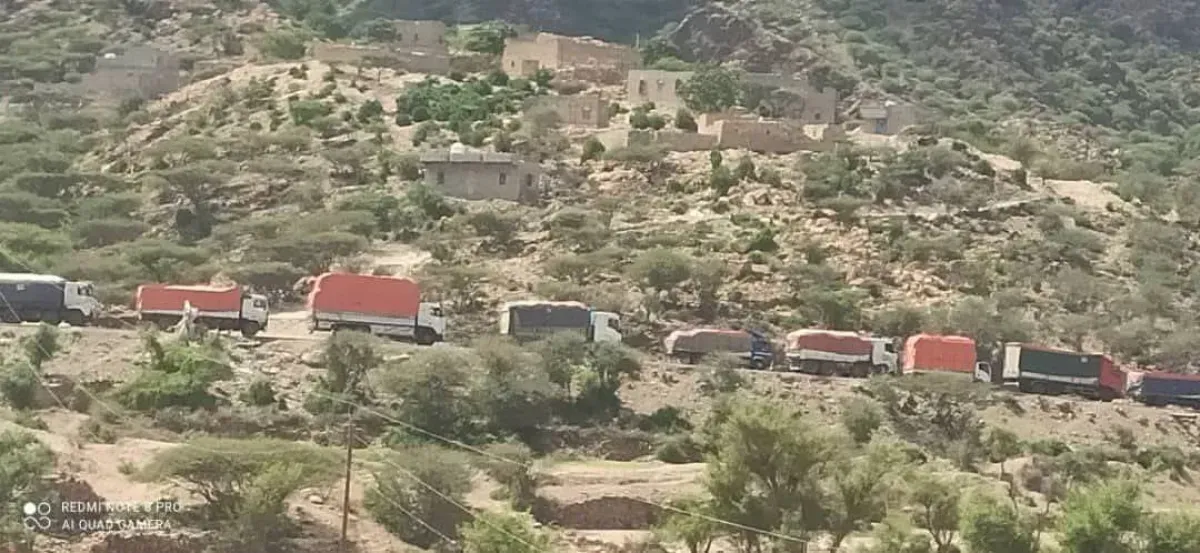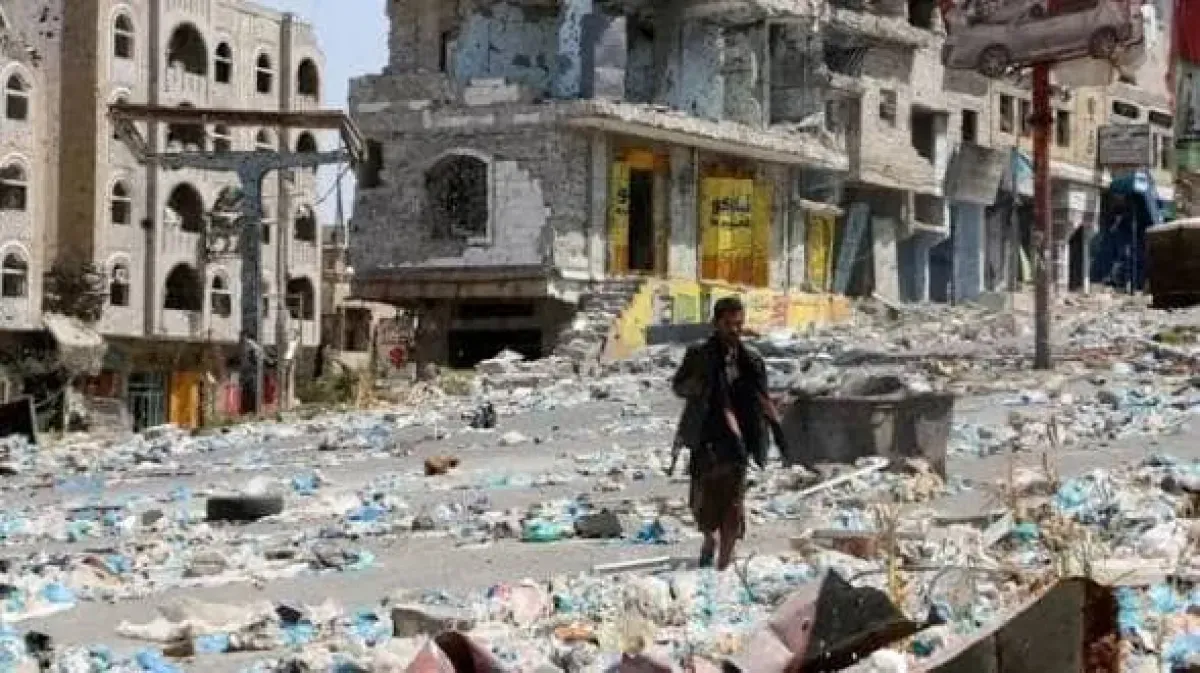
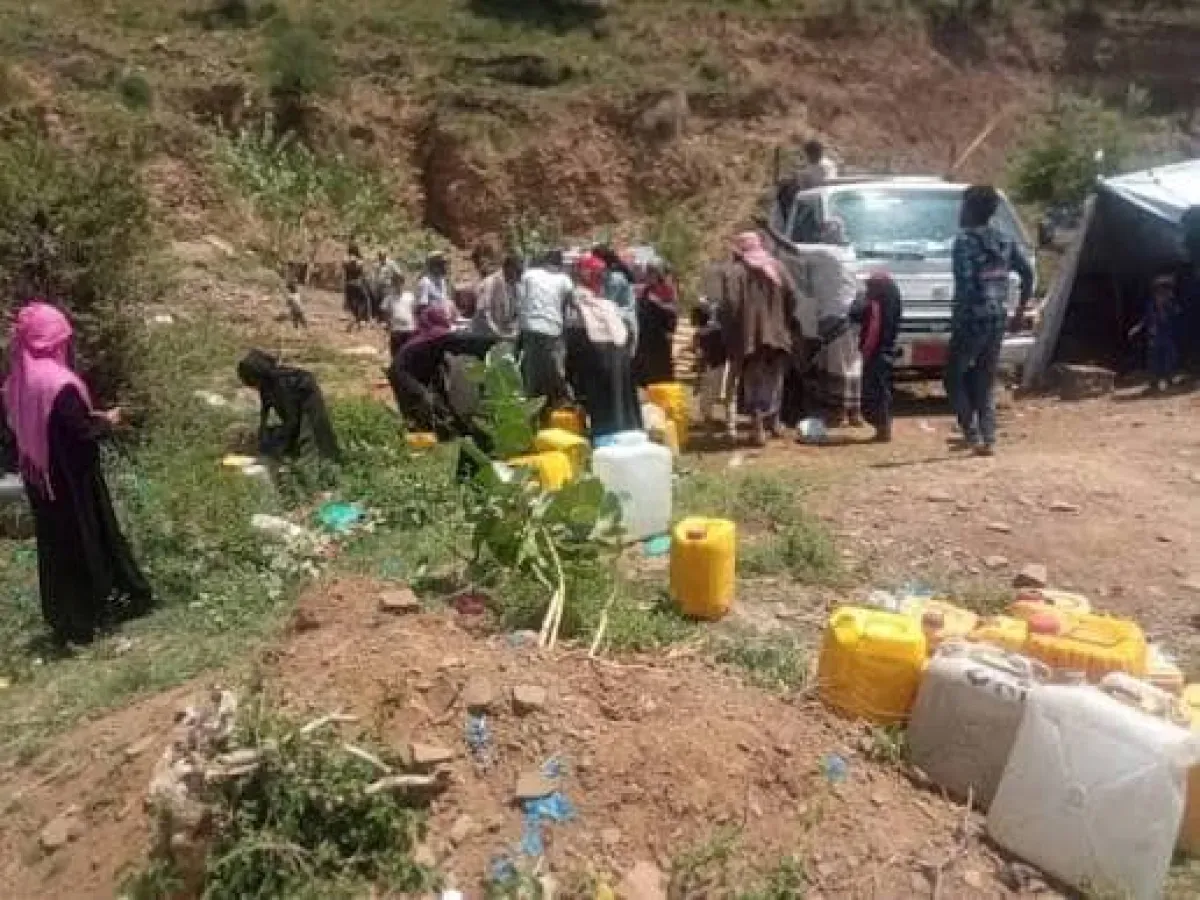
The siege of Taiz is not recounted from rooftops or behind checkpoints, but from within homes, at dining tables, and amidst empty plates awaiting sustenance. Mothers face a daily, agonizing question: what will I feed my children today? The measure of the blockade is not in the number of barriers or closed roads, but in the unserved meals, the hungry children, and the families forced to ration their food to last longer. The siege in Taiz is not news read from afar, but a story told from within homes, at dining tables, and among empty plates. The Houthi blockade on the city of Taiz has transformed from road closures into systematic economic strangulation. Essential goods have become scarce, prices have become unbearable, and income has become a nostalgic memory. The city, which once experienced a relatively normal daily life, is now a silent arena where life is managed through rations, waiting, and fear, with every small detail becoming a battle for survival. The impact of the siege extends beyond supply disruptions to the city's entire economy. Soaring prices for transportation, water, fuel, and basic commodities disproportionately affect poor families, the sick, and children. A family that once purchased a sack of flour at a certain price now pays double, while fuel becomes a rare commodity bought on the black market. Reports indicate that while the price of a 50kg sack of white flour temporarily decreased from 60,000 to approximately 50,000 Yemeni rials, it remains significantly higher than its pre-escalation price of 38,000 rials. The price of a gasoline canister on the black market surged from 30,000 to around 80,000 rials in just two weeks, before settling near 60,000 rials—nearly double the usual price—and is still largely unavailable. These figures do not merely describe price volatility; they narrate the story of families forced to choose between food, medicine, and water. A mother who once bought a sack of flour to feed her children now faces the agonizing choice of paying double or leaving them hungry. The collapse of income is also a direct consequence of the siege. Business closures, transportation disruptions, and market shutdowns cripple families' ability to earn a living, making the blockade a quintessential economic battle. Citizens report unprecedented increases in transportation costs due to fuel shortages and the closure of vital access points, rendering basic goods unaffordable for many amidst declining incomes and stalled businesses. This highlights the most dangerous facet of the Houthi blockade: not only have prices risen, but purchasing power has plummeted, creating a dual battle over prices and income. The story of the siege is not solely told through numbers but through firsthand accounts from within the city. Small traders watch their shelves empty, farmers struggle to water their land, mothers carry water gallons on their backs, and laborers search for fuel to reach their jobs—all embodying the human face of the blockade. Residents report extreme scarcity of vegetables following the military escalation and tightened Houthi siege, with prices doubling. Other traders note the near-absence of produce, such as garlic, which has been unavailable for four days, and sacks of flour occasionally reaching 60,000 rials but remaining largely unobtainable. These testimonies depict not just a shortage of goods but the gradual erosion of a city's capacity to feed its population. The economic collapse begins not in the market but on the road. The closure of Al-Dabab road, the city's sole complex and difficult land access for supplies, means trucks cannot reach their destination, goods do not enter, prices skyrocket, and incomes collapse. This closure represents the critical line between a semblance of normal life and an expanding economic and humanitarian crisis. The Houthi blockade is not merely a military event but a system of criminal Houthi practices and collective punishment against the residents of Taiz, targeting civilians by depriving them of daily necessities for survival. Food, fuel, and transportation have become instruments of pressure, used to suffocate the city, punish its inhabitants, and impose militia will at the expense of human life. This raises legal and human rights questions regarding the use of starvation and deprivation as tools of war. Denying the blockade justifies the crime; justifying it makes one complicit; and complicity is no less significant than bearing arms and killing children and women in Taiz. The story of Taiz is not just that of a besieged city, but of a community striving daily to remain humane despite the blockade. The markets that continue to open their doors, the traders who persist in selling despite shortages, and the laborers who continue to work despite fuel scarcity are all symbols of silent civilian resistance against a militia attempting to break the city's will. |