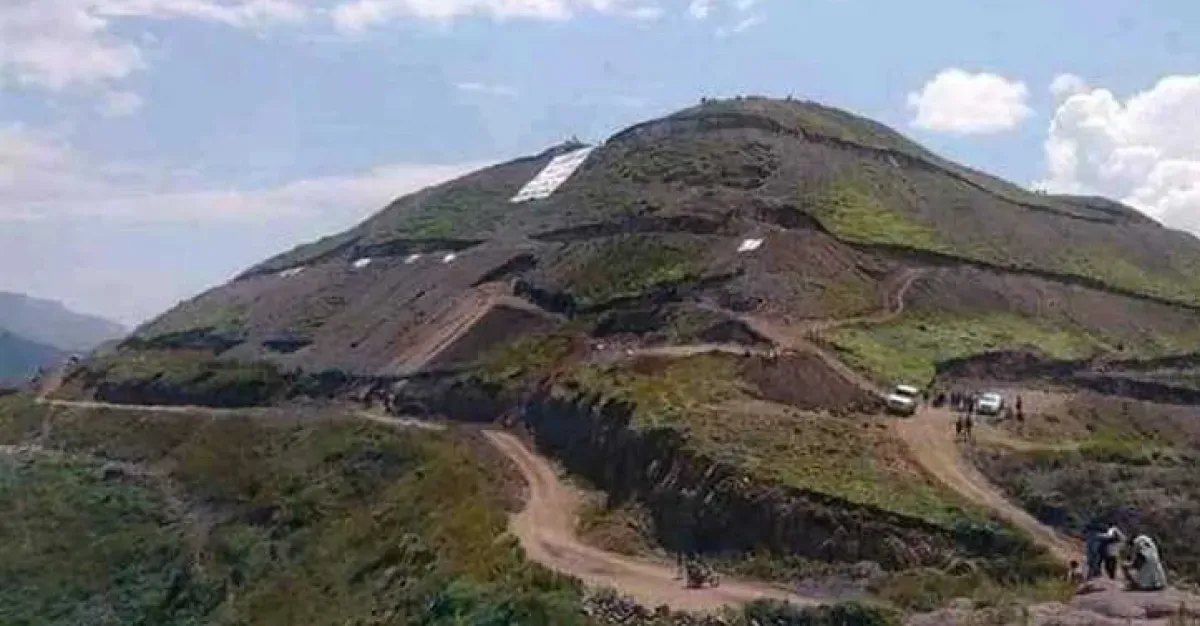
Allegations are mounting that Houthi leadership is complicit in the ongoing seizure and misappropriation of Waqf (endowment) properties in Yemen's Ibb Governorate, with influential figures allegedly converting land designated for religious and charitable purposes into construction sites. This trend occurs amidst escalating disputes and a perceived failure of relevant authorities to safeguard these assets. Influential individuals, reportedly under the protection of Houthi militia leaders, have resumed aggressions against Waqf lands in the city of Ibb. This latest incident is part of a broader pattern of land-grabbing targeting Waqf properties in the governorate, which has been under Houthi control since 2014. Local sources indicate that influential figures, accompanied by dozens of armed personnel, have recommenced their encroachment on Waqf lands in the Jabal Al-Mawram area, southwest of Ibb city. They have reportedly initiated unauthorized construction and development activities on the land, citing protection provided by Houthi officials, according to the sources. These sources further stated that Jabal Al-Mawram has been subjected to repeated encroachments and seizures by Houthi leaders and influential individuals over the past years. This has coincided with ongoing disputes between the Waqf office and local families over portions of the mountain's land, while attempts to assert control over disputed areas through force continue. The aggressions at Jabal Al-Mawram are not isolated incidents. They are part of recurring accusations against Houthi leaders and local influential figures for allegedly appropriating Waqf lands and properties across several districts in Ibb Governorate. These individuals are reportedly exploiting their political, security, and military influence to establish a de facto situation on public assets intended for religious and charitable purposes. Since the Houthi militia's takeover of the governorate in late 2014, Waqf lands have been vulnerable to encroachment and unauthorized development, according to local sources. This situation is exacerbated by the overlapping influence of militia leaders and the beneficiaries of these operations, along with what sources describe as the complicity or inability of concerned authorities to halt the aggressions and reclaim the properties. The gravity of these aggressions is amplified by the nature of Waqf assets, which are not ordinary real estate but are designated for charitable endeavors and public welfare as stipulated by their donors. The seizure or alteration of their intended use constitutes an infringement on the rights of beneficiaries and a depletion of an economic and social resource that should be subject to institutional management and oversight. Local sources point to a pattern of aggressions that extends beyond mere occupation of land to include the deployment of armed individuals and the undertaking of construction to create irreversible realities. The resumption of activities at Jabal Al-Mawram, with the involvement of armed escorts and ongoing construction, raises questions about the role of the Waqf office and relevant authorities in protecting public property, and the capacity of local institutions to confront aggressions when those involved are linked to influential militia figures. The persistent disputes over the mountain's lands also fuel concerns that ownership and usufruct conflicts could be exploited as a pretext for further land seizures, particularly given the imbalance of power and the absence of effective judicial and administrative measures to protect Waqf rights and disputing parties. The potential repercussions of Waqf property misappropriation extend beyond the loss of land and real estate. They include the deprivation of beneficiary organizations and projects from their rightful income and the reduction of resources that should be channeled into charitable and service activities. Furthermore, it erodes confidence in the institutions responsible for managing these assets. This situation is particularly dangerous in an environment where oversight and accountability are diminishing, and where influential figures are accused of leveraging their authority to shield perpetrators rather than enabling specialized bodies to recover lands and hold those involved accountable. These developments place the Waqf office and concerned authorities under an obligation to disclose the extent of Waqf lands and properties subjected to encroachment in the governorate, outline the measures taken for their protection, and clarify the status of reports and cases related to these aggressions. It is also imperative to identify the entities and individuals benefiting from these seizures. As aggressions at Jabal Al-Mawram continue, Waqf properties in Ibb remain vulnerable to further depletion, underscored by the persistent influence of armed individuals and powerful figures, and the lack of concrete guarantees to prevent the conversion of endowed assets into private property seized by force. |