Houthi War Economy: How Rebels Fund Conflict from Yemeni Pockets Amid Sanctions
|
3 hours ago
A-
A+
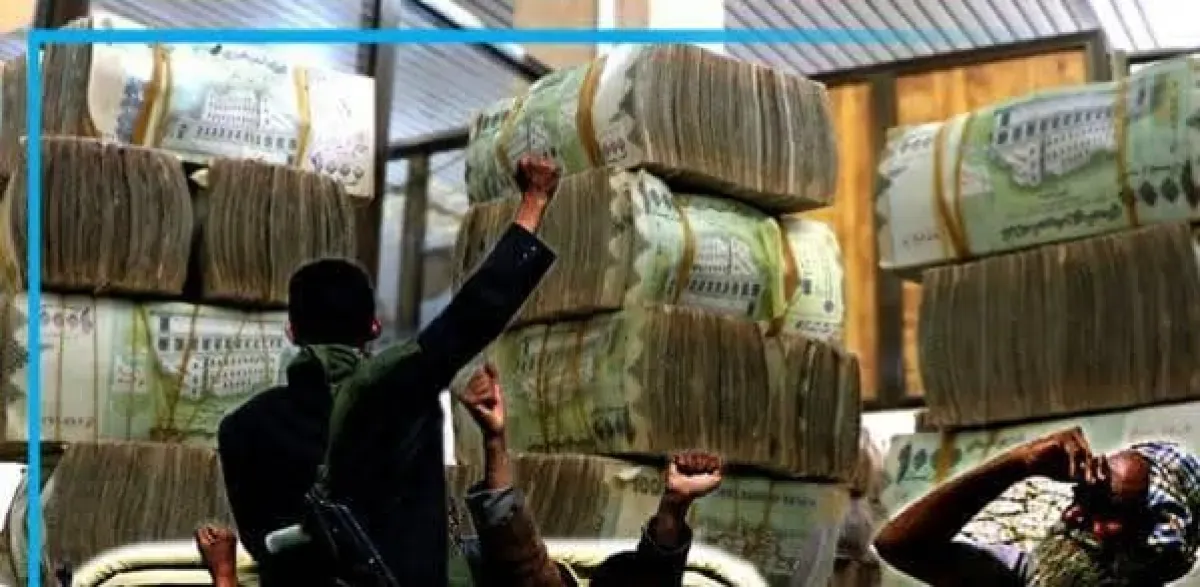
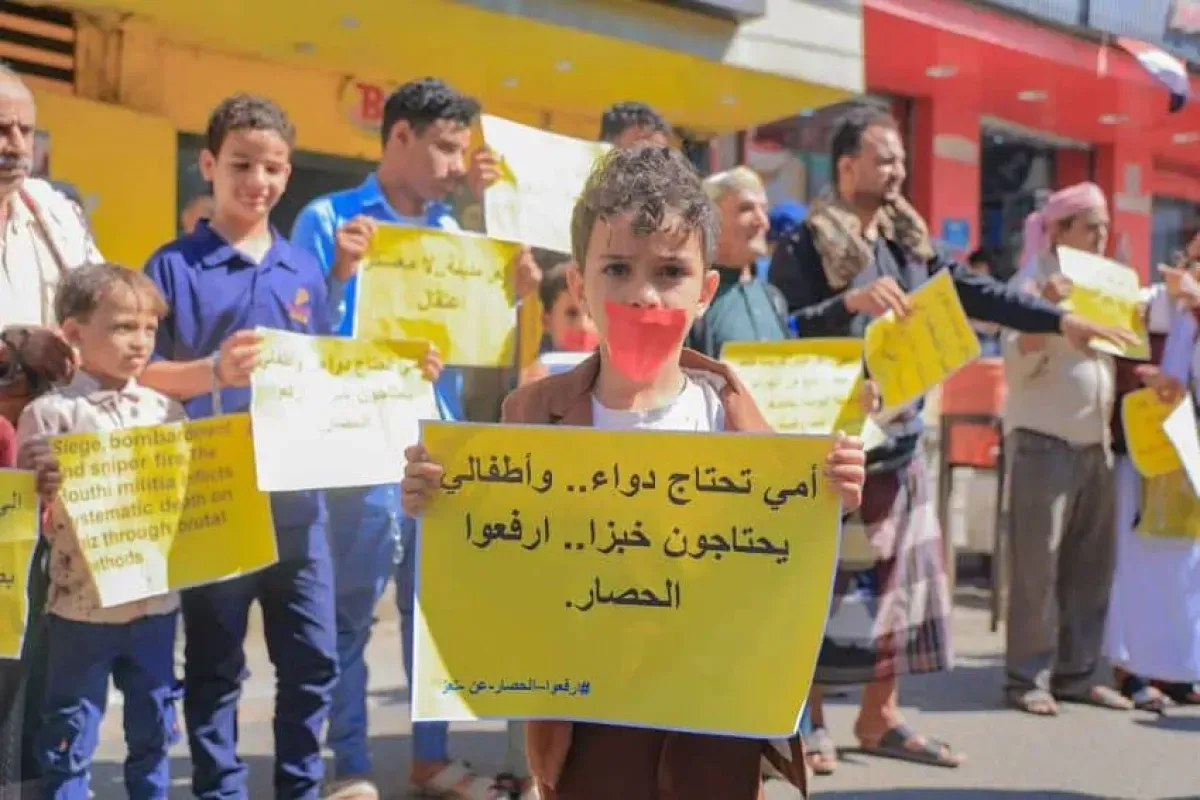
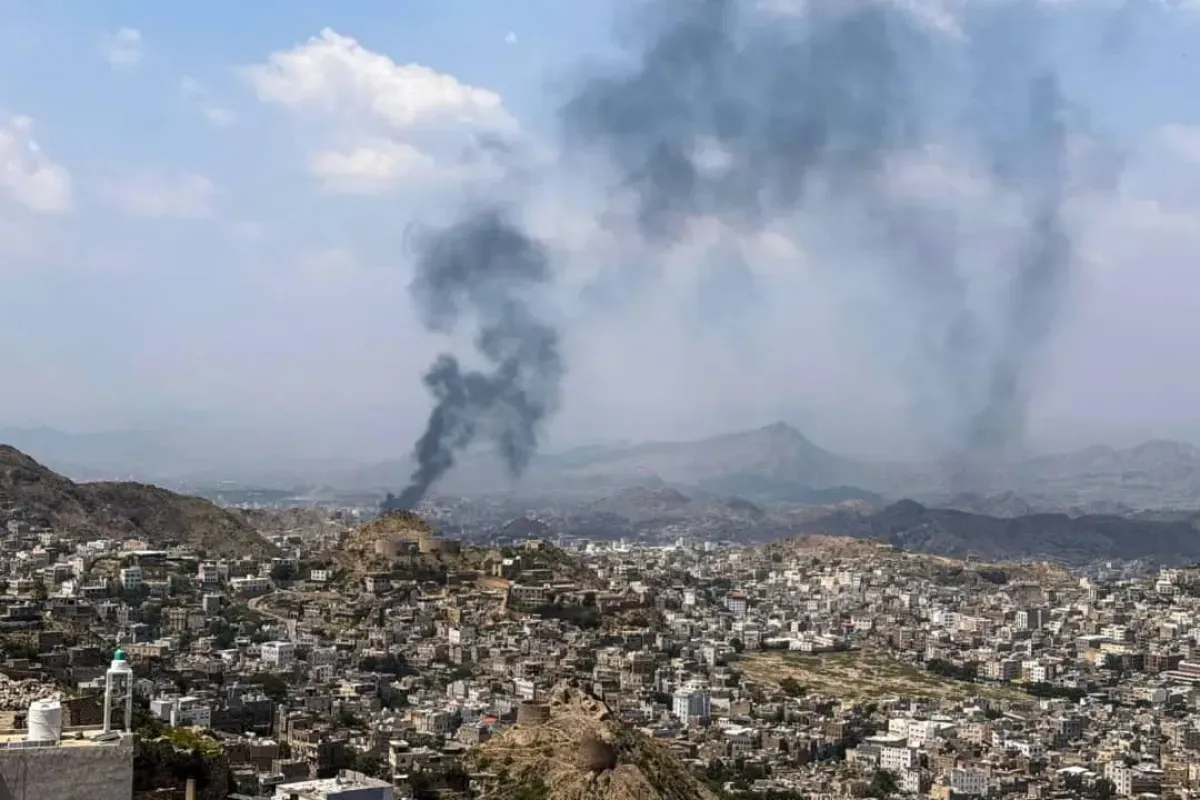
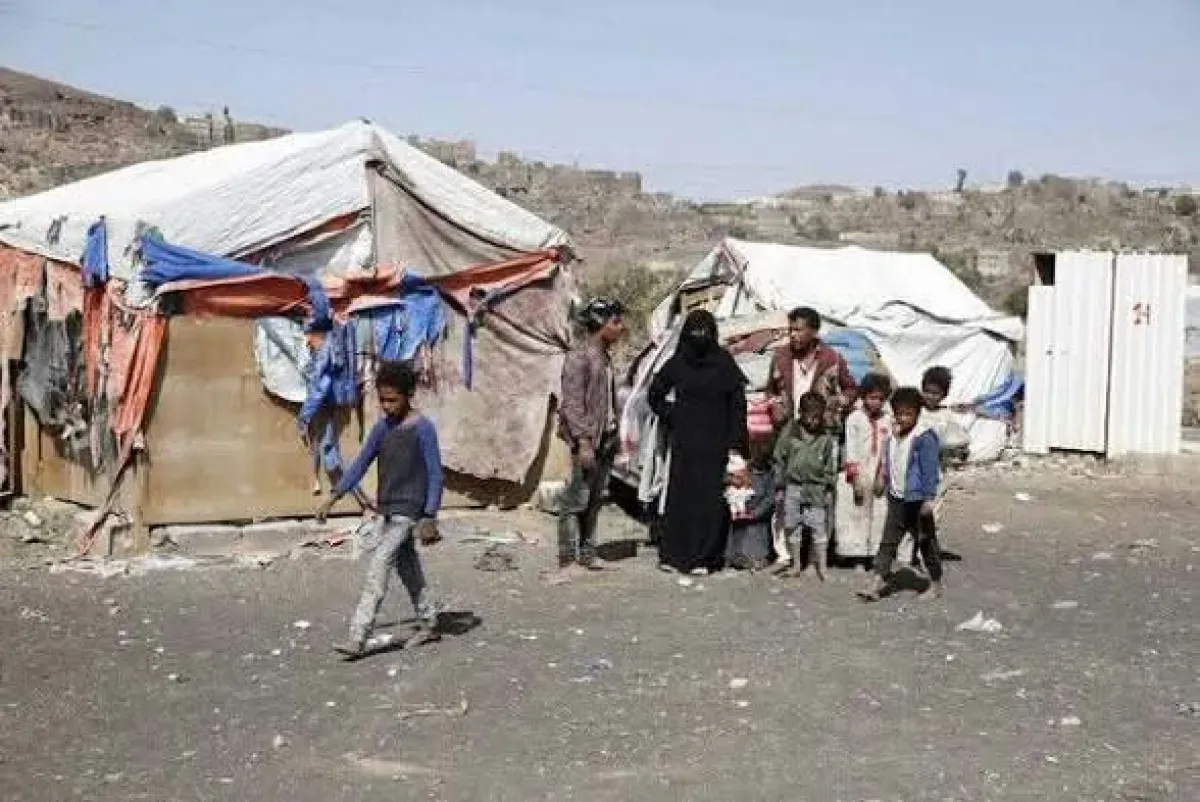
The Houthi movement has established a comprehensive parallel economic system that transforms markets, ports, exchange bureaus, and fuel into sustainable sources of funding for their ongoing conflict. Recent reports estimate this system generates approximately $2.5 billion annually, while millions of Yemeni employees are denied their salaries and hunger intensifies in rebel-controlled territories. Beyond military control, the Houthis have erected a parallel financial and administrative structure that directly oversees trade, imports, fuel, currency exchange, and shipping. Each stage of the supply chain has been repurposed as a revenue collection point. According to a study by the Al-Makhad Studies Center published in July 2026, which analyzed approximately 68,000 commercial registrations and licenses between 2014 and 2025, the militia has favored companies linked to its leaders, granting them preferential treatment in licenses and tenders. In return, these entities impose taxes, fees, and levies on the rest of the private sector. Fuel represents the most significant financial artery for the militia. A UN expert panel estimated that the Houthis collected approximately 994 billion Yemeni Rials, equivalent to $4.2 billion, in customs duties on fuel imports through ports under their control between April 2022 and June 2024. This total rises with additional margins and fees to around 1.34 trillion Rials. Furthermore, the U.S. Treasury Department accused the militia in January 2026 of generating over $2 billion annually from the sale of smuggled oil, channeling revenues through complex financial networks that include exchange houses and digital currencies. The militia has imposed sales taxes on daily consumer products, particularly cigarettes and fuel, in addition to fees on imports, shipping, and customs clearance. This effectively forces citizens to fund the war through every purchase. Analysis published by the Saudi Magazine, based on licensing records, indicated that customs and tax revenues collected in Houthi-controlled areas reached approximately $1.17 billion in 2023 alone, while the Zakat authority's revenues surged to about $667 million in the same year. The Houthis established the General Authority for Zakat in 2018, granting them complete control over Zakat collection, management, and allocation, including its diversion to the war effort, according to a 2023 UN expert panel investigation. This has deprived local authorities and charitable organizations of an estimated $865 million annually. The militia has also expanded the use of "Khums" (a religious levy) and war effort fees as additional collection tools imposed on individuals and companies, transforming religious tenets into instruments of financial pressure and economic conscription. The militia has exerted control over the currency exchange and remittance sector, imposing restrictions on foreign currency sales while continuing to purchase it from citizens. This has raised concerns about the resurgence of speculation and the deterioration of purchasing power. A stark disparity is now evident between controlled areas: the dollar trades at approximately 535 Rials in Sana'a compared to 1,556 Rials in Aden, and the Saudi Riyal at 140 Rials in Sana'a versus 410 in Aden, reflecting a deep economic division managed by the militia to its advantage. In contrast, approximately one million government employees have been deprived of regular salaries for years, while collected resources are directed towards funding the war effort and ideological activities rather than essential services. Red Sea ports under militia control have also deteriorated, with estimated losses of around $1.4 billion and a 73% decrease in fuel imports between January and May 2026 compared to the previous year, exacerbating the energy, transport, and industrial crises. These figures demonstrate that the Houthis have not relied solely on external support but have built a state within a state that finances itself from the pockets of citizens, merchants, and importers, transforming every liter of fuel, pack of cigarettes, and currency exchange into a conduit for war. This model explains the militia's resilience despite sanctions and blockades, and why dismantling this financial system, not just military fronts, is key to the priorities for overthrowing the militia and restoring state institutions. |