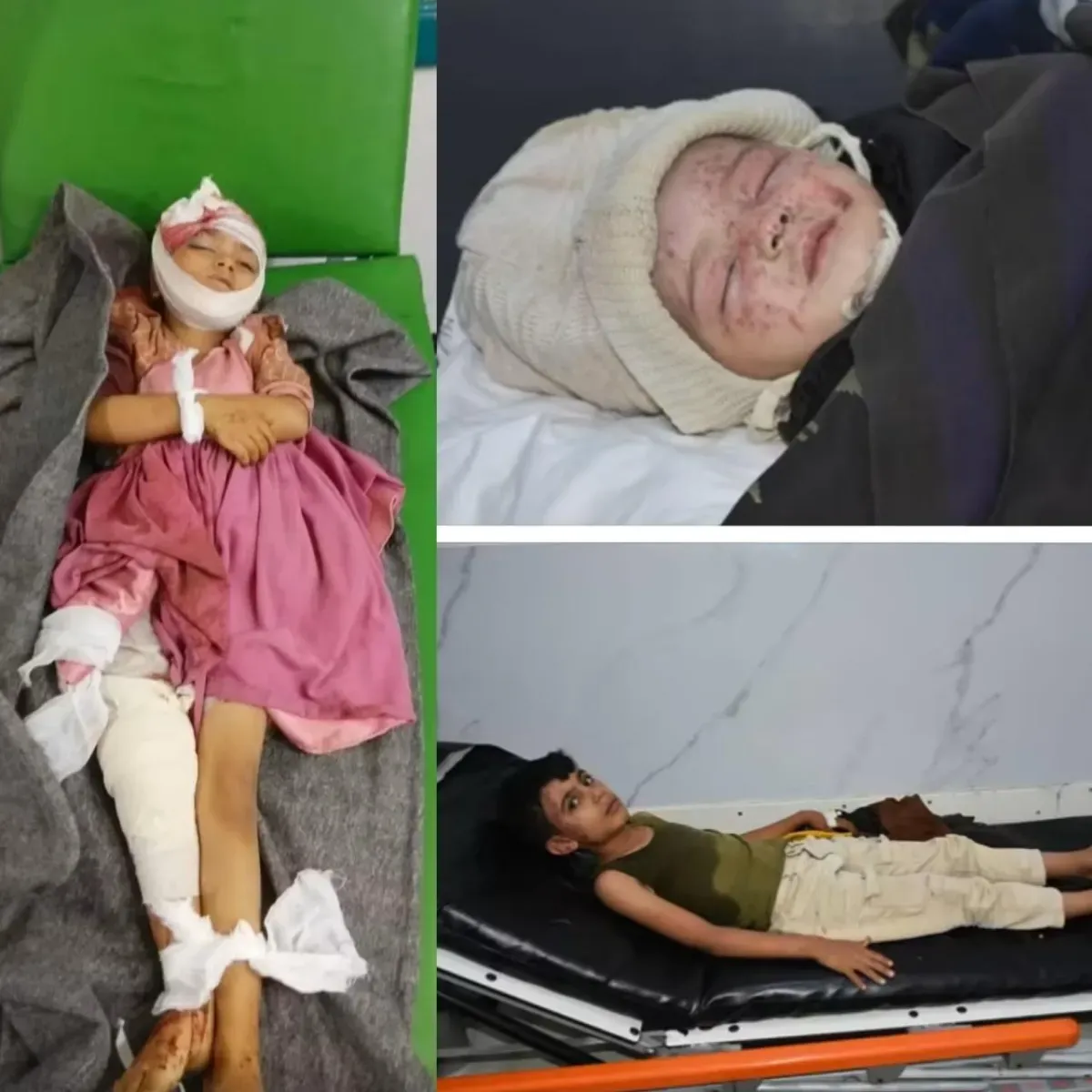
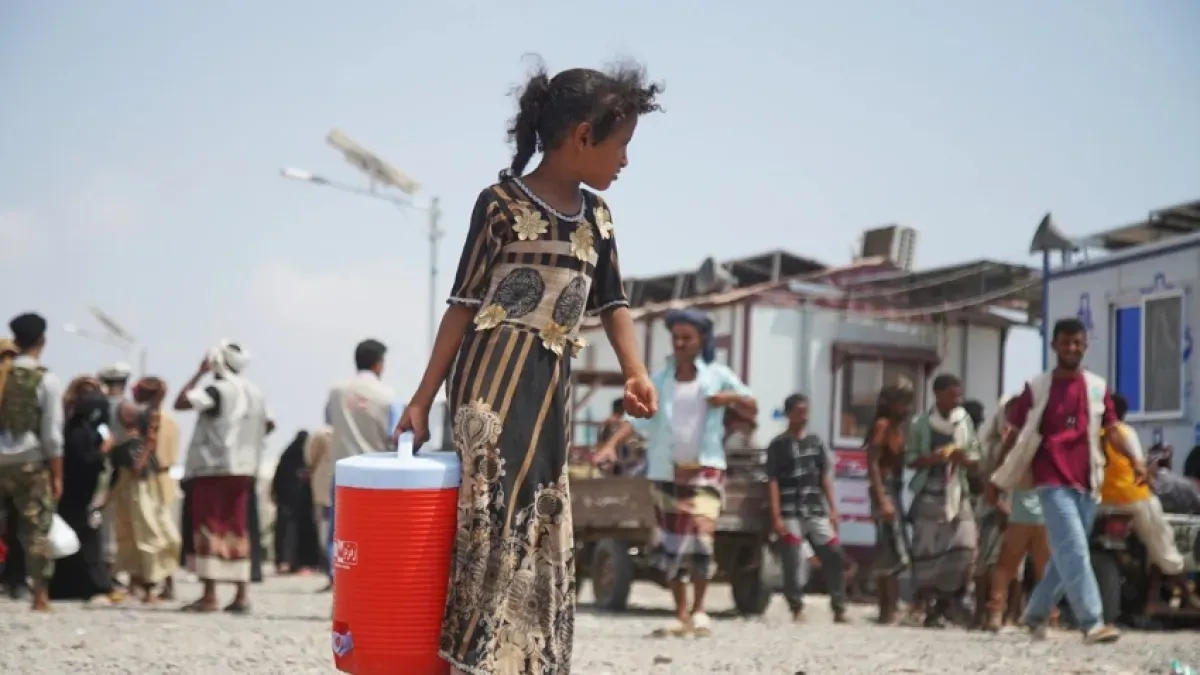
The city of Taiz is facing a deepening humanitarian crisis as Houthi militias tighten their siege, disrupting vital supply routes amidst escalating military confrontations. This situation has prompted United Nations warnings of severe threats to civilian life, characterized by increasing shortages of food, fuel, water, and medicine, and a critical decline in hospital capacity. After years of restrictions on civilian and commercial movement, the blockade has re-emerged with heightened severity in October, paralyzing traffic and supply chains via main roads. This has exacerbated the suffering of residents and driven up prices for remaining goods. Laurent de Boeck, the UN Humanitarian Coordinator for Yemen, warned in a statement on October 20th that road closures and insecurity are preventing essential supplies from reaching the city and surrounding areas. He emphasized that prices for available food and fuel have more than doubled, while the city's water production has halved. The repercussions of the blockade extend beyond restricted movement, disrupting daily life. Fuel shortages are impacting transportation, water pumps, and electricity generators, while the cost of transporting essential goods has surged. According to the Associated Press, over two million people in Taiz are experiencing reduced access to drinking water due to blocked access to nearby wells and restricted movement of water tankers. Families are forced to ration consumption amidst soaring costs for transported water. The healthcare sector is particularly devastated. The UN has cautioned that shortages of fuel, medical oxygen, medicines, and essential supplies threaten the continuity of health services, including surgeries, emergency care, intensive care, dialysis, and maternal and neonatal care. A UN briefing in Geneva indicated that 42 health facilities in Taiz reported critical supply shortages, with hospitals and ambulances requiring over 156,000 liters of fuel monthly. The lack of fuel also jeopardizes oxygen production, emergency patient transport, and the cold chain for vaccines, while humanitarian organizations' stockpiles dwindle. The risks are amplified for vulnerable populations, including premature infants requiring incubators and patients with chronic conditions like kidney failure and cancer, as well as those needing urgent medical intervention. With irregular supply access, hospitals' operational capacity depends on existing reserves, making replenishment from outside the city exceptionally difficult. This crisis unfolds in a governorate already grappling with extensive health and food needs. UNICEF reported examining over 168,000 children in Taiz this year, identifying more than 52,000 with severe acute malnutrition, including over 11,500 with severe and critical acute malnutrition. The intensified military escalation across Yemen since August has coincided with the city's blockade, triggering significant displacement. UN data reported by Anadolu Agency on October 22nd indicates over 260,000 internally displaced persons nationwide. The UN has documented 251 civilian casualties, including 57 deaths and 194 injuries, with children constituting half of the fatalities. Taiz bears a substantial burden, receiving displaced individuals from frontlines while its markets and essential services struggle to meet the needs of both displaced and local populations. The influx strains demand for food, water, shelter, and healthcare, compounding the daily struggles of residents. UN reports warn that continued road disruptions will impede humanitarian organizations' ability to deliver aid to the most vulnerable. The World Food Programme announced on October 14th that approximately 800,000 individuals have been cut off from life-saving assistance due to intensified fighting and restricted humanitarian access in Taiz and other regions, raising concerns of a widening food gap if supplies are not resumed safely and regularly. The humanitarian crisis is inextricably linked to the military escalation in Taiz, with residential areas subjected to shelling amidst ongoing clashes. In a recent incident reported by the Associated Press, a Houthi rocket attack on a residential neighborhood killed two girls and injured six people, exacerbating the impact of the blockade-induced shortages and price hikes. Previous human rights reports have documented indiscriminate shelling of residential areas, civilian casualties, abductions, home raids, and property damage. The Yemeni Network for Rights and Freedoms has also recorded violations including civilian deaths, injuries, shelling of populated areas, and recruitment of youth, including from marginalized groups. International calls for opening roads and allowing essential supplies into Taiz have intensified amid the worsening crisis. On October 14th, the European Union urged Houthi militias to lift the blockade and permit the entry of food, water, medicine, and fuel, stressing the need to protect civilians and civilian infrastructure and enable humanitarian partners to deliver aid. The UN Humanitarian Coordinator also called for immediate safe passage for commercial goods, food, medicine, and humanitarian aid, warning that continued restrictions could lead to increased deaths from hunger, preventable diseases, and treatable injuries. He underscored the imperative to protect civilians and civilian facilities and respect international humanitarian law. In a parallel action, the Yemeni diaspora, including academics, human rights advocates, and media professionals from Belgium and the Netherlands, held a protest outside the European Parliament in Brussels under the slogan "Lift the Siege on Taiz – Stop the Houthi Threat." Participants urged EU institutions to take concrete measures to end the blockade, permanently and safely open main crossings, and facilitate the movement of civilians and the delivery of medical aid and supplies. The protest's statement called for moving beyond condemnation to tangible actions protecting residents and holding perpetrators accountable under international law. The Yemeni Ministry of Human Rights stated on October 12th that declared road openings do not signify the end of the blockade if civilian movement and essential supply shipments remain practically impossible. The ministry emphasized that lifting the blockade should be measured by safe freedom of movement and actual access to food, medicine, and fuel for residents, not merely statements about reopening roads. Recent developments indicate that the crisis in Taiz transcends road closures and movement restrictions, now threatening the entire fabric of daily life, from water supply and hospital operations to securing food, fuel, and maintaining essential services. With dwindling local reserves and stalled supply chains, impoverished families, the sick, children, and displaced persons are the most vulnerable to the crisis's consequences. The ongoing blockade presents the international community with a challenge that demands more than statements; it requires ensuring the actual and sustained opening of roads, securing the passage of civilians, goods, and aid, and preventing the use of essential needs as leverage in the conflict. Urgent humanitarian action is also needed to supply hospitals with fuel, oxygen, and medicine, support water systems, and provide food and cash assistance to families whose ability to cope with soaring prices has been eroded. Amidst UN warnings, European appeals, and Yemeni protests abroad, the immediate priority remains preventing the collapse of life-saving services in Taiz and ensuring that civilians do not bear the cost of military escalation and supply route closures. Each day of delayed supplies increases the risks for patients, children, and besieged families, making the resolution of the humanitarian crisis more difficult and costly. |