Yemen Rights Network Documents 95 Houthi Violations in Taiz, Over 50 Civilians Casualties
|
1 hour ago
A-
A+
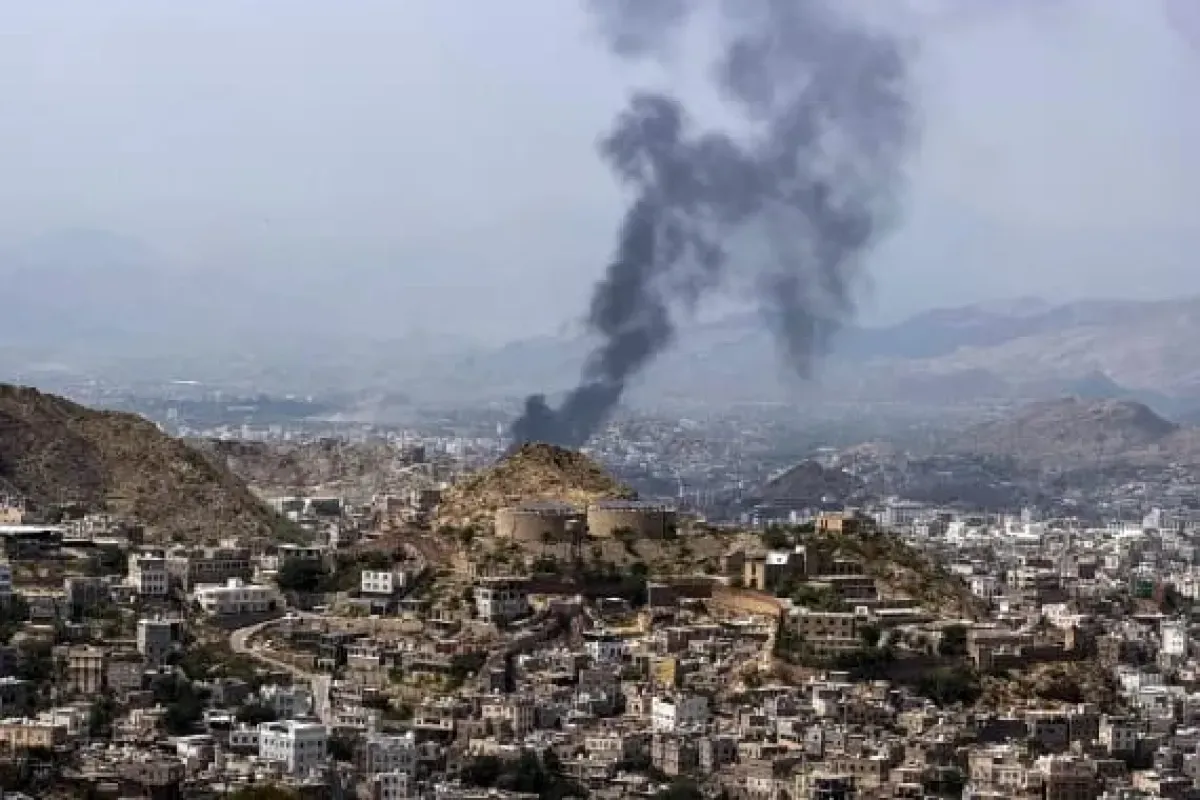
The Yemeni Network for Rights and Freedoms has documented 95 violations and the firing of approximately 218 projectiles by Houthi militias in Taiz governorate within a 24-hour period, resulting in the deaths and injuries of over 50 civilians. The report highlights a significant escalation that exacerbates the suffering of civilians already contending with a blockade and restrictions on essential supplies and movement. According to a statement released on Thursday, the network reported that the violations led to the death of 23 civilians, including two women, three children, and an infant. An additional 29 individuals were injured, among them seven women and four children. The network also documented the abduction of 11 people, who were reportedly taken to unknown locations. The documented damages include the raiding of approximately nine homes in the Jabal Habashi district, with 12 other residences sustaining damage, six of which were completely destroyed. Furthermore, nine civilian vehicles were reportedly damaged. The Houthi shelling and sniping targeted various areas within Taiz governorate, including specific locations in the Sabr Al-Mawaseer, Al-Masrakh, Al-Aqroodh, and Dabba districts, as well as neighborhoods in the city and other districts like Al-Ta'ziyah and Jabal Habashi. Attacks reportedly utilized mortar shells, artillery, Grad rockets, and drones. The network also received reports of the use of gas bombs, suspected to be tear gas, in the Asayferah neighborhood, though the nature of these substances requires further technical verification. In a separate incident, an ambulance was targeted by a drone while evacuating casualties from a sponge factory bombing site, resulting in injuries to the accompanying doctor and the destruction of the vehicle. The network warned that targeting medical teams and the scarcity of medicines and medical supplies increase the risk of death and permanent disability. The report further detailed the storming and looting of the Al-Aqsa Association headquarters in Al-Turbah city, Shamaiteen district. Sniping incidents against vehicles and pedestrians were also reported on the Houtan and Al-Awath road, connecting Al-Arous to Taiz city, originating from a position in the Sanamat area. Residents from several affected areas issued distress calls for an immediate cessation of shelling and the safe evacuation of the injured. The network cautioned that the humanitarian situation is likely to worsen due to the ongoing siege and restrictions on access to food, fuel, and medicine. The shortage of fuel, cooking gas, food supplies, and medical necessities threatens the operational capacity of hospitals already treating casualties from the shelling. The report highlighted the critical risks faced by cancer and kidney failure patients, who rely on consistent medication and treatment sessions, as well as vulnerable groups including children, women, and the elderly. An urgent humanitarian and health intervention was called for to support medical facilities and facilitate the transfer of critical cases. The network emphasized that targeting civilians, homes, civilian infrastructure, and medical personnel, alongside abductions, detentions in unknown locations, and the recruitment of child soldiers, may constitute grave breaches of international law. It called for an independent investigation into these incidents to determine responsibility, noting that certain actions could amount to war crimes or crimes against humanity if their legal elements are established. The Yemeni Network for Rights and Freedoms urged the international community and the United Nations to intervene to protect civilians, halt attacks on residential areas and health facilities, lift restrictions on the movement of people and supplies, and ensure the opening of roads for the safe and sustainable delivery of food, medicine, fuel, and cooking gas. The network also called for urgent support for hospitals, emergency supplies, cancer treatments, and dialysis services, in addition to facilitating the transfer of critically ill patients and supporting independent documentation of violations and accountability for perpetrators. |