


Yemen's Financial Battle Stalled by Regional Politics and International Hesitation
|
5 hours ago
A-
A+
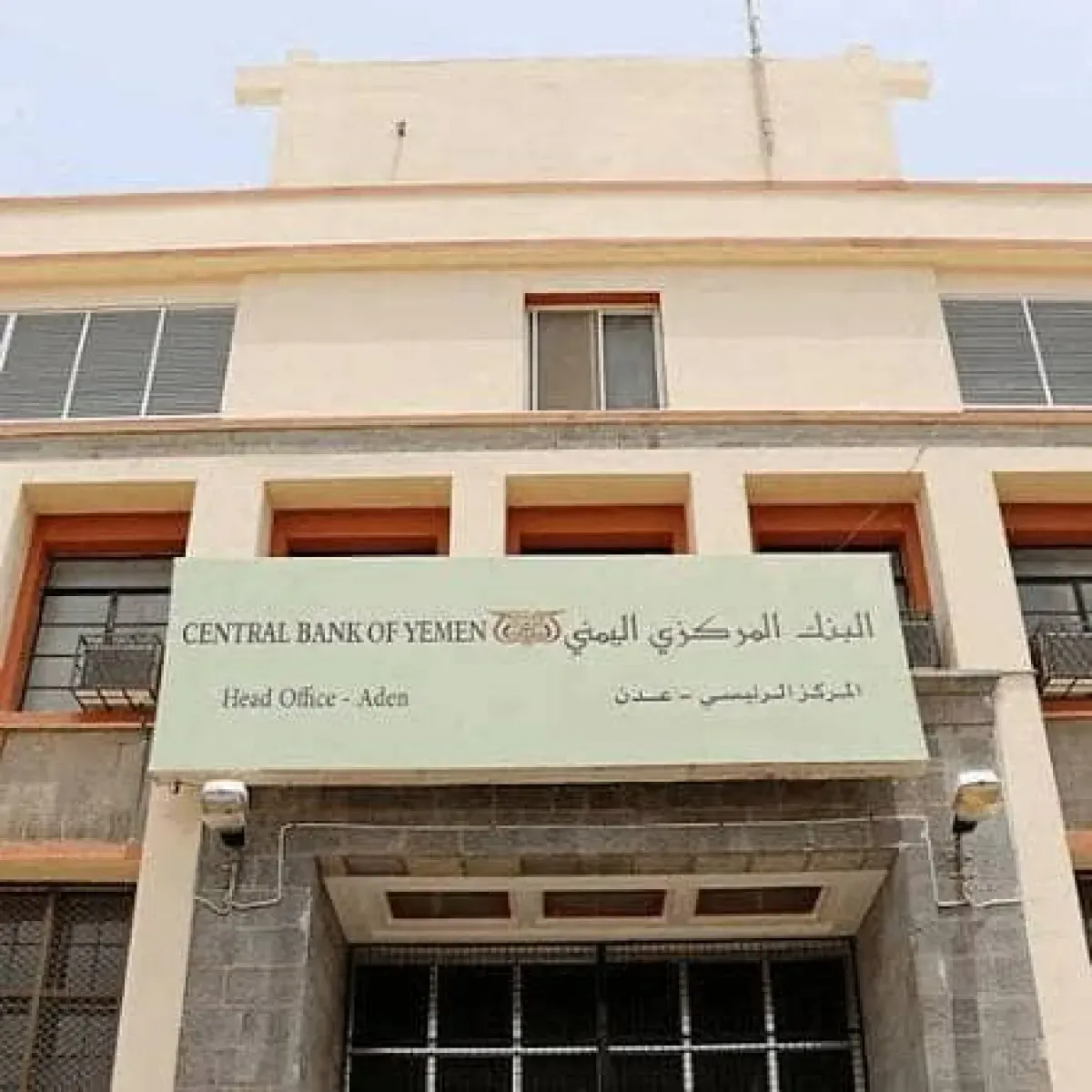
Yemen's internationally recognized government has faced significant setbacks in its efforts to exert financial control over the country, with strategic decisions being curbed by complex regional political calculations and international humanitarian concerns. A crucial move to sever the Houthi-controlled banking sector from international financial systems was reversed under pressure, hindering the legitimate government's ability to weaken the insurgent group. In mid-2024, the Yemeni government in Aden enacted decisive measures, including cutting off access to the SWIFT international banking system for banks refusing to relocate to the interim capital. Additionally, it aimed to invalidate older currency denominations used by the Houthi militia to enforce monetary division. However, these actions were unexpectedly rescinded, citing understandings and de-escalation efforts fostered by the United Nations and significant regional pressure. The central bank's decisions, particularly Resolution No. 20 of 2024, were intended to disrupt the Houthi militia's financial infrastructure by halting dealings with six major commercial banks operating under their control. This move was designed to deprive the militia of control over substantial monetary assets, cut off funding for military activities and money laundering, and prevent the confiscation of opposition assets. The Houthi militia responded with military threats against vital infrastructure in neighboring countries, leveraging regional powers' desire for a de facto truce to secure their logistical routes. Under escalating regional pressure and intense diplomatic efforts from the UN Special Envoy's office, the Presidential Leadership Council was compelled to retract the banking resolutions in July 2024, ostensibly to allow the UN roadmap a chance to succeed. This retreat not only deprived the legitimate government of a key leverage point but also provided the Houthi movement with breathing room to restructure its financial operations with implicit immunity. International and regional diplomacy concerning Yemen is characterized by caution, with the international community viewing a comprehensive financial and banking blockade as a potential Pandora's Box that could exacerbate the already dire humanitarian crisis. UN and international reports consistently argue that stifling the banking sector in Sana'a would paralyze the import of essential goods like food and fuel to northern ports, potentially leading to widespread famine. However, economic indicators suggest the Houthi militia exploits these humanitarian concerns as a cover for plundering the banking sector and seizing billions in UN aid. Official statistics indicate the militia has systematically confiscated bank assets and even detained UN staff, yet the international community's response has been limited to condemnatory statements, while exerting counter-pressure on the legitimate government to prevent it from employing sovereign tools to protect the Yemeni economy. The economy in areas controlled by the legitimate government faces severe challenges following Houthi drone attacks on oil export terminals in Hadramout and Shabwah in late 2022. These attacks deprived the government of over 60% of its sovereign revenue, forcing reliance on deposits and temporary regional aid for salaries and essential services. In an attempt to avert collapse, the Yemeni government and the Supreme Budget Committee approved an ambitious financial plan for 2026, estimating expenditures at 4.8 trillion Yemeni riyals. However, implementing this budget has been complicated by internal political disputes within the legitimate government, particularly regarding the mechanisms for remitting provincial revenues to the central bank in Aden. These logistical and political divisions have weakened the government's economic front, diminishing its capacity to impose economic conditions in future negotiations. The reality on the ground indicates that the legitimate government's reluctance to tighten financial pressure on the Houthis is not a strategic choice but a result of complex constraints shaped by regional political considerations and the international community's hesitancy, which fears a comprehensive military escalation more than the Houthi militia's expansion and the destruction of state institutions. The continuation of the current situation, with the financial leverage neutralized, does not serve the prospects for sustainable peace. Instead, it grants the Houthi militia an ongoing tool for unconditional financing and cross-border blackmail, while the Yemeni people, in both the north and south, bear the cost of this inaction through their daily sustenance and the collapse of their national currency. |