


Houthi Agricultural Destruction Triggers Yemen's Water Crisis
|
8 hours ago
A-
A+
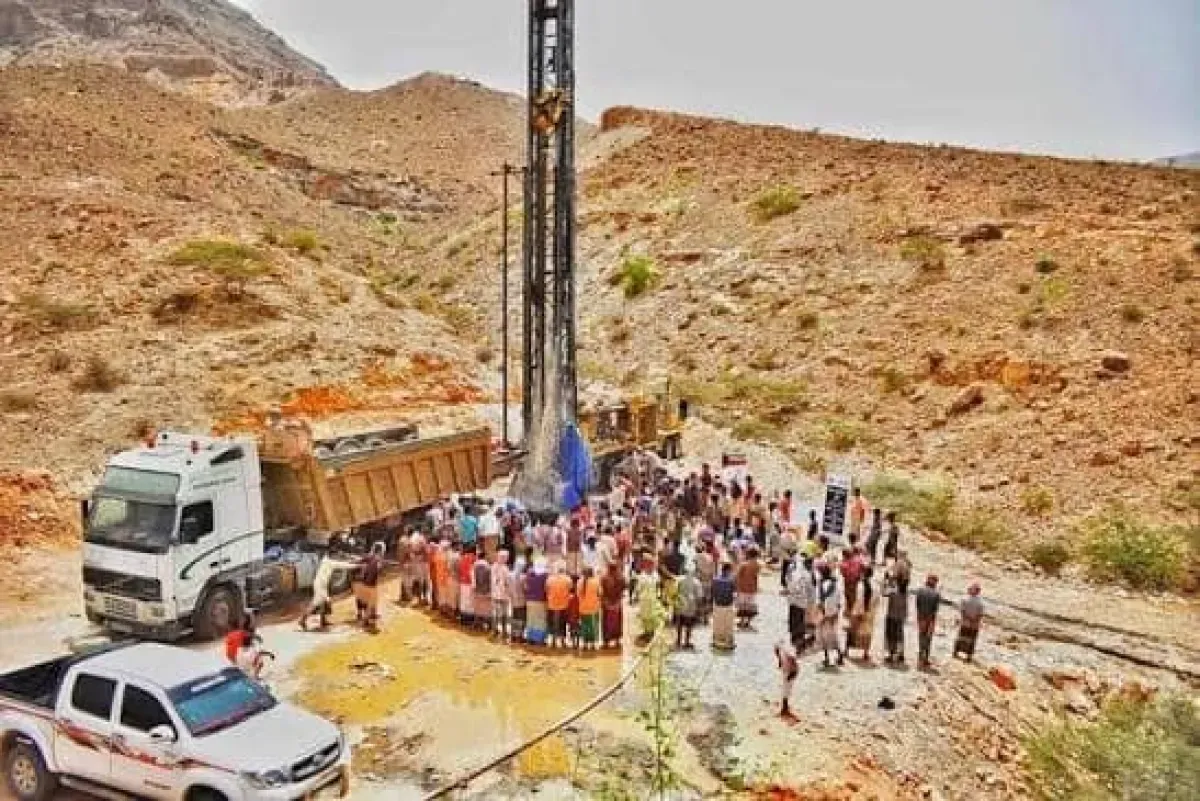
The Houthi militia's actions have exacerbated Yemen's dire humanitarian and water crisis by imposing arbitrary restrictions on farmers, destroying the agricultural sector, and prioritizing the cultivation of the water-intensive qat crop, threatening the nation's future water security. Recent developments reveal that the Houthi militia has implemented severe and unjust restrictions and bans on farmers cultivating essential crops and produce in the Tihama, Sana'a, and Amran plains. These measures, far from being mere financial levies, are systematically designed to deplete groundwater resources and decimate the agricultural sector to expand qat farms controlled by influential Houthi leaders. This policy poses a grave threat to Yemen's water future. In recent months, the militia has intensified its oppressive actions against farmers of essential fruits and vegetables. Through the so-called "Supreme Agricultural and Fisheries Committee," they have imposed an unjustified ban on inter-provincial transport and marketing of agricultural products, demanding exorbitant customs duties and taxes under the guise of supporting the war effort. This internal blockade has led to the spoilage of hundreds of tons of essential crops, causing severe financial losses for farmers and forcing many into bankruptcy and abandonment of their ancestral lands. Conversely, the militia has actively encouraged qat cultivation and the arbitrary, unlicensed drilling of wells for its influential leaders. Agricultural lands previously used for wheat, corn, and fruits in Tihama and the Sana'a basin are being forcibly converted into vast qat fields. Qat offers rapid, substantial profits that fund the militia's military apparatus, while the Yemeni population faces widespread famine and dependence on foreign aid. Yemen is confronting an unprecedented geological and water catastrophe due to the unchecked depletion of its water resources. Reports from the Food and Agriculture Organization of the United Nations (FAO) indicate an annual water deficit that exceeds critical levels, with groundwater being extracted at a rate far exceeding natural replenishment. Qat cultivation, heavily supported by Houthi supervisors, is the largest consumer of groundwater in Yemen, accounting for over 30% of the total water used in the agricultural sector. Geological sources within the General Water Corporation in Sana'a have documented the drilling of over 3,500 deep, arbitrary wells by Houthi leaders in Sana'a, Amran, Dhamar, and Sa'dah provinces over the past two years, disregarding environmental regulations. This rampant drilling, protected by armed force, has led to a dramatic and accelerated drop in groundwater levels and the drying up of hundreds of shallow wells previously relied upon by traditional farmers for their crops. This trend portends the transformation of these fertile basins into barren, uninhabitable deserts within a few years. Official and human rights statistics highlight the environmental and economic crime perpetrated by the militia in the areas under its control. Qat consumes approximately 800 million cubic meters of water annually, a quantity sufficient to meet the water and food needs of Yemen's entire population. The production of staple food crops and vegetables in Houthi-controlled regions has plummeted by over 40% due to farmer suppression, soaring black market diesel prices, and water scarcity. The World Bank reports that the Sana'a basin is threatened with complete drought, with groundwater levels in some areas dropping to alarming depths of over 400 meters below the surface due to the directed expansion of qat cultivation to replenish militia coffers. The Houthi war on fruit and grain farmers and the depletion of groundwater are not indicative of mismanagement but rather a deliberate policy to entrench poverty and starvation. The militia understands that transforming society into consumers of qat, often contaminated with prohibited and smuggled chemical pesticides overseen by Houthi leadership in Sana'a, ensures a permanently sedated, dependent population and destroys any prospect of food self-sufficiency for Yemen. Thousands of farming families in Tihama and rural Sana'a face forced migration and displacement to cities after their wells dried up and their lands were confiscated under the pretext of an inability to pay Houthi taxes, dismantling the social and productive fabric of rural Yemen and turning productive farmers into cheap labor or conscripts. The prohibition of marketing food crops and the unrestrained water exploitation through the qat cartel expose the nature of this illegitimate regime, which thrives on crises and undermines future stability. Continued international and human rights silence on this systematic geological and water degradation amounts to a death sentence by thirst for future generations. It is imperative for all national forces to protect water and agricultural resources as a non-negotiable Yemeni national security issue. |