


Houthi Regime Frees Convicted Criminals for Frontline Deployment Amidst Recruitment Crisis
|
6 days ago
A-
A+
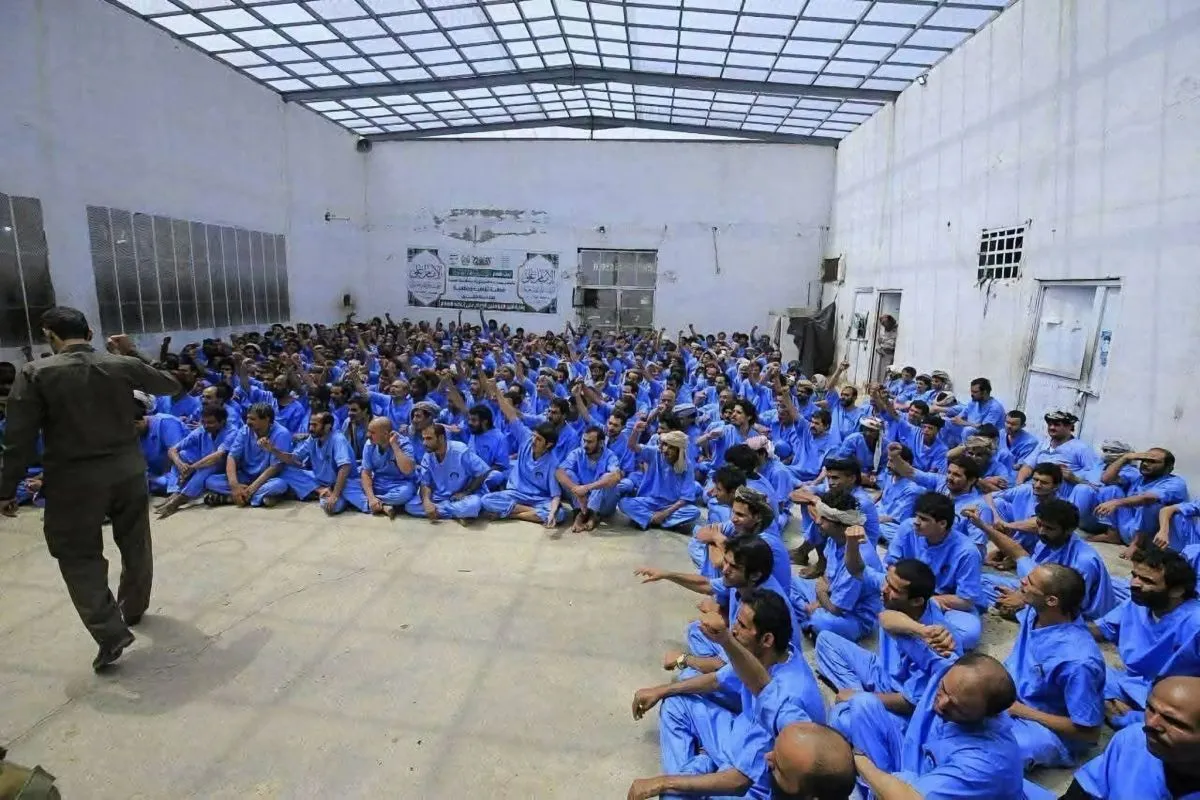
The Houthi militia is reportedly facing a severe recruitment crisis and unprecedented human losses on the battlefield, compelling them to resort to controversial measures by releasing hundreds of convicted criminals and individuals with prior offenses from prisons. These individuals are allegedly being coerced into signing agreements to join the frontlines. This forced recruitment drive from behind bars appears to be a direct consequence of the significant battlefield casualties the militia has sustained recently. According to identical military and medical sources in the Houthi-controlled capital, Sana'a, over 200 Houthi fighters were killed within a mere 48-hour period in mid-August 2026. The majority of these fatalities reportedly occurred during intense clashes and targeted drone strikes by government forces in the Taiz fronts, particularly in Al-Burah, and along the West Coast. These substantial losses, coupled with the continuous flow of bodies to hospitals in Sana'a and Dhamar, have placed the Houthi militia in a difficult position, facing a severe manpower shortage, especially within their so-called Al-Sammad Brigade and elite forces. Leaked statistics and data from Houthi committees overseeing prisons indicate intensive field operations by the militia's judicial and security leadership. Recent figures for releases linked to mandatory conscription include the release of 850 prisoners and detainees from prisons in the Sa'ada, Hajjah, and Sana'a governorates. Furthermore, the militia is reportedly finalizing the release of approximately 1,200 to 1,400 additional inmates from the central correctional facility in Dhamar for the same purpose. Additionally, swift releases of 756 individuals, including prisoners from Dhamar, Ibb, Hajjah, and Sa'ada governorates, have been documented. These individuals were reportedly transferred directly to closed training camps immediately after their release. The scope of these releases extends beyond minor offenses or insolvent prisoners. Reports indicate that individuals convicted of serious criminal offenses, including murder, banditry, and drug trafficking, are also being freed. The recruitment mechanism reportedly involves a direct trade-off: bearing arms and fighting in exchange for the dismissal of their cases, legal status adjustments, or the settlement of public and private claims. To lend a semblance of legitimacy, the Houthi militia is allegedly framing these actions under the guise of prison reform committees, acting on direct orders from militia leader Abdul-Malik al-Houthi, and capitalizing on the occasion of the Prophet's birthday to justify pardons for drug traffickers and murderers, deploying them as expendable assets in their conflict. Yemeni political and military sources assert that the Houthi reliance on criminals and prisoners underscores a significant failure in their general mobilization campaigns among tribal communities. The Yemeni National Defense Council has commended the growing awareness among tribal members and social figures who have unequivocally rejected Houthi calls for mobilization, warning elders and sheikhs against allowing their sons to become fuel for Houthi marches and death traps. This new development places Yemeni prisons in Houthi-controlled areas at serious risk, as the militia is reportedly releasing dangerous criminal elements back into society and onto the frontlines, while simultaneously continuing to abduct and detain hundreds of civilians, activists, journalists, and UN personnel without any apparent negotiation or humanitarian release. |