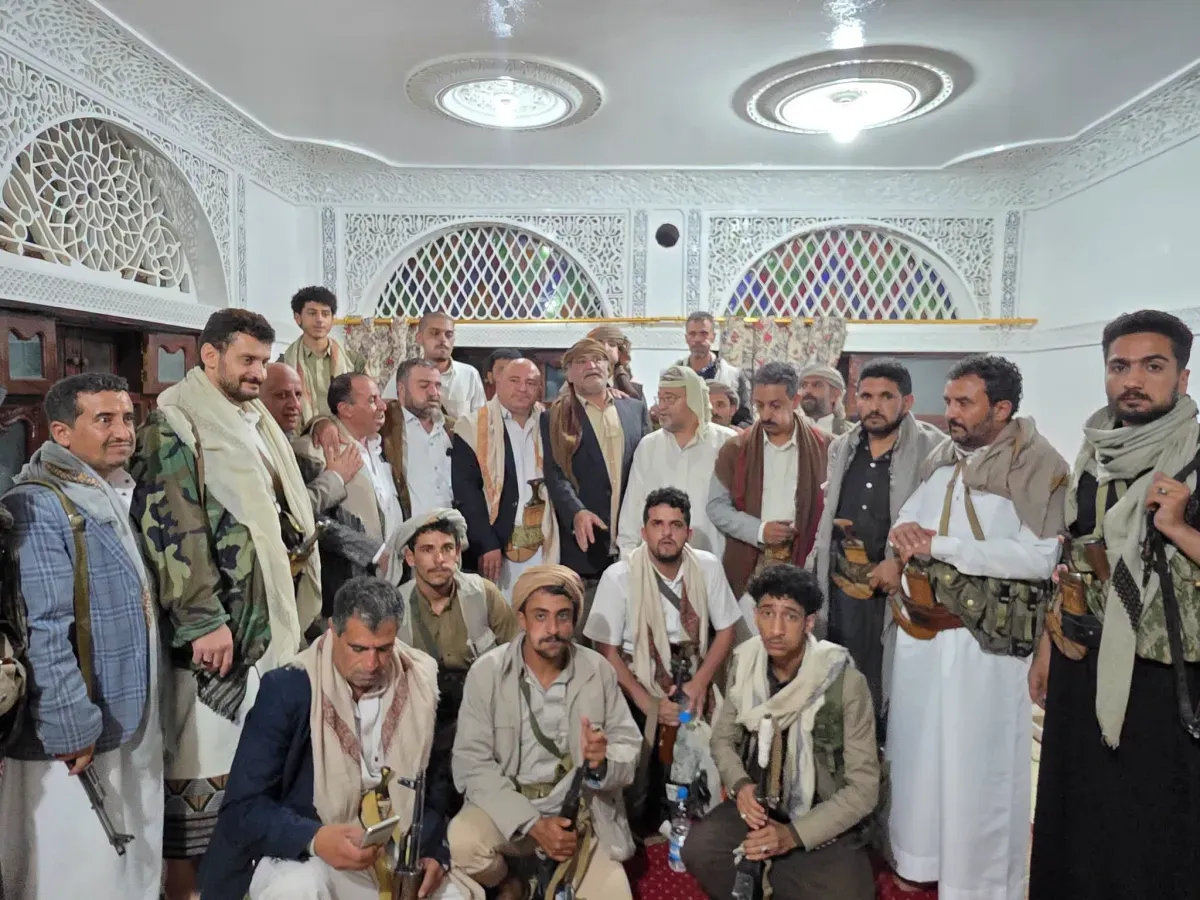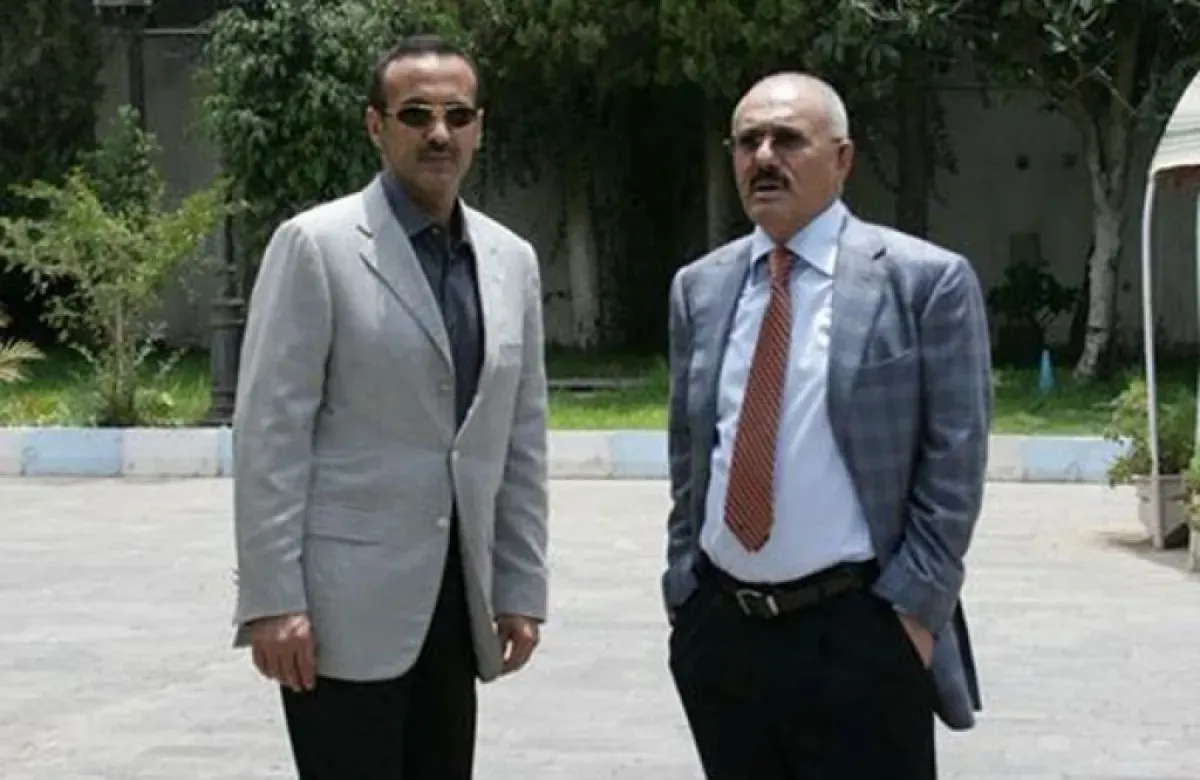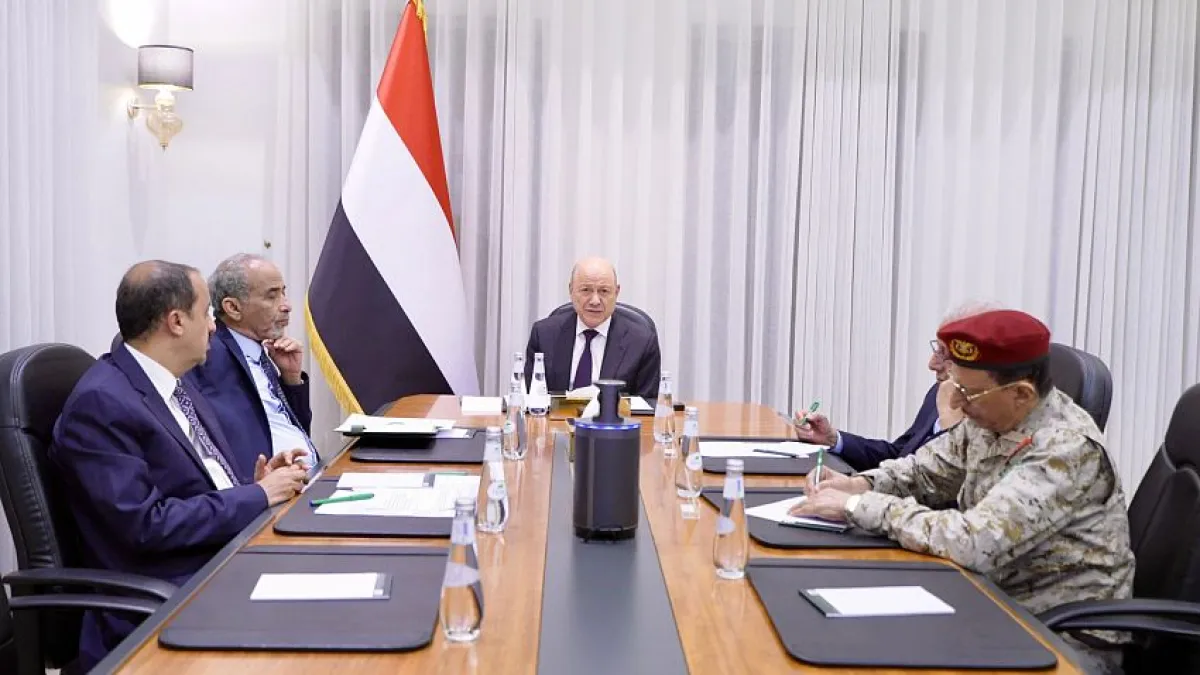



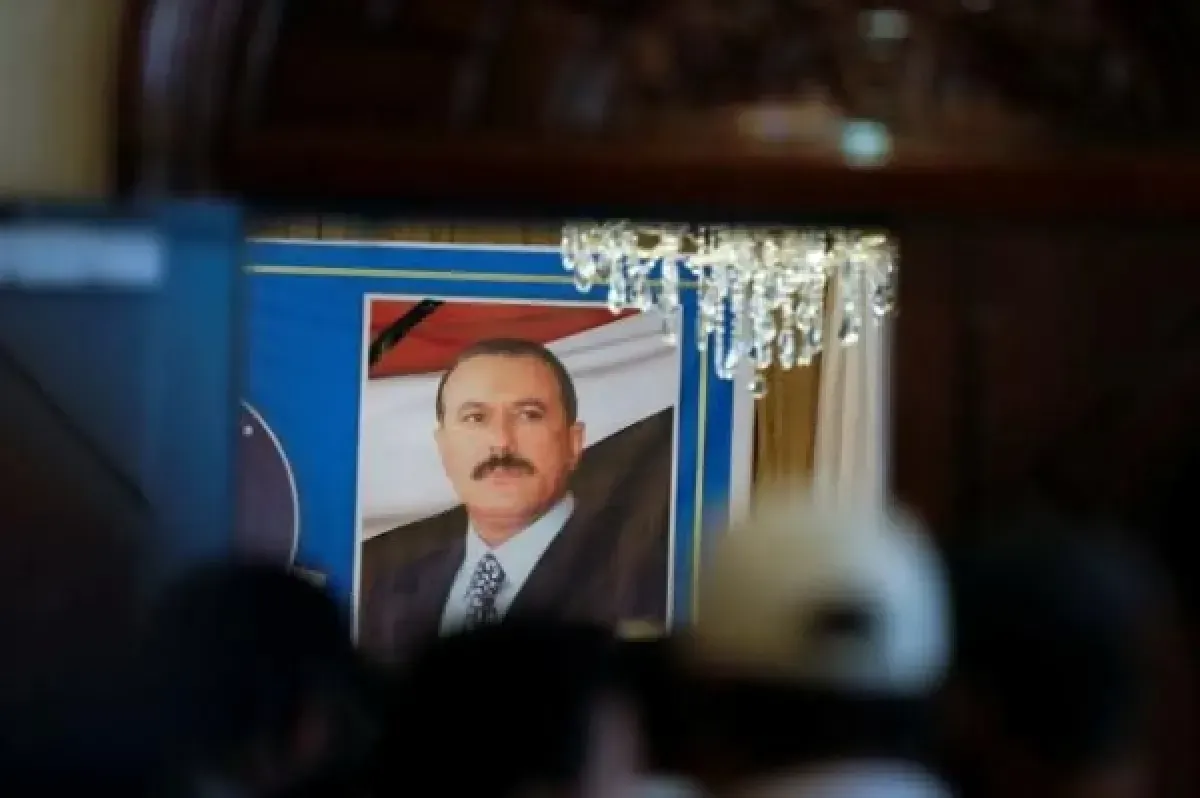
In contemporary Yemen, a nation grappling with profound political and social fragmentation, a critical re-evaluation of the intricate relationship between tribal structures and state governance has become imperative. This introspection is particularly focused on the legacy of former President Ali Abdullah Saleh and his unique approach to managing tribal dynamics. The prevailing sentiment across Yemen's mountainous terrain and valleys suggests a deep-seated longing for Saleh's leadership, particularly among tribal communities. He is remembered as a figure who adeptly managed tribal affiliations, ensuring their cohesion and preventing their fragmentation. Saleh's engagement with Yemeni tribes transcended mere political alliances or transient power plays. It represented a sophisticated socio-political strategy, meticulously crafted by a leader deeply rooted in the land, intimately familiar with its customs, and possessing an encyclopedic knowledge of its tribal leaders and elders. He governed the tribes with the acumen of a seasoned statesman, recognizing that any attempt to dismantle these ancient structures would inevitably lead to the collapse of the entire societal edifice. Rather than suppress tribal pride, Saleh focused on their gradual integration and modernization, extending opportunities through education, military academies, and diplomatic services. Tribal sheikhs transitioned from battlefield commanders to parliamentary figures, and customary law became a supplementary pillar of state law, mediating conflicts and preserving peace within a delicate equilibrium. Saleh distinguished himself as a preeminent mediator in Yemeni reconciliation efforts, leveraging his charisma to disarm adversaries and foster respect for state authority and customary practices. He personally intervened to de-escalate hundreds of tribal disputes and long-standing blood feuds that threatened to engulf regions like Marib, Jawf, Shabwa, Amran, and Sana'a. He consistently utilized state resources to ensure equitable resolutions, allowing parties to depart with their dignity intact, thereby reinforcing the principle that the honor of tribal leaders and communities was intrinsically linked to the honor of the state. In stark contrast to this institutionalized approach, Yemen currently endures the Houthi coup, driven by an alien, sectarian ideology that perceives tribes as historical adversaries to be subjugated and stripped of their autonomy. The Houthi militia has systematically dismantled the tribal fabric, demolishing homes, disrespecting elders, and replacing authentic sheikhs with loyalists beholden to their sectarian hierarchy. Tribes are now reduced to a mere human reservoir, their youth conscripted into futile conflicts, a stark departure from the era of partnership and respect under Saleh. The disparity between past and present is a somber testament to a nation's decline. While the state once nurtured social stability and employed customary law for peace, the current militia actively exacerbates old feuds and sows discord, employing a brutal divide-and-conquer strategy. This strategy thrives on a fractured and weakened society, making it susceptible to manipulation and control. Evidence unequivocally demonstrates that the Yemeni tribes are currently deprived of the warm political embrace and the astute leadership that once met defiance with inclusion, error with forgiveness, and status with recognition. They miss Saleh not merely as a deceased individual but as a symbol of stability and republicanism, a national umbrella that protected customs and the homeland. Nevertheless, this period of hardship and severe trial contains the seeds of awakening. The resilient Yemeni tribes, inherently proud, free-spirited, and loyal to their republic, may bend under the storm but will never perish or accept subjugation. They will continue to await a pivotal historical moment to rise, reclaim their identity, avenge their violated customs, and rebuild a state of institutions that once served as their bedrock and their unyielding shield. |