


Taiz Aid Funds Diverted to Superficial Projects Amidst Crisis
|
16 hours ago
A-
A+

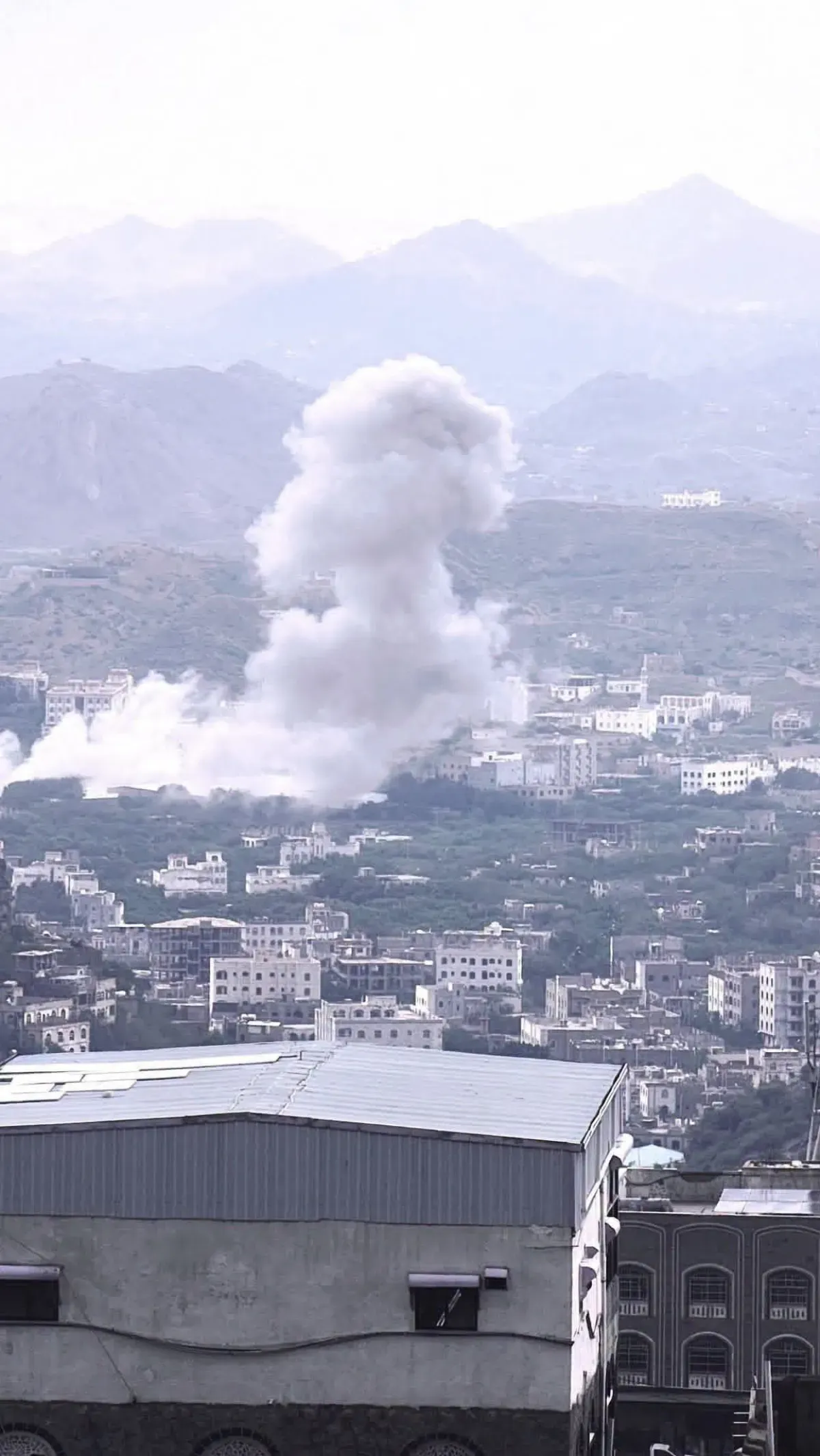
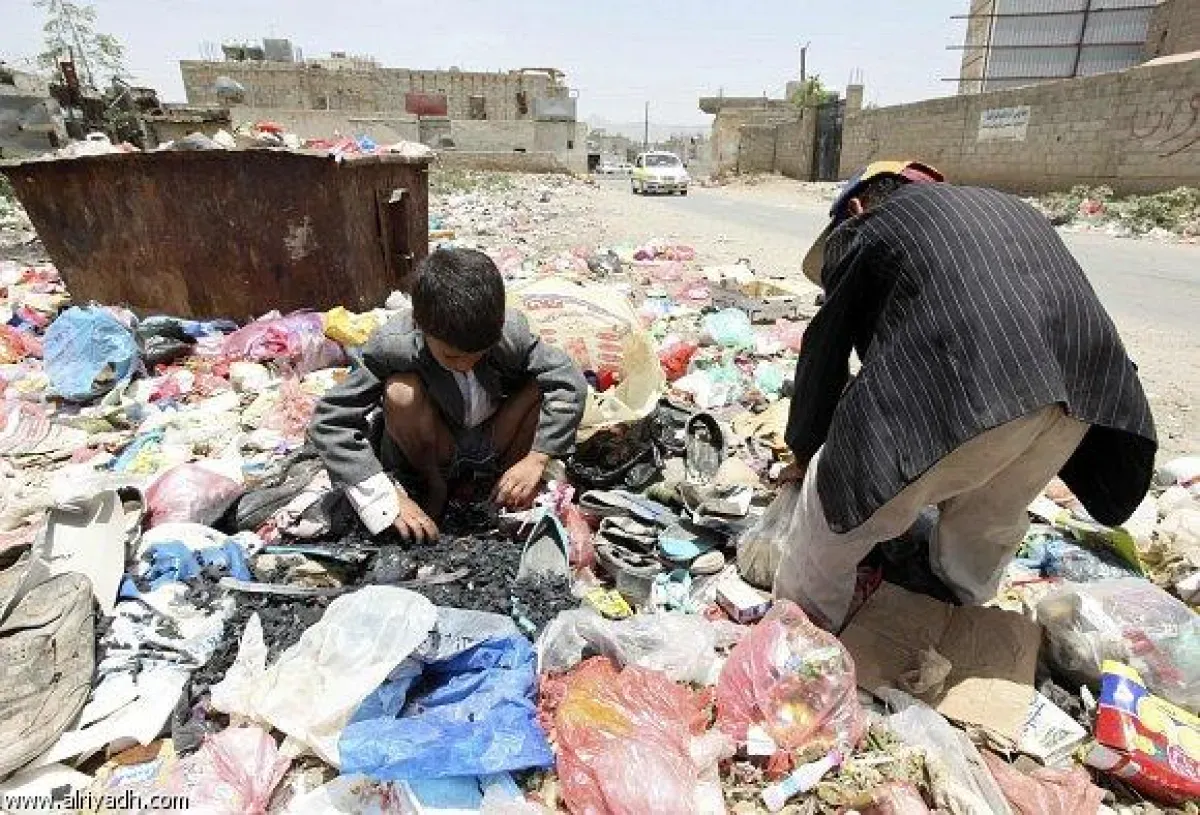
Taiz, Yemen's densely populated cultural capital, faces a stark humanitarian paradox: hundreds of millions of dollars in aid flowing through international organizations are failing to address the city's escalating crisis in essential services, health, education, and development. Local civil society groups, partnering with international bodies, are under scrutiny as residents and activists perceive aid interventions as superficial projects that do not alleviate the daily struggles caused by systemic issues. A grim reality unfolds in Taiz's streets, revealing infrastructure damage too extensive for temporary relief projects to repair. The city grapples with a severe water crisis, exacerbated by the conflict, forcing residents to spend significant amounts on water via traditional tankers. The local water corporation is unable to maintain networks or repair wells. This service paralysis extends to sanitation and waste management, turning neighborhoods into breeding grounds for diseases like dengue fever, cholera, and malaria. These environmental challenges place immense pressure on an already crippled health sector, with public hospitals lacking beds, essential medicines, and supplies. They rely heavily on intermittent external support for critical services like dialysis and emergency departments, a support that is perpetually at risk of discontinuation. The education sector is equally devastated. Public schools in Taiz suffer from alarming overcrowding, with dozens of students crammed into dilapidated, undersupplied classrooms. Some schools remain partially or fully destroyed from shelling. The delayed salaries and poor living conditions of teachers pose a significant threat to the entire educational process, prompting many skilled educators to abandon the profession. Meanwhile, organizations offer marginal interventions such as distributing school bags or conducting hygiene awareness workshops, efforts that lose their value when students lack safe schools, textbooks, or emotionally and financially stable teachers. A significant gap lies in the nature of projects undertaken by local organizations with international funding. Observers note an excessive focus on governance, capacity building, arts, and workshops held in luxurious, air-conditioned venues. These activities consume substantial budgets, with the majority allocated to salaries, travel allowances for experts and coordinators, and office and vehicle rentals, leaving minimal resources for the intended beneficiaries. Ordinary citizens in Taiz view administrative skills training or peace dialogue sessions as irrelevant when they do not provide sustainable employment, basic necessities like food, or repair the damaged roads they navigate daily under siege, fostering growing frustration with the efficacy of current humanitarian efforts. The core issue stems from the international funding philosophy for Yemen, and Taiz specifically, where donors continue to approach the crisis with a long-term emergency relief mindset, neglecting the essential transition to development funding. Temporary food and cash assistance, coupled with short timelines, foster dependency and their positive impact dissipates quickly, often within a few months. Humanitarian plans in Taiz lack strategies for supporting local production, rehabilitating small factories, aiding farmers, or providing accessible loans for income sustainability among poor families. This developmental deficit contributes to rising poverty and unemployment, making the community reliant on meager external aid. The local community in Taiz urgently questions the oversight and accountability mechanisms governing these institutions and organizations. Unofficial reports and testimonies from human rights activists suggest complex networks of interest among some local organization officials and international donor representatives. This allegedly facilitates the approval of non-priority projects and inflated operational budgets, with a near-complete lack of transparency in project financial statements. Local communities and authorities are not effectively involved in accurately identifying needs; instead, projects are imposed based on ready-made agendas from international regional offices, disregarding the specific needs of the besieged and service-depleted city of Taiz. Amidst this bleak scenario, academics, human rights advocates, and media professionals in Taiz are increasingly calling for a comprehensive review of how civil society organizations operate and manage international funding. The current situation necessitates strict community and official oversight of every dollar entering the governorate in the name of humanitarian work. Organizations must be compelled to direct funds toward capital and development projects with sustainable impact. Redirecting funds from symbolic projects to rebuilding schools, equipping public hospitals with solar power and modern equipment, and maintaining water and sanitation networks is the only path to creating a tangible difference in citizens' daily lives and preventing Taiz from succumbing to total collapse, where temporary relief measures would then prove ineffective. |