


Restoring State Authority in Sanaa is Key to Lasting Peace in Yemen
|
21 hours ago
A-
A+
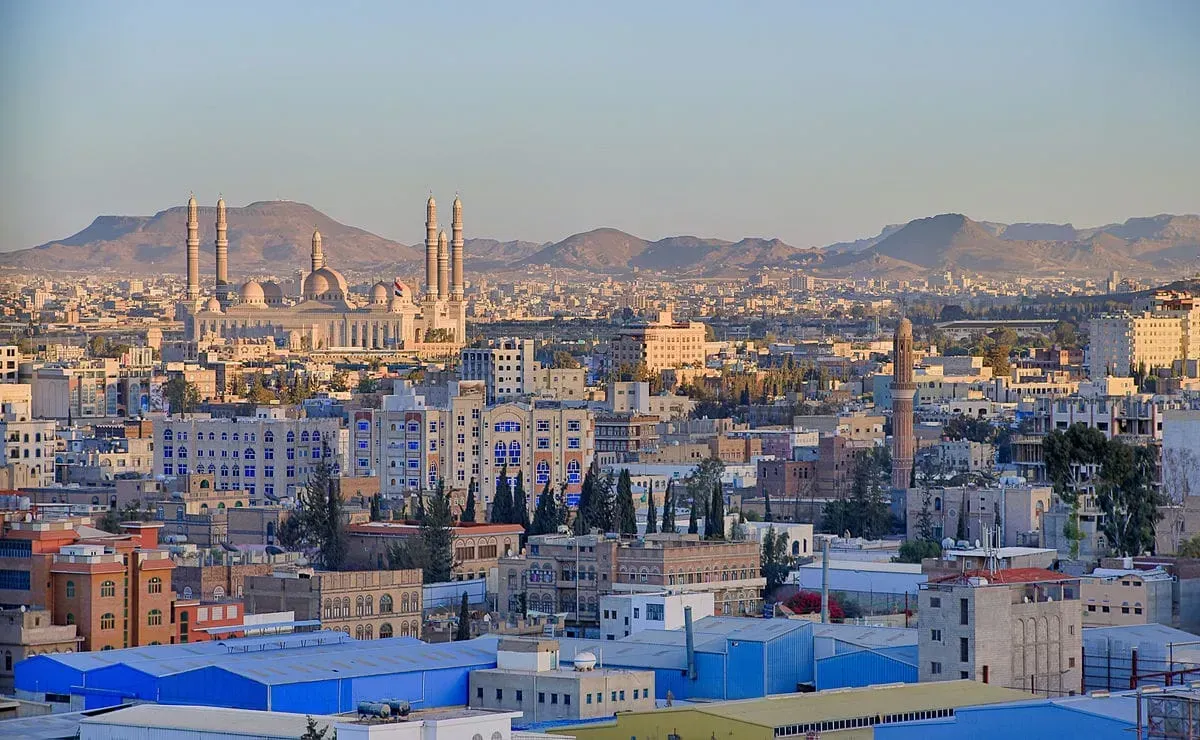
The prolonged conflict in Yemen, stemming from the Houthi militia's coup, renders any discussion of peace illusory as long as the capital, Sanaa, remains outside state control. Past experiences have demonstrated that sustainable peace cannot be imposed through superficial agreements or temporary truces; it fundamentally requires the termination of the Houthi coup and the reclamation of state institutions forcefully seized. Contrary to attempts to promote alternative political pathways, the reality indicates that the Houthi group has consistently treated peace initiatives as mere tools to gain time, regroup, and consolidate its military and economic grip. This approach has been accompanied by ongoing repression, resource plundering, and the erosion of remaining state authority. Consequently, liberating Sanaa is presented as a sovereign imperative that cannot be bypassed, a necessary step to end the war and pave the way for genuine and enduring peace. Observers note that the Houthis have not engaged with peace initiatives as a means to conclude the war, but rather as opportunities to solidify the status quo, undermine state institutions, exploit public resources, impose arbitrary taxation, and perpetrate widespread violations of public freedoms and citizen rights. Political analysts assert that Sanaa's continued occupation by the Houthi militia effectively means the seat of sovereign decision-making remains outside state purview. This hollows out any claims of peace and obstructs the development of national institutions capable of governing the country or addressing the escalating economic and humanitarian crises. Writers and specialists in Yemeni affairs concur that liberating Sanaa and restoring state institutions represent the natural entry point for any sustainable peace process. Such a process would bring an end to the war and open avenues for comprehensive national reconciliation, founded on principles of partnership and justice, rather than dominance and force. These experts point to international experiences where peace has been unattainable when armed groups impose their will by force and reject adherence to the state and law. They consider the end of the coup an essential prerequisite for resolving the conflict, not a subsequent outcome. In this context, Yemeni politicians are urging the international community, led by the United Nations, to reassess its approach to the Yemeni crisis. They advocate for a shift from conflict management to supporting a clear path toward restoring state authority, positing it as the sole guarantor of regional stability, international navigation, and neighborhood security. They warn that continued reliance on partial settlements or agreements that do not address the core of the coup will inevitably lead to new rounds of violence, exacerbate the suffering of Yemenis, and provide the group with more time to deepen its control. Amidst a blocked political horizon and worsening living conditions, the option of restoring state authority and liberating Sanaa emerges as the most pragmatic path to ending the war and building a just and lasting peace. This would return the usurped state to its people, enable reconstruction, re-establish stability, and resolve one of the region's most protracted and complex crises. Analysts conclude that peace in Yemen will not be achieved through ambiguous compromises but through a decisive resolution that reinstates the state and its institutions, ends the coup, and offers Yemen a genuine opportunity to transition to a secure and stable future. |