


Ibb Erupts in Outrage Over Houthi Sectarian Attacks on Islamic Figures
|
3 days ago
A-
A+
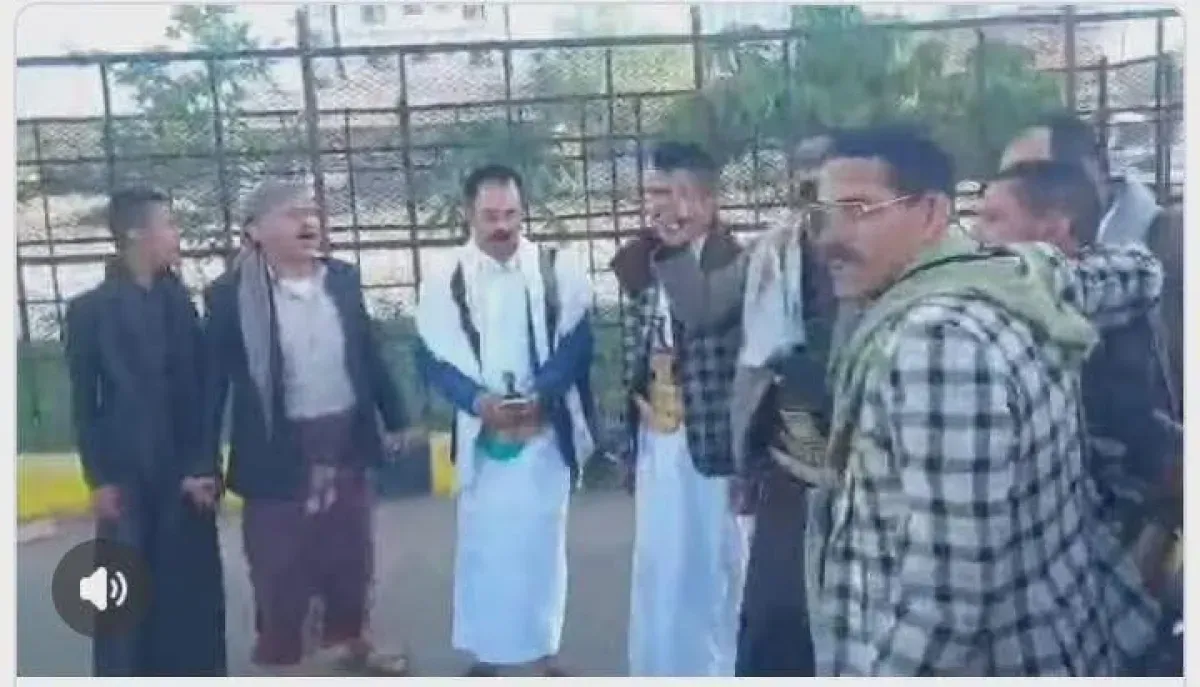
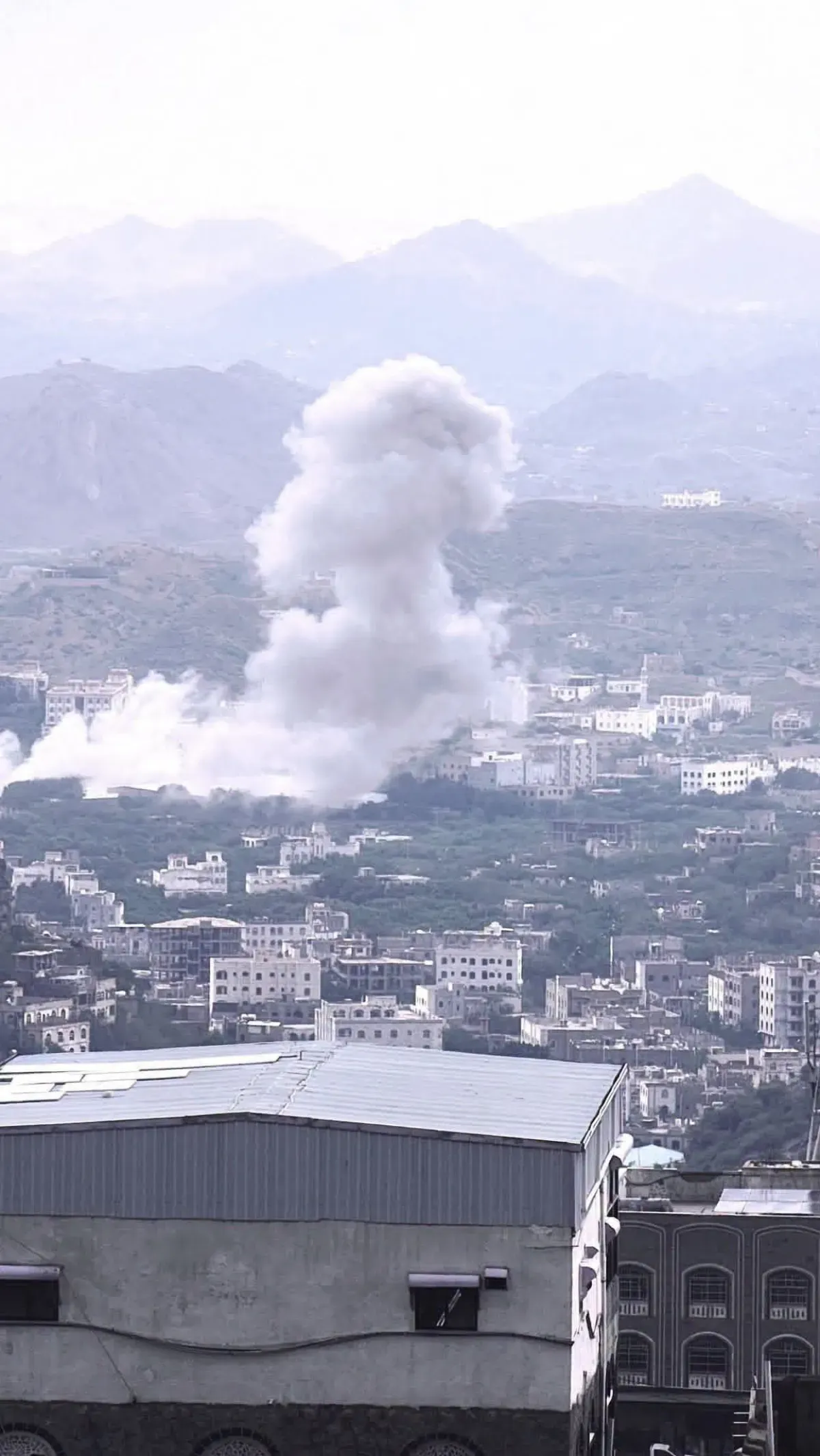
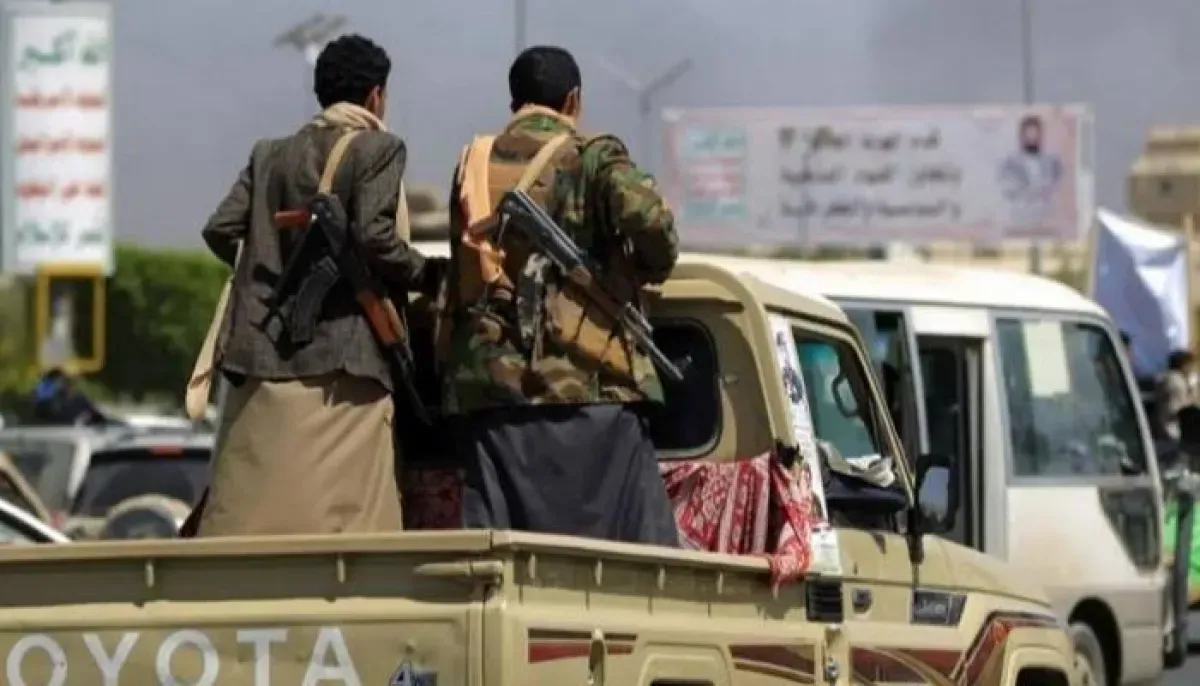
Widespread public anger has swept through the Ibb Governorate following the emergence of extremist sectarian practices that are alien to Yemen's intellectual and social fabric. Recent incidents involving Houthi leaders publicly denigrating companions of the Prophet Muhammad (peace be upon him) have ignited this fury. These rapid developments underscore the widening chasm between the militia's ideological tenets and the unifying national religious identity of the governorate's inhabitants, who have overwhelmingly voiced their rejection of turning their regions into conduits for sectarian venom and attacks on Islam's historical symbols. This situation portends further societal and political escalation in one of Yemen's most populous and culturally vibrant provinces. The catalyst for the protests was a widely circulated video documenting several Houthi-affiliated administrative officials and social supervisors in Ibb chanting derogatory slogans and uttering offensive insults directly targeting the Prophet's companions, particularly those present at the Saqifah Bani Sa'idah following the Prophet's passing. This unprecedented audacity towards fundamental beliefs and a transgression of long-respected societal boundaries deeply shocked the local public. Citizens shared the video as damning evidence of indoctrination efforts aimed at undermining civil peace and coexistence. The gravity of the incident was exacerbated by the official positions of those involved. Concurrent reports identified the Director of the Public Health and Population Office in Ibb, Najib Al-Kamil, as leading these groups, accompanied by the Houthi social official in the Dhi Sufal district, Ahmed Haza'a Al-Nu'ah, along with other militia employees and supervisors. The danger lies in these individuals representing the de facto authority's official and executive front, controlling service and health institutions meant to serve the public impartially. This indicates the deep penetration of exclusionary sectarian ideology into the state's administrative apparatus, which is being exploited for narrow partisan agendas. Analytical readings of the situation in Ibb suggest this incident was not random but part of ongoing mobilization and intensive sectarian gatherings forcibly imposed by the militia on employees and citizens during their observance of "Wilayah Day." The militia exploits these occasions to disseminate inflammatory rhetoric, promote extremist sectarian views, and distribute indoctrination materials that target Yemen's original cultural and social structure. Medical, educational, and administrative staff are compelled to attend sessions denigrating Islamic figures and dividing society along lineage, class, and sectarian lines, thereby fostering an environment of continuous tension and intellectual-social conflict. Public and civil reactions have strongly condemned these irresponsible actions and statements. Elders, dignitaries, media professionals, activists, human rights advocates, and social media users from Ibb have issued statements considering this behavior a blatant moral decline and a deliberate provocation that strikes at the core of Yemen's religious constants and its national and Arab identity. They emphasized that Ibb has historically been known for its moderation, tolerance, fraternity, and avoidance of extremism. They warned that such alien practices aim to tear apart the social fabric and ignite internal strife to maintain control through manufactured ideological and societal animosities, distracting people from their daily economic hardships. The incident received extensive media coverage from local outlets, news agencies, and Yemeni satellite channels, which dedicated significant airtime to documenting public reactions and the growing wave of popular discontent. Outlets like Khaba News Agency and Yemen Al-Youm channel followed the ramifications of the video's spread, analyzing its political, social, and religious implications. Media coverage highlighted the profound gap between the militia's authority and the populace, noting the militia's failure to provide basic services like water, electricity, and salaries while expending considerable effort and funds on sectarian events that provoke citizens' beliefs and create deep rifts in centuries-old social cohesion. Observers and analysts of Yemeni affairs warn of the catastrophic consequences of sectarian incitement and continued attacks on Islamic sanctities and unifying symbols. Experts believe that the Houthi leadership's insistence on publicly cursing the companions and forcibly imposing these ideas through administrative and professional coercion in government and educational facilities in Ibb and elsewhere will inevitably erode the remaining foundations of civil peace. This could generate deep societal hatred extending for an entire generation, transforming the conflict into a profound, existential religious struggle that affects conscience, belief, and human dignity. Confronting these behaviors is therefore a responsibility for all intellectual and social components of the country to protect the future and safeguard coming generations from sliding into destructive sectarian conflicts. |