


Yemen: A Nation Plunged into Humanitarian Catastrophe Amidst Economic Collapse and Repression
|
4 hours ago
A-
A+
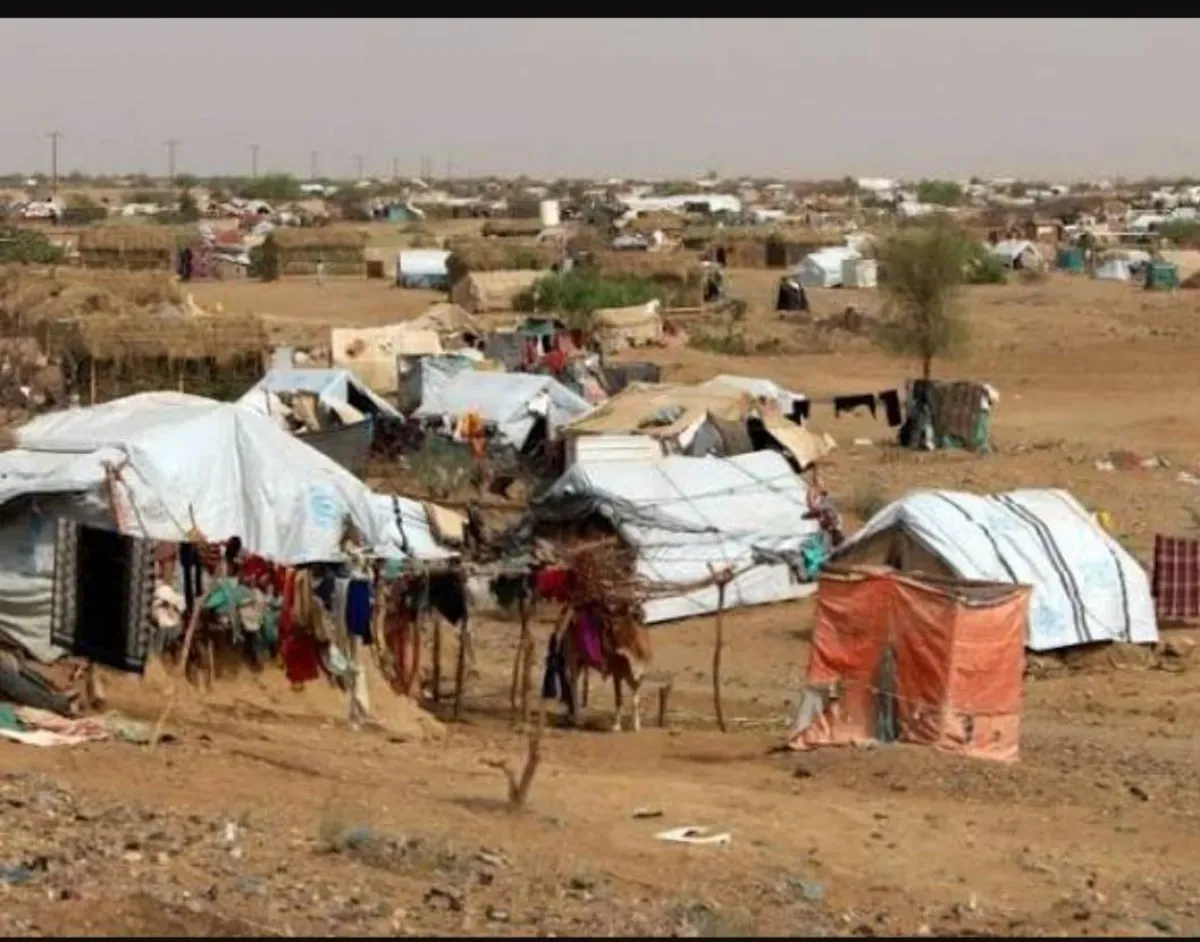
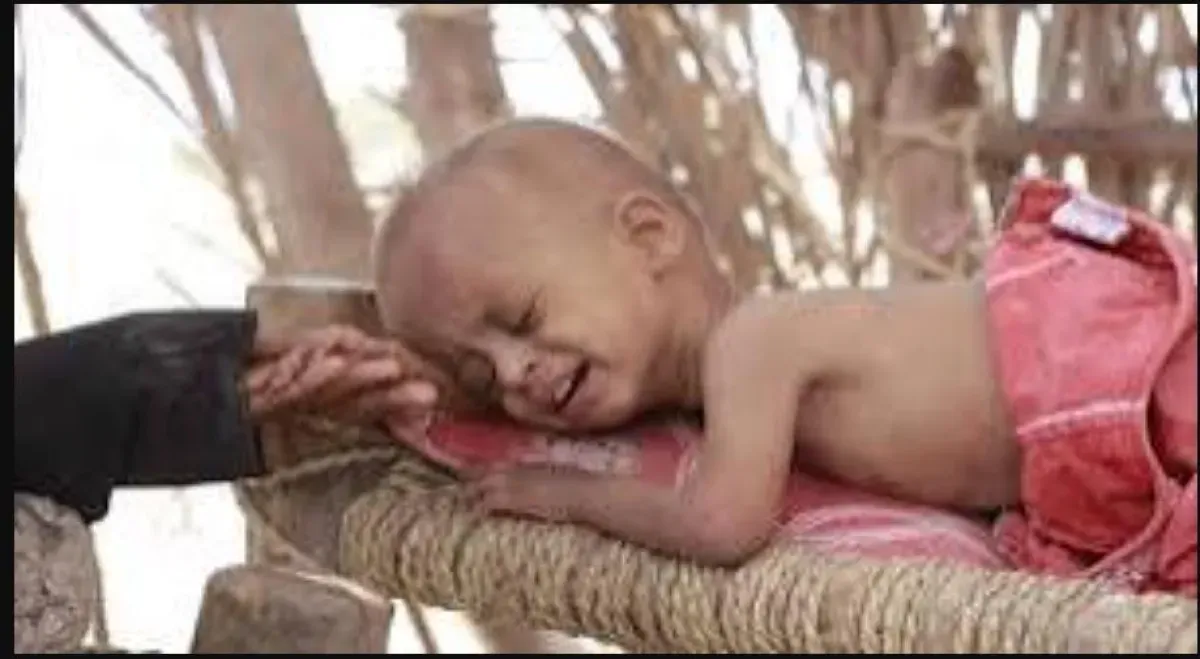
Yemen faces an escalating humanitarian crisis, characterized by widespread deprivation, systemic oppression, and a rapidly deteriorating socio-economic landscape. Millions of citizens endure continuous hardship across all facets of daily life, with critical infrastructure in ruins and essential services virtually nonexistent. The nation grapples with alarming poverty rates, rampant epidemics, and a severe erosion of public rights and freedoms, painting a grim picture of a country struggling for survival against fragmentation, systematic ignorance, and extreme poverty. Global food security indicators place Yemen at the forefront of nations most affected by hunger, where daily survival is a paramount concern for families unable to cope with skyrocketing prices of essential food items. According to the UN Office for the Coordination of Humanitarian Affairs (OCHA), approximately 22.3 million Yemenis, over two-thirds of the population, require urgent humanitarian aid and protection services. Of this staggering number, nearly 18.3 million face acute food insecurity, with over 41,000 individuals nearing the catastrophic fifth level of the Integrated Food Security Phase Classification (IPC), indicating actual famine. The majority of those in critical need are concentrated in areas controlled by the Houthi militia, due to restrictions on trade and aid movement. The situation is further exacerbated by declining international funding for humanitarian response plans. The meager funding received has failed to address the minimum requirements of the crisis, leaving millions of children and women vulnerable to starvation. Field reports confirm deaths due to severe malnutrition in displacement camps across Hajjah, Marib, and other governorates. Economic collapse and currency devaluation have rendered poverty a pervasive, inescapable reality for Yemenis. The banking sector's fragmentation and the dramatic depreciation of the Yemeni Riyal have crippled citizens' capabilities. The United Nations Development Programme (UNDP) reports that approximately 82.7% of the population lives below the multidimensional poverty line, signifying a lack of income, education, healthcare, and essential services for the vast majority. The historical decline of the Yemeni Riyal in government-controlled areas, where the US dollar exchange rate has reached unprecedented levels, has widened the chasm between meager wages and the cost of living. This is compounded by the prolonged absence of salaries for hundreds of thousands of public sector employees for years, leading to the complete disappearance of the middle class and the inclusion of millions of new families into the ranks of the destitute, wholly reliant on meager remittances or scarce aid. The healthcare sector is in a state of paralysis, with over half of medical facilities and hospitals non-operational due to direct damage, insufficient budgets, or a lack of essential supplies and energy. This humanitarian deficit results in over 67% of the population being denied basic medical care, allowing the resurgence of deadly diseases and epidemics previously eradicated, such as cholera, diphtheria, measles, and polio. Reports from the United Nations Population Fund (UNFPA) indicate that the ongoing conflict and service collapse have led to a terrifying increase in maternal and neonatal mortality rates. Approximately 1.3 million pregnant and lactating women suffer from severe malnutrition, threatening their lives and those of their children, while maternity and child hospitals struggle to provide services due to power outages and the collapse of the healthcare system. The education system is undergoing widespread destruction, threatening to produce a generation steeped in ignorance and illiteracy. Estimates suggest that hundreds of schools and educational facilities have been completely or partially destroyed, or repurposed as military barracks and displacement shelters. According to local and international statistics for 2026, over two million children are out of school, a number projected to rise as families struggle to afford educational supplies, forcing children into precarious labor markets to aid their families' survival. This tragedy is amplified in Houthi-controlled areas, where curricula have been drastically altered, replacing scientific and educational content with sectarian ideologies that incite violence and hatred. Concurrently, teachers are deprived of their salaries and rights, compelling thousands to abandon teaching for alternative professions that provide a basic livelihood. Developmental and service infrastructure has ground to a halt, plunging cities and villages into darkness due to persistent government electricity outages and the prohibitive cost of alternative energy sources. The crisis of safe drinking water represents one of the most severe developmental disasters, with over 18 million Yemenis lacking access to safe water and sanitation networks. This forces women and children to travel long distances daily for limited, often contaminated, water supplies. Climate change and devastating floods in several governorates have further damaged mountainous roads and vital bridges, isolating entire regions and hindering the delivery of food and medicine. Reconstruction and development efforts appear entirely absent amidst a lack of funding and governmental disarray. International reports classify Yemen as having one of the world's largest internal displacement crises. The ongoing conflict and deteriorating economic and climatic conditions have forced approximately 4.8 million citizens to abandon their homes and farms, seeking refuge in makeshift camps. These internally displaced persons (IDPs) live in camps lacking the most basic human dignity, with temporary shelters of cloth and straw offering little protection from extreme weather. There is a severe scarcity of food aid and healthcare. Marib Governorate hosts the largest number of these displaced individuals, with hundreds of camps facing immense pressure exceeding their capacity. Displaced families are constantly exposed to environmental and security risks, including landmines and war remnants that surround the camps and claim civilian lives almost daily. The tragic narrative of Yemen is further compounded by a fierce and unprecedented assault on public rights and freedoms, transforming the country into a high-risk environment for journalists, human rights activists, and dissenting voices. In Sana'a and other Houthi-controlled areas, a policy of silencing dissent is enforced through kidnappings, enforced disappearances, and sham political trials that have resulted in death sentences for activists and journalists. Independent newspapers, cultural cafes, and local radio stations have been shut down, and the media landscape has been completely nationalized. This suppression of rights extends beyond the media, imposing strict restrictions on women's movement and personal freedoms, and persecuting workers in international and humanitarian organizations on charges of espionage and collaboration. This has crippled civil society and plunged the country into a state of pervasive fear, terror, and silence, away from the scrutiny of international and local human rights monitoring. These alarming figures and firsthand accounts do not merely depict a transient decline in a developing nation's indicators; they sound a final alarm for the fate of an entire people being slowly annihilated amidst suspicious international silence and a continuous decline in humanitarian funding. Rescuing Yemen from this profound abyss requires more than temporary food aid. The Yemeni populace urgently needs the restoration of state institutions, the unification of the monetary and banking system to save the currency, the lifting of blockades on vital cities and roads, and an end to gross violations of freedoms. These are indispensable foundational steps to halt the ongoing human and developmental hemorrhage that is systematically eradicating the remaining vestiges of life in the "Land of Happiness." |