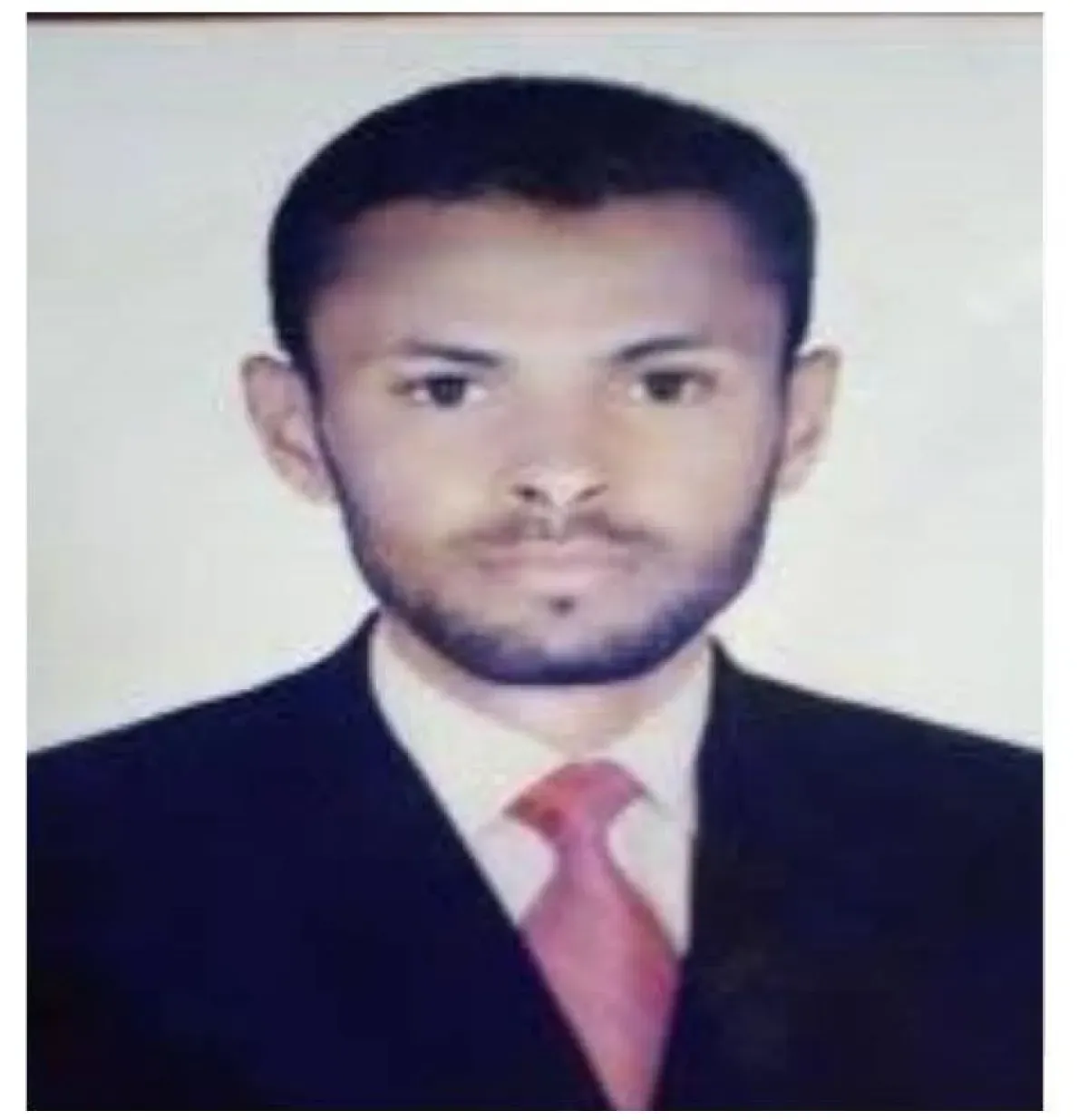



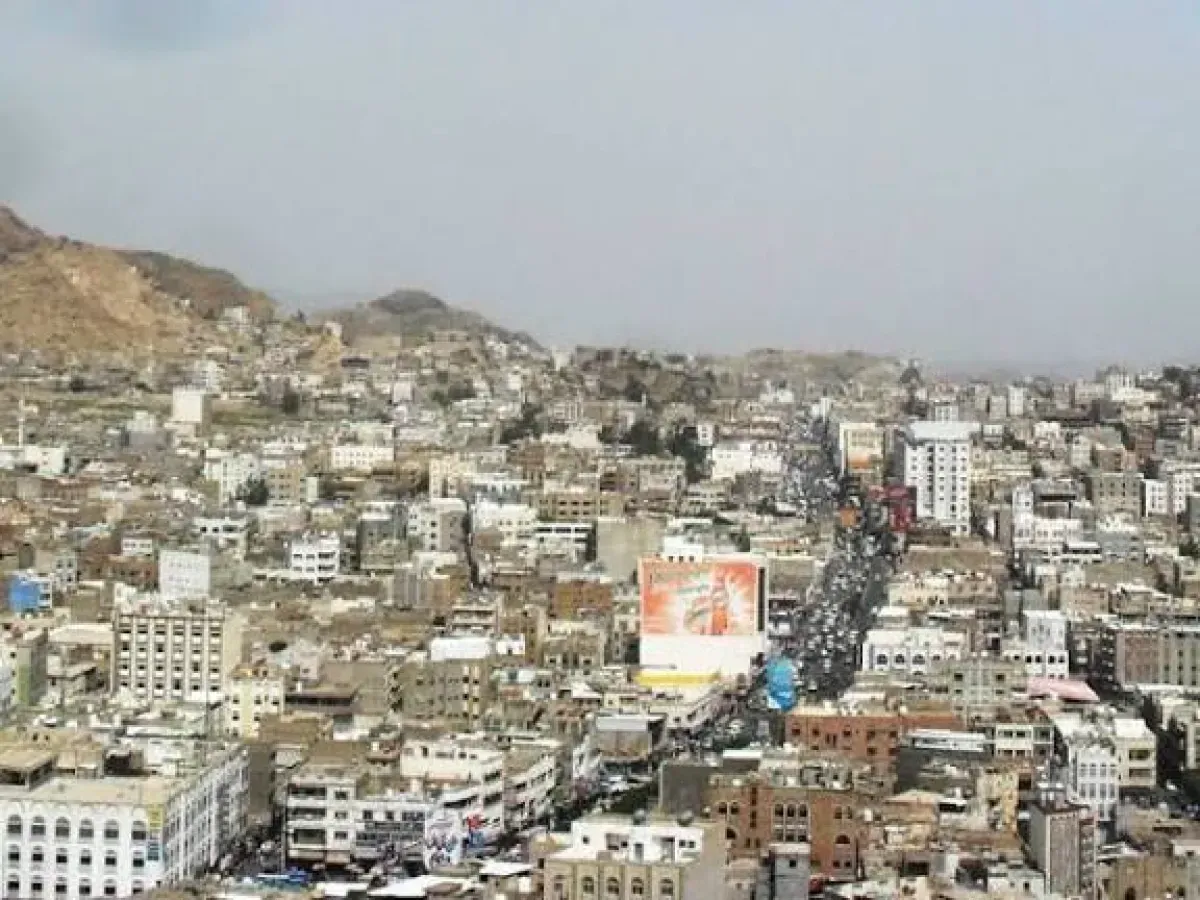
Taiz, Yemen – The city of Taiz is experiencing an unprecedented wave of systematic land appropriation, with public spaces and state property being brazenly encroached upon amidst a lack of legal oversight and weak judicial institutions. This has created an environment where influential figures are imposing a new reality that disregards the city's urban planning regulations. Field observations indicate direct involvement of military and security leaders affiliated with the Islah Party (Yemen's Muslim Brotherhood) in these land seizures, often executed through armed force. These leaders reportedly exploit their military authority and control of territory to facilitate land acquisitions, utilizing military vehicles to protect the seized areas. These lands are then converted into private investment projects, including commercial markets and event halls, generating substantial revenue for partisan agendas rather than state coffers. Human rights activist Maher Al-Kuri described the situation as a "festival of systematic plunder that spares no one," encompassing state lands, public properties, and even private residences. He stated, "It's as if the city has become a giant display list, where military influence dictates who has the right to own." The operations have extended beyond state property to include the assets of citizens and expatriates. Hundreds of cases have been documented where property owners found their land surrounded by military fences, in direct defiance of ownership documents. Al-Kuri further explained the modus operandi: "The scene is clear; we are dealing with gangs that wear official titles and use documents fabricated in closed rooms to legitimize armed robbery. Influential figures have established a tyrannical rule: seize first, then draft the law later, to the point where the victim is now required to prove their innocence of owning their own land." The unchecked expansion of these "land barons" has eroded social cohesion, leading to recurring armed clashes in residential areas that have resulted in civilian casualties. This clandestine alliance between armed power and official seals has made it difficult to reclaim rights through legal channels, fostering a deep distrust between the public and local authorities, whom many perceive as complicit through silence. Al-Kuri warned of the dire consequences, stating, "What is being plundered in Taiz today is not just geographical areas, but the very state whose authority is being incrementally eroded." He noted that transforming public property into seasonal spoils and private property into perpetual conflict zones places citizens in the role of extras in an absurd play titled 'Official Supervision of Plunder,' a dangerous precedent that establishes an era of lawlessness and undermines the values of justice and citizenship." The issue of land appropriation in Taiz remains a ticking time bomb threatening future stability. As the city continues to be carved up into private fiefdoms, the hope lies in broad popular and human rights movements, and international pressure, to halt the depletion of the city's resources and dry up the sources of illicit funding derived from the theft of public and private rights. |