Investigative Report Uncovers Fake Accounts Impersonating Yemeni Opposition to Promote Houthi Propaganda
|
42 minutes ago
A-
A+
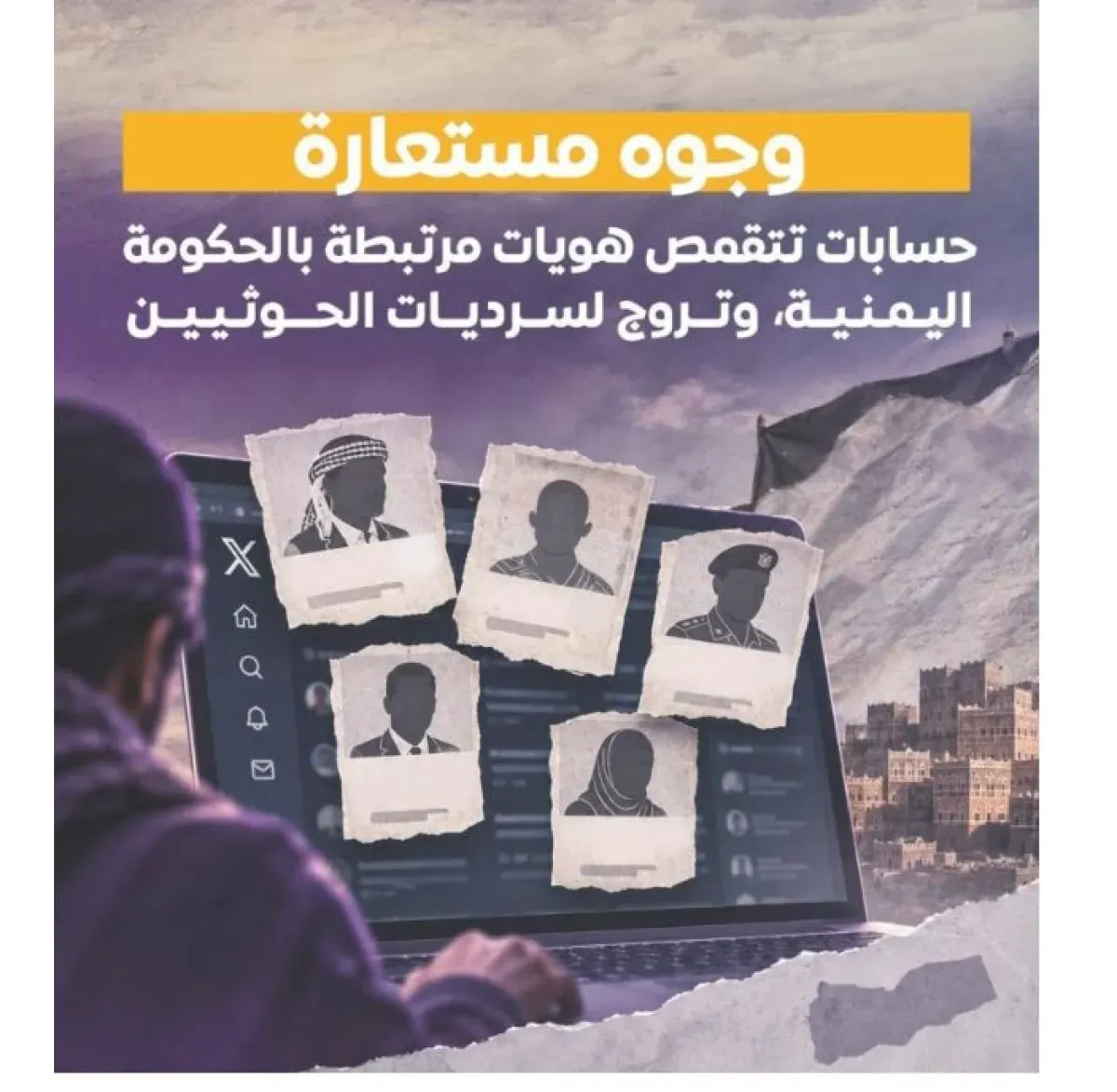
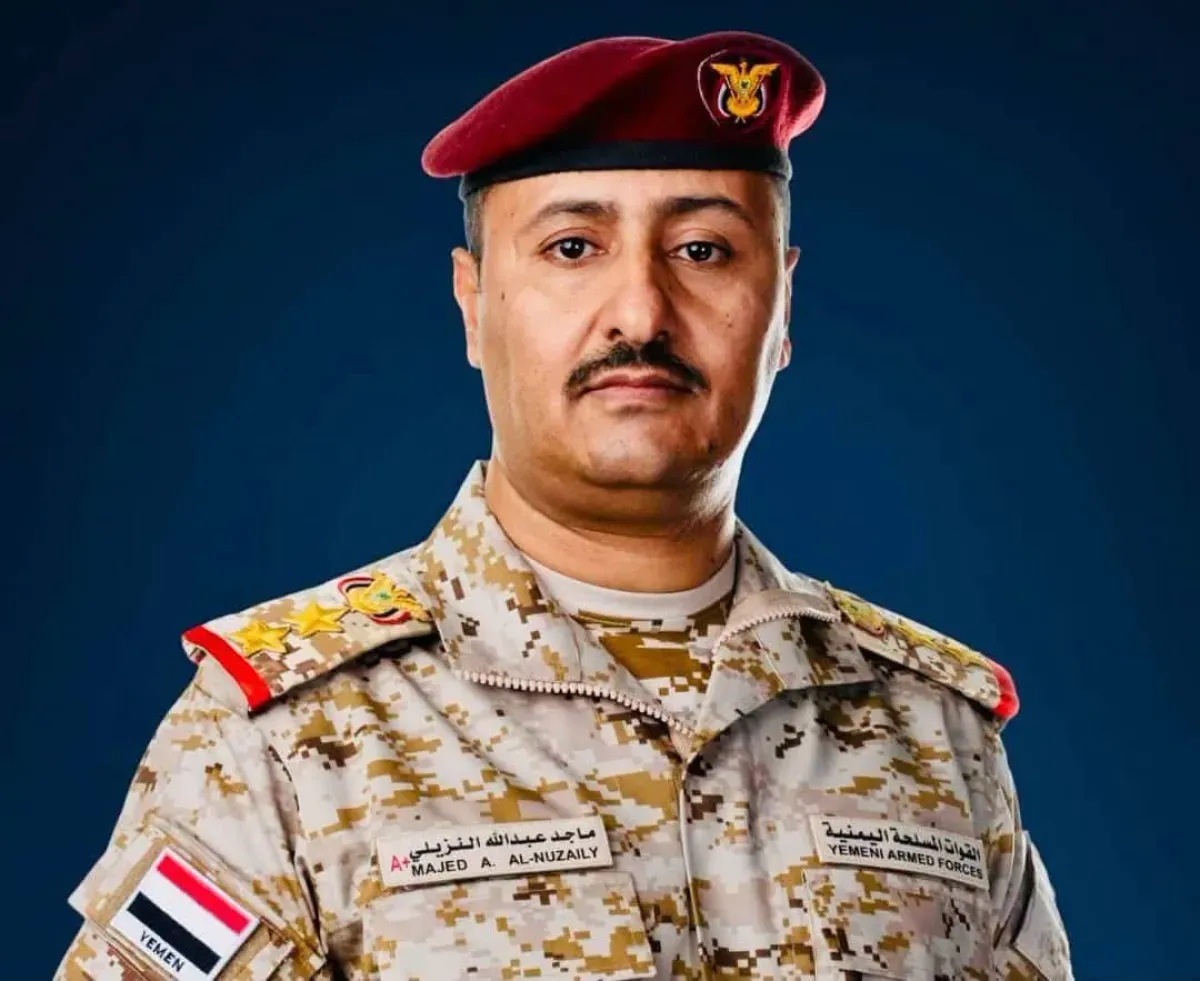
An investigative report has revealed the existence of fake accounts on the platform "X" (formerly Twitter) impersonating Yemeni political, military, religious, and tribal figures. These accounts, posing as supporters of the legitimate government or anti-Houthi forces, are disseminating narratives and positions that align with Houthi propaganda, aiming to undermine trust in the government, army, and opposition groups. The investigation, published by the Yemeni platform "Sadaq" under the title "Masked Faces," examined a sample of 15 accounts on X. It documented cases of impersonation of well-known Yemeni personalities, alongside suspicious accounts whose content contradicts the identities they claim to represent, particularly concerning praise for the Houthis and the promotion of their political and military narratives. Among the documented cases were accounts impersonating the son of former Yemeni President Ibrahim Al-Hamdi, the daughter of former South Yemeni President Ali Salem Al-Beidh, the daughter of former South Yemeni President Abdul Fattah Ismail, as well as preacher Wael Abadi and military leader Major General Yousef Al-Sharaaji. Other accounts impersonated southern, tribal, and military figures. One account on X, using the name and photograph of Nashwan Ibrahim Al-Hamdi, presented itself as his spokesperson, publishing political stances that attacked Saudi Arabia and Yemeni figures while defending the Houthi authority in Sana'a. Al-Hamdi later denied owning any account on the platform, stating that accounts published in his name do not represent him. Some of these posts garnered hundreds of thousands of views and were circulated as genuine statements. The investigation also uncovered an account named "Widad Al-Beidh," presented as a daughter of the late President Ali Salem Al-Beidh. Her posts were promoted by media outlets, but Hani Al-Beidh, a son of the former president, denied the existence of a daughter with that name, confirming the accounts using this identity are fraudulent. Furthermore, an account impersonating Asia Abdul Fattah Ismail, daughter of former South Yemeni President Abdul Fattah Ismail, published pro-Houthi and pro-Houthi military operation stances. She officially denied owning any accounts under her name and warned against circulating content attributed to her. Similarly, accounts impersonating Yemeni preacher Sheikh Wael Abadi used his identity and image to spread political and security news concerning Marib Governorate. Abadi later appeared in video recordings denying ownership of X accounts and disavowing the attributed posts. The documented cases also included an account impersonating Major General Yousef Al-Sharaaji, Deputy Chief of Joint Operations, who published claims of dissent and rebellion within government forces, and news of his resignation and the withdrawal of southern forces from frontlines. Al-Sharaaji denied the accuracy of this information, asserting that accounts using his name and title are fake. The investigation noted that some accounts employ more evasive tactics, using tribal, military, or southern identities while claiming to support the government or the southern cause. Their primary activity involves attacking government forces, questioning their performance, praising Houthi military capabilities, and promoting Houthi rhetoric. These include accounts presenting themselves as citizens from Marib or soldiers in the "National Shield" forces, as well as an account named "Tahani Al-Radfani," identifying as a southern human rights activist and journalist. The investigation revealed this account had previously used the name of southern leader Fadi Baoum, who had warned against impersonation. The report concluded that the most significant threat stems not from openly pro-Houthi propaganda accounts, but from those hiding behind names and figures associated with the group's opponents. These accounts leverage the trust linked to these identities to disseminate misinformation, influence public opinion, and sow divisions within anti-Houthi forces and components. Addressing this pattern of disinformation requires verifying the official accounts of public figures and military leaders, and refraining from treating attributed posts as accurate without confirmation from authorized sources. Additionally, enhancing monitoring and verification capabilities for organized digital campaigns is crucial. |