


Yemen's Education System Crumbles Amidst War and Economic Collapse
|
11 hours ago
A-
A+
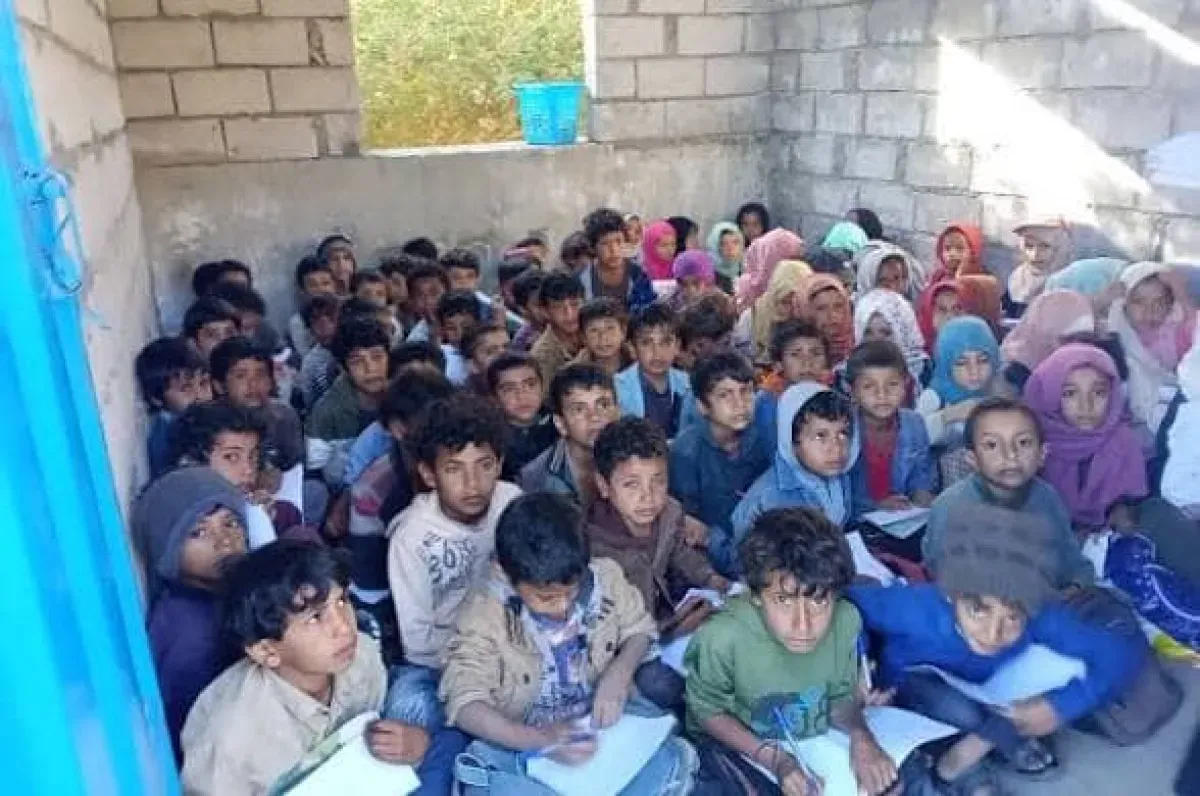
Amidst global celebrations of World Teachers' Day on October 5th, educators in Yemen face a devastated educational system, a casualty of prolonged conflict and severe economic hardship. In a nation fractured by frontlines and living crises, schools have transformed from centers of learning into silent battlegrounds where both staff and students struggle for survival and basic education, with international indicators warning of a comprehensive collapse. The most significant obstacle plaguing the educational process and systematically depleting schools of qualified personnel is the decade-long wage crisis. According to data from UNICEF and partner UN organizations, over 160,000 teachers and educational staff, approximately half of the country's teaching force, have experienced regular salary disruptions since 2016, particularly in areas under Houthi militia control. In regions governed by the internationally recognized government, while salaries are relatively more consistent, the sharp depreciation of the local currency has reduced purchasing power to critical lows. Yemeni Teachers' Unions report that the average teacher's salary has plummeted to roughly $40 USD, insufficient to cover the basic food needs of an average family, compelling hundreds of educators to abandon classrooms for strenuous manual labor or market vending to support their households. The crises affecting educators and the dire economic situation directly impact the future of younger generations. Recent reports from Save the Children indicate that over 4.5 million children in Yemen are currently out of school, representing about one-third of the country's total school-aged children. This alarming rise in dropout rates is fueled by two primary factors: the destruction of infrastructure, with over 3,600 schools damaged, destroyed, or repurposed as shelters for displaced persons or for military use since the war began. Dire poverty and families' inability to afford stationery and supplies have forced children into early labor, increased rates of child marriage for girls, and heightened the risks of military recruitment for minors. The war's damage extends beyond student absenteeism, severely impacting educational quality and threatening the very continuity of the profession. A recent report by the U.S. Agency for International Development (USAID) ranked Yemen as the worst in the Middle East and North Africa region for academic achievement, revealing a vast knowledge gap resulting from curricula reliant on rote learning, a lack of qualified personnel, and inadequate teaching resources. This degradation extends linearly to university education, which supplies new teachers to schools. A staggering statistic reflecting young people's aversion to teaching careers shows a sharp, historic decline in enrollment at Aden University's Faculty of Education, with vital departments like Physics and Chemistry having no new registrants, as young people recognize that teaching no longer offers a dignified livelihood or economic security. Beyond economic and structural crises, the tragedy of education is compounded by the political and institutional division of educational institutions. Yemen's education system now operates with two academic calendars and modified curricula dictated by the political ideologies of controlling factions in both the north and south. This fragmentation has weakened a unified educational identity, turning students' minds into a battleground for influence, thereby threatening to produce generations incapable of coexistence or participation in building a stable and sustainable post-war Yemen. On October 5th, Yemeni teachers will not receive bouquets of flowers or effusive thanks, but rather a lesson plan book in one pocket and the heavy burden of providing for their families' daily needs in their minds. Continued international and local silence regarding this systematic collapse amounts to a slow execution of the country's entire future. International organizations like UNESCO and UNICEF, in their repeated appeals, emphasize that the fundamental solution to saving education lies in completely neutralizing the educational process from conflict and immediately resuming unconditional payment of teachers' salaries. This is presented as an essential first step to rescue what can be saved and protect the minds of millions from ignorance and displacement. |