UNICEF: 128 Children Injured or Killed in Yemen, Half a Million Students Out of School
|
3 hours ago
A-
A+
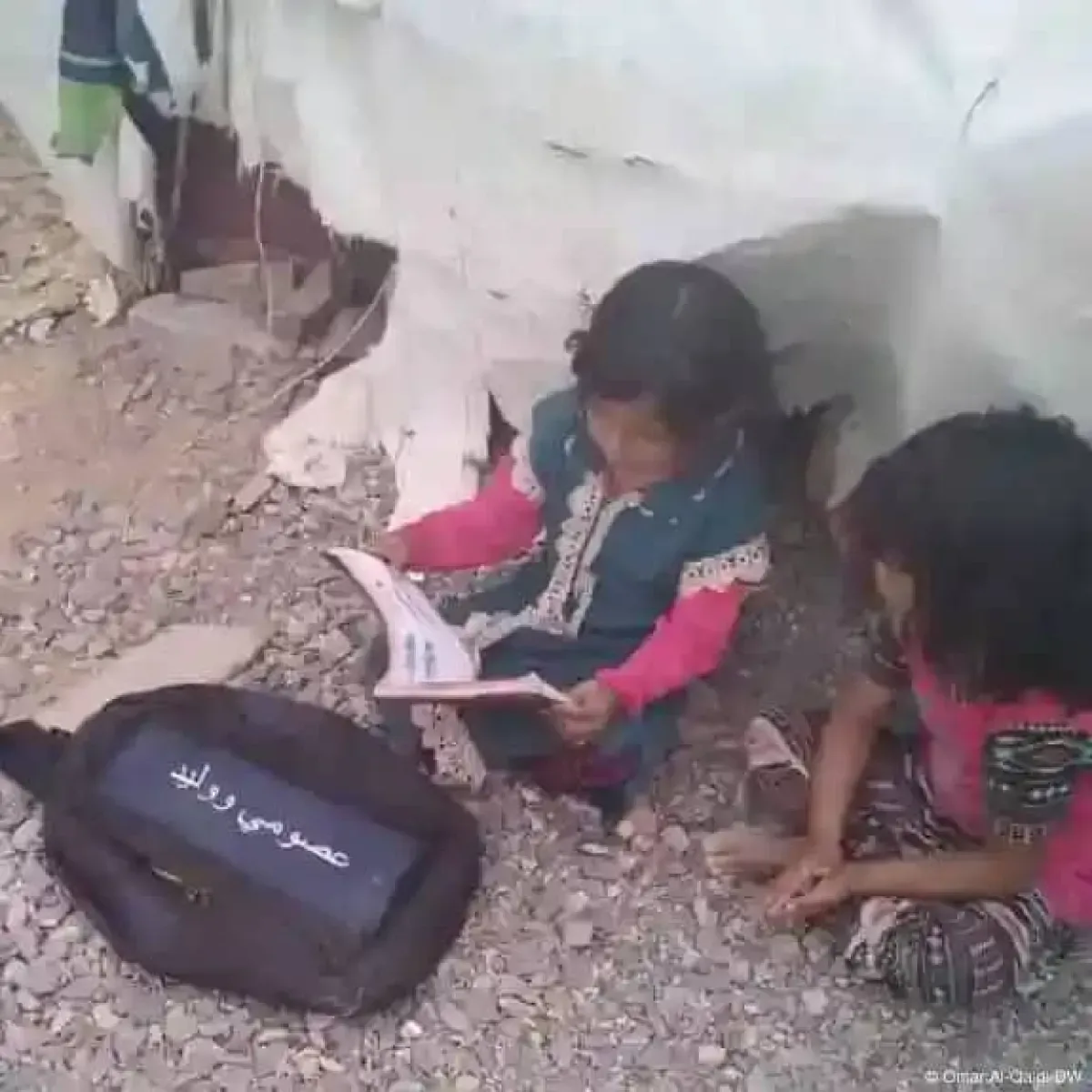
UNICEF has issued a stark warning regarding the escalating dangers faced by children in Yemen amidst renewed clashes between Houthi militants and government forces, reporting at least 64 children killed and 64 others injured since September 3rd. The organization highlighted that ongoing fighting in densely populated areas, particularly in the provinces of Taiz and Lahj, risks a further increase in child casualties, exacerbated by deteriorating essential services, widespread displacement, and the disruption of education. UNICEF Executive Director Catherine Russell described the continued toll of child deaths and injuries as "horrific and must stop," emphasizing that behind each statistic is a child whose life has been lost or whose future has been irrevocably altered. The agency reported that the confrontations have damaged at least seven schools, including five supported by UNICEF, and 28 health facilities. It also noted the deaths of five individuals, three of whom were health workers, during an attack on the Al-Saqia health center in Lahj province on November 2nd. The military escalation has led to the displacement of over 330,000 people, including approximately 174,000 children. Many of these children are living in incomplete or damaged buildings, facing severe difficulties in accessing food, safe drinking water, and healthcare. UNICEF expressed particular concern for the humanitarian situation in Taiz city, where over 800,000 people have been cut off from humanitarian aid. Reports indicate the closure of the main road connecting the city to Aden. Water production in the city has reportedly decreased by nearly half, while food and fuel prices have more than doubled. Shortages of medicine, fuel, medical oxygen, and electricity threaten the continuity of emergency services and the care of mothers and newborns. In the education sector, over 1,160 schools have been closed or had their operations suspended in affected areas, preventing more than half a million students from continuing their education. Mobile teams from UNICEF have also found that one in three children screened are suffering from severe malnutrition. Russell appealed to the parties to the conflict to ensure safe and unimpeded access for humanitarian aid and to uphold their obligations under international law. She stressed the critical need to protect children and guarantee their continued access to healthcare, education, food, and safe water. UNICEF announced an expansion of its emergency interventions to reach 350,000 people, deploying mobile health and nutrition teams to displacement sites and affected communities in Aden, Lahj, Abyan, Marib, and Taiz. The response also includes strengthening water and sanitation services, providing psychosocial support to children, and intensifying child protection efforts, particularly for unaccompanied and separated children. |