


Houthi Crisis in Al Jawf: Tribal Uprising Threatens Houthi Control
|
2 months ago
A-
A+
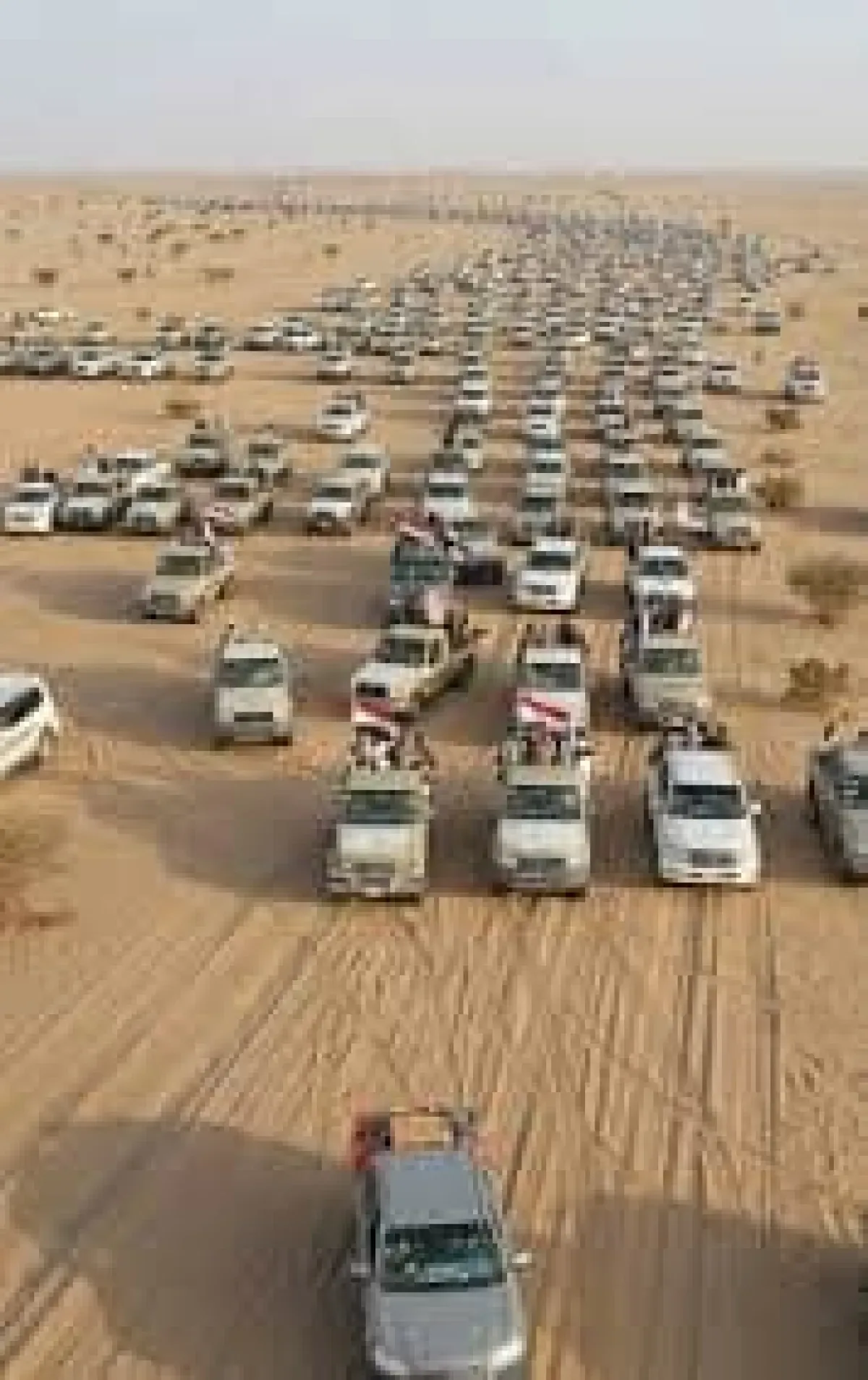
The Houthi militia leadership in Sana'a is mobilizing political, security, and military resources to confront an unprecedented field crisis, posing a graver threat than border fronts or clashes with the Yemeni army and Arab coalition forces. This mobilization stems from escalating tribal gatherings in Al Rayyan plains, Al Jawf Governorate, a response to a tribal call for solidarity. This movement signifies a profound strategic shift in the internal conflict, presenting the militia with its most feared threat in years. Analytical assessments of the situation indicate that the Houthi militia fully comprehends the gravity of this unrest. While their military strength and arsenal allow for maneuvering on open fronts, they are paralyzed by the power of tribal solidarity, which forms the backbone of their geographical and demographic control. This explains the Houthi hysteria and apprehension regarding the repercussions of this tribal call, which strikes at the militia's core and erodes its sources of internal power. The spark for this uprising ignited in the occupied capital, Sana'a, following grave violations by Houthi leaders against a woman who sought refuge with Sheikh Hamad bin Rashid bin Fadgham Al Hazmi. The subsequent humiliating abduction of the Sheikh for several weeks shocked the tribal community, who viewed these actions as a blatant transgression of ancestral customs and a violation of sacred protections for women and tribal dignities in Yemen. Upon his release, Sheikh Al Hazmi returned to his hometown in Al Jawf and declared a general mobilization, the "Nafk of Dignity." Within days, the Al Rayyan desert transformed into a massive tribal encampment, with thousands of fighters armed with light and medium weapons, declaring their absolute rejection of the Houthi policies of systematic humiliation and arrogance against tribal leaders. The Houthi terror extends beyond fears of direct confrontation to the potential for tribal unity. Fighters have converged on the plains from various Yemeni governorates and regions, including tribes surrounding Sana'a, Marib, Shabwah, Hadramaut, Al Bayda, Ibb, and Taiz. This unprecedented and widespread convergence has dismantled the Houthi strategy of fostering inter-tribal feuds and conflicts to weaken them and ensure easier control. The Houthis now face a unified tribal front, transcending traditional political divisions, motivated by honor and land—a strong, voluntary alliance that no official military force has managed to forge over the past decade. The existential dilemma for the Houthi militia lies in the fact that Yemeni tribes, particularly those in Al Jawf and surrounding areas, represent the primary human reservoir and the fundamental pillar that supplies fighters to the fronts through coercion, sectarian mobilization, or exploitation of livelihood crises. The defection of the Dahm tribe and its allies, and their direct and unequivocal rejection of the militia, signifies the drying up of the militia's human lifeline. The Houthi leadership is acutely aware that drones and ballistic missiles become militarily insignificant if they lose the tribal human element capable of holding territory and engaging in attrition warfare on their behalf. The most devastating effect the Houthi militias fear from the success of Al Rayyan plains in imposing its terms and subjugating Houthi supervisors is the contagion of this tribal rebellion to other governorates suffocating under Houthi taxation and levies, such as Amran, Dhamar, Hajjah, Sana'a, Ibb, and Hodeidah. In these areas, the Houthi militias rely on cultivating an aura of absolute power and security brutality to intimidate the population and tribes. Therefore, breaking the militia's prestige in Al Jawf and forcing them to make concessions would dismantle the psychological barrier of fear among other tribal leaders, potentially igniting simultaneous and successive uprisings that could topple the militia's existence within weeks due to suppressed popular discontent. The Houthis find themselves in a position of being unable to use excessive and overt military force, such as bombing tribal gatherings with missiles and drones, despite monitoring reconnaissance movements met with high tribal readiness. Committing any military folly against plains hosting senior Yemeni sheikhs would mean declaring total war against the tribe as a social entity and would compel neutral parties to immediately join the fight. Consequently, the militia has resorted to alternative maneuvers, including dispatching arbitration and tribal mediation committees to offer de-escalation promises, aiming to gain time and dismantle the momentum of the peaceful tribal gatherings before later targeting tribal leaders. Simultaneously, they have cut communication networks and geographically isolated the plains area to prevent the arrival of supplies and supporting tribal delegations, in a desperate attempt to contain the fire before it engulfs their strongholds in Sana'a. |